
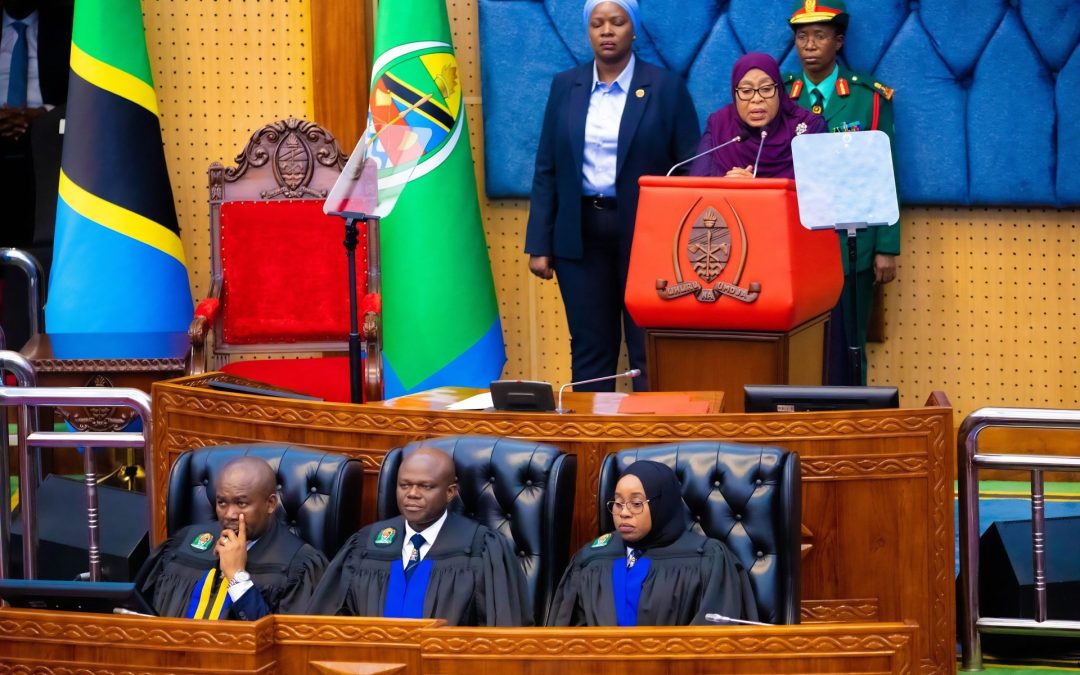
A New Chapter for Tanzania: Unity, Progress, and Human Dignity Take Centre Stage
In a defining address to the newly convened 13th Parliament in Dodoma, President Dr. Samia Suluhu Hassan has charted an ambitious and transformative course for the United Republic of Tanzania. Framed by a profound commitment to national healing, her speech masterfully wove together the core principles of Umoja (Unity), Kazi (Work), and Utu (Human Dignity) into a cohesive 20-point roadmap for the next five years. This new chapter, set against a backdrop of recent political tensions, marks a decisive pivot towards reconciliation and inclusive progress, beginning with a solemn moment of reflection for lives lost and a courageous pledge to establish a Commission for national dialogue.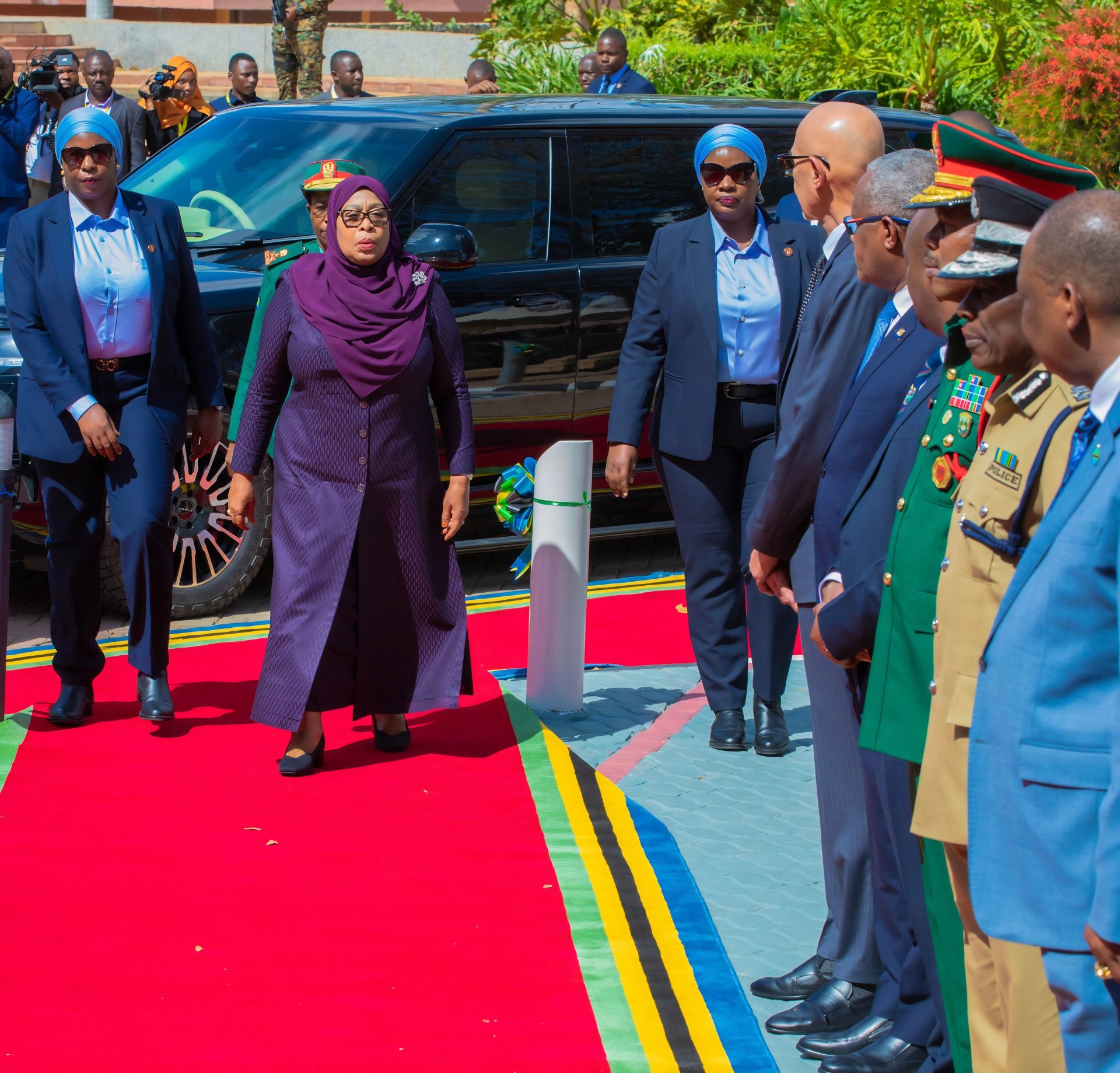
President Samia’s vision, encapsulated in the new national economic philosophy of “Kazi na Utu Tunusonga Mbele” (Work and Dignity We Move Forward), moves beyond traditional metrics of development. It promises a holistic rejuvenation of Tanzania, from revitalising agricultural cash crops and launching an industrialisation drive with parks in every district, to a groundbreaking Universal Health Insurance scheme aimed at ending the indignity of body detention in hospitals. The plan is underpinned by massive infrastructure projects—including the completion of the Standard Gauge Railway and the expansion of Dar es Salaam port—and an energy sector push to double generation capacity. This article provides a comprehensive analysis of every pillar of this bold new agenda, from empowering farmers and miners to transforming education and tourism, all framed by an unwavering focus on good governance and a foreign policy of non-alignment and mutual respect. Discover how Tanzania is building a future where prosperity is measured not just in infrastructure, but in the smile of dignity on the face of every citizen.
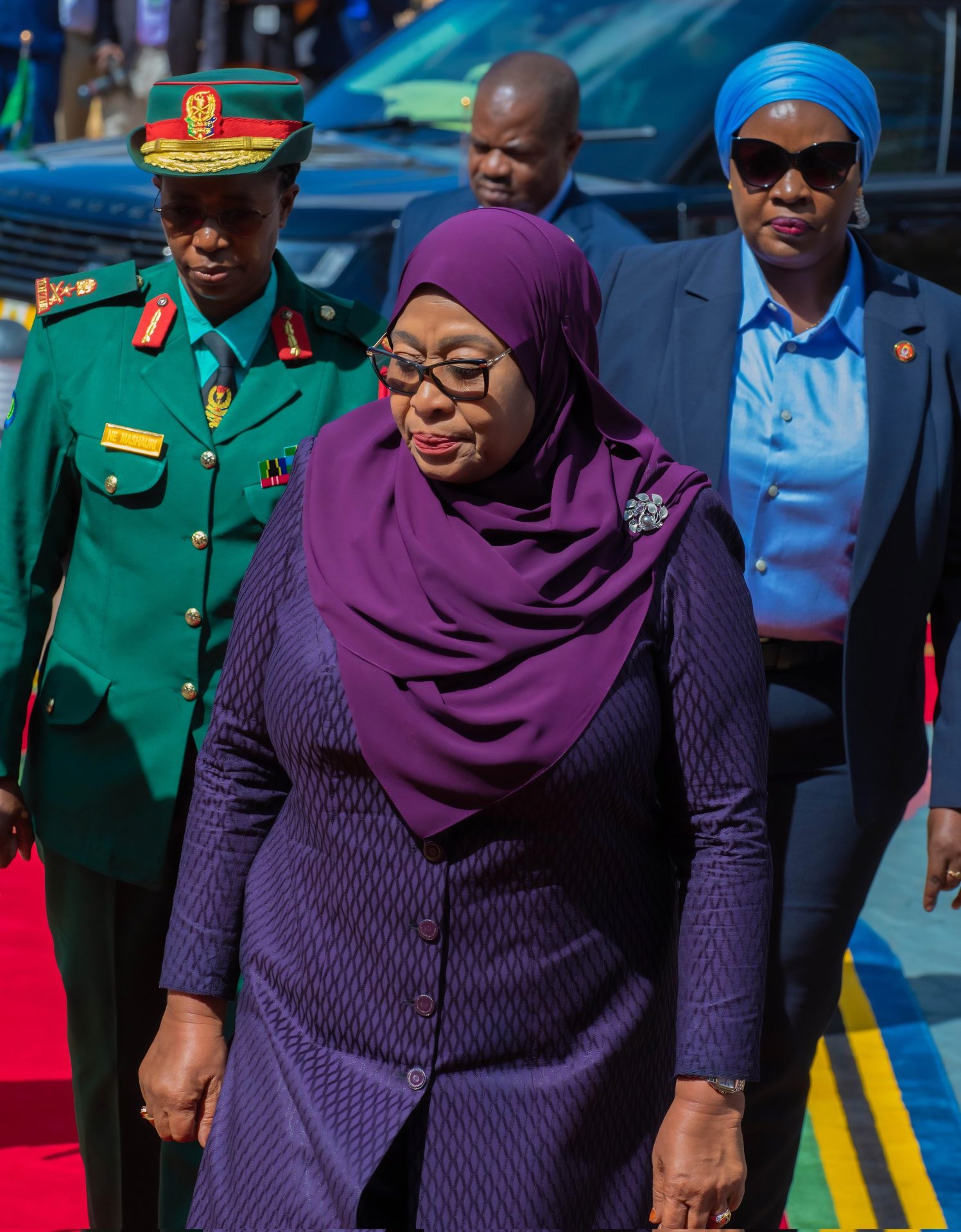 This article delves into the key themes and transformative plans unveiled by President Samia, outlining the roadmap designed to guide the United Republic of Tanzania towards a more prosperous, inclusive, and peaceful future.
The Pillars of the Presidential Address: A 20-Point Roadmap
The President’s speech, both comprehensive and poignant, can be distilled into twenty core pillars that will define her second term.
-
A Solemn Moment of Reflection: The Weight of a Nation’s Pause
In the hallowed chamber of Tanzania’s Parliament in Dodoma, the air, typically charged with political anticipation, was instead thick with a profound and shared gravity. The opening of the 13th Parliament was a pivotal moment for the nation, yet Her Excellency President Dr. Samia Suluhu Hassan chose to begin not with a catalogue of achievements or a triumphant vision, but with a collective, national act of mourning. This was a deeply strategic and symbolic gesture, rooted in the Tanzanian spirit of Umoja (Unity) and Amani (Peace), designed to heal a body politic still smarting from the fractures of a contentious election period.
 This “Solemn Moment of Reflection” was far more than a procedural formality; it was the foundational stone upon which the entire address was built. Its significance can be understood through several layers:
1. The Cultural and Human Resonance of Shared Mourning
In Tanzania, from the bustling streets of Dar es Salaam to the serene shores of Lake Tanganyika, community is sacrosanct. The concept of jamii (family/community) extends beyond blood ties to encompass the nation itself. By leading a moment of silence for those who lost their lives, President Samia was invoking this deepest of cultural values. She was, in essence, gathering the national family to acknowledge a collective loss. This was not a president speaking to subjects, but a mother—a Mama—addressing her children, recognising their pain and validating their grief. This act immediately humanised the political process, cutting through partisan divisions and reminding every citizen, regardless of political affiliation, of their shared humanity and the irreplaceable value of every Tanzanian life.2. The Political Courage of Acknowledgment
In many political contexts, there is a temptation to gloss over turmoil and present a facade of unblemished progress. President Samia’s decision to directly confront the tragic events head-on demonstrated significant political courage and maturity. It was an implicit acknowledgment that the state’s primary duty is the protection of its citizens, and that any failure in this regard must be addressed with transparency. By stating plainly that lives had been lost and that the nation was in pain, she refused to let these events become a silent, festering wound in the national psyche. This act of acknowledgment is the first and most critical step towards genuine reconciliation, for, as the old adage goes, “a house divided against itself cannot stand.” President Samia was recognising the divisions and taking the first step to mend the very foundations of the national house.3. The Pledge for Truth: The Commission of Inquiry
The moment of silence was paired with a concrete promise: a commission of inquiry to uncover the root causes of the unrest. This transformed the solemnity from a passive act of remembrance into an active commitment to justice and prevention. In the Tanzanian setting, where trust in institutions can be fragile, this pledge was crucial. It signalled to the nation that the government was not seeking to bury the truth but to unearth it. The purpose of such a commission is not merely to assign blame, but to understand the systemic failures—be they in security operations, political rhetoric, or electoral logistics—that allowed the situation to escalate. It is about learning from tragedy to build a more resilient and peaceful democratic process for future elections.4. Setting a Tone of Servant Leadership
By beginning in this manner, the President masterfully set the tone for her entire administration’s next term. The message was clear: this is a government that leads with its ears and its heart, not just its voice. It prioritises the people’s welfare above political point-scoring. This solemn reflection established a covenant of trust with the citizenry, a promise that their suffering had been seen, heard, and would inform future government action. It framed the ambitious plans for economic development and social progress that followed not as isolated goals, but as part of a broader healing process—a commitment to ensuring that such a loss of life would not be in vain. In conclusion, this “Solemn Moment of Reflection” was the moral and emotional anchor of the presidential address. It was a masterclass in leadership that understood that before a nation can run, its wounds must be tended to. By honouring the lost, acknowledging the pain, and pledging to seek the truth, President Samia sought to bind the nation’s wounds and create a unified, stable platform from which Tanzania could truly begin its journey forward, embodying the principle that to heal a tree, you must first water its roots.
 -
A Mother’s Plea for the Youth: Preserving the Legacy of the Mwalimu’s Nation
In the charged atmosphere of Tanzania’s Parliament, a moment of profound political theatre unfolded, rooted not in scripted rhetoric but in the deep-seated cultural norms of the nation. When President Dr. Samia Suluhu Hassan shed the formal title of Commander-in-Chief and embraced the mantle of the nation’s mother, she executed a powerful pivot that resonated across every mtaa (neighbourhood) and kijiji (village) in Tanzania. This was not merely a figure of speech; it was a strategic invocation of her role as Mama wa Taifa (Mother of the Nation), a plea from the heart that sought to guide her most energetic, yet sometimes restless, children—the youth.
This segment of her address was a masterful blend of personal appeal, cultural wisdom, and stark political realism, which can be comprehensively broken down as follows:
1. The Cultural Power of the ‘Mother’ Figure
In Tanzanian society, steeped in values of respect (heshima) for elders and the centrality of the family unit, a mother’s word carries immense moral weight. A mother is the nurturer, the disciplinarian, and the unwavering guardian of the household’s well-being. By positioning herself as Mama, President Samia transcended the political fray. She was no longer a politician from the CCM party debating opponents; she was the caregiver of the national family, addressing her sons and daughters. This framing made her subsequent plea inescapably personal for young Tanzanians. It appealed to their conscience and their upbringing, obliging them to listen not out of political obligation, but out of filial respect. It was a call to remember the lessons from their own nyumbani (homes), where a mother’s advice is not given lightly and is seldom ignored without consequence.2. The Adage: “Do Not Cut the Branch You Are Sitting On”
The President’s choice of metaphor was brilliantly illustrative and universally understandable. “Usikate mti uliopanda ukikalia” – do not cut the tree you have planted and are sitting on – is a timeless piece of African wisdom that paints a vivid picture of self-destructive folly. She used this adage to frame political violence and destruction not as revolutionary acts, but as an existential threat to the very foundations that support the youth’s own aspirations.This “tree” represents the hard-won peace and stability that Tanzania has enjoyed for decades—a legacy directly attributed to the foundations laid by the first generation of leaders like Mwalimu Julius Nyerere. Its branches are the growing economy, the new universities, the improving infrastructure, and the sense of national pride. To engage in destruction is to recklessly saw through these branches, ensuring that the perpetrator will be the first to fall, crushing their own future in the process. As another fitting adage goes, “The child who does not listen to its mother’s advice will follow the vulture’s path.” President Samia was the mother offering the wise path, warning that the alternative—the path of chaos—leads only to ruin.3. The Historical Context and Intergenerational Contract
The President’s emphasis on the “restraint of previous generations” was a critical history lesson. She directly reminded the youth that the Tanzania they inhabit—a nation that has avoided the brutal civil wars and coups that have plagued neighbours—was not an accident. It was a conscious choice made by their parents and grandparents. This generation practised tolerance, prioritised Umoja (Unity) over discord, and understood that nation-building is a patient, gradual process.Her message was a stark comparison: We, your parents’ generation, exercised restraint to build this nation for you. Now, you must show similar wisdom to preserve it for yourselves and your children. It was a challenge to the youth to match the maturity of their predecessors and to honour the intergenerational contract that safeguards the national heritage. She implied that true strength lies not in destructive fury, but in the disciplined channelling of energy towards construction.
4. A Strategic Appeal for National Continuity
Beyond the emotional appeal, this was a strategically crucial plea for the nation’s continuity. Tanzania’s demographic landscape is overwhelmingly young. The future of the country is inextricably linked to the choices made by its youth. By appealing to them directly as a mother, President Samia was attempting to de-escalate potential future conflicts and channel their immense potential away from destruction and towards national development.She was effectively saying, “Your energy is needed to build the roads, innovate in technology, and farm the land—not to burn and destroy what already exists.” This plea aligns with the national development vision and frames the youth not as a problem to be managed, but as the primary asset and custodians of the Tanzania to come, provided they guard the peace that makes progress possible.In conclusion, the “Mother’s Plea for the Youth” was one of the most resonant moments of the presidential address. It was a sophisticated appeal that leveraged cultural authority, ancestral wisdom, and historical perspective to steer the nation away from the precipice of self-inflicted decline. By reminding the young of the tree planted for them, she sought to inspire a new generation of gardeners, not lumberjacks, ensuring that the shade of peace and prosperity would endure for many more generations to come.
-
A Gesture of Clemency: Wisdom, Mercy, and the Path to National Healing
In the wake of political unrest, the easiest course for any government is often to pursue the full, unyielding force of the law. Yet, in a move that demonstrated both profound political acumen and a deep understanding of human nature, President Samia Suluhu Hassan chose a different path. Her directive to the Office of the Director of Public Prosecutions (DPP) to review cases and offer clemency to youths who were merely “swept up in the fervour of the moment” was a masterstroke of strategic statecraft and compassionate leadership. This was not a sign of weakness, but a calculated application of mercy designed to heal the nation’s wounds and secure its future.
This gesture of clemency can be comprehensively understood through several critical lenses:
1. The Political Wisdom of Differentiating Between the Instigator and the Instrument
A key mark of a mature justice system is its ability to discern levels of culpability. President Samia’s directive displayed a keen understanding that the crowd during the unrest was not a monolith. It contained a spectrum of participants: from hardcore instigators with malicious intent to impulsive young people caught in the contagious energy of the moment—the proverbial vijana waliovutiwa na msukumo (youths drawn by the momentum).By ordering this review, she was making a crucial distinction. It is the role of the state to pursue and prosecute those who deliberately plant the seeds of violence and sedition. However, for those who were merely instruments—the ones who “followed the crowd” without fully grasping the consequences—a different approach is warranted. This reflects a pragmatic understanding that criminalising an entire generation of disaffected youth would only breed deeper resentment and create a permanent class of alienated citizens, turning a temporary problem into a lasting one. As the Swahili adage goes, “Akili ni mali”—intelligence is wealth. Here, the intelligence lay in using discernment to dismantle a cycle of retaliation before it could properly begin.
2. The Cultural and Spiritual Resonance of the Act
The President’s choice to quote Luke 23:34, “Father, forgive them, for they do not know what they are doing,” was deeply significant in a nation where Christianity and Islam coexist widely, and spiritual values are woven into the social fabric. This was not just a biblical reference; it was a powerful moral framing of her executive decision. It elevated the act from a mere legal manoeuvre to a gesture of national forgiveness rooted in a universal ethical principle. This appeal to forgiveness and understanding resonates with the Tanzanian philosophy of Umoja (Unity) and Ujamaa (Familyhood), which emphasises reconciliation and community cohesion over punitive individualism. It sent a clear message to the nation: we are a people who believe in redemption. We understand that young people can make foolish mistakes, and as a family, our first instinct should be to correct and reintegrate, not just to cast out and punish. This approach aligns with the traditional community method of conflict resolution, where elders seek to restore harmony rather than simply assign blame.
3. The Strategic Objective: Denying Oxygen to the Fires of Division
From a strategic standpoint, this clemency was a tool to drain the swamp of grievance. By showing mercy to the “followers,” the government effectively isolates the true “ringleaders.” It removes a potent recruitment tool from opposition elements, who might otherwise portray these youths as political martyrs. It acknowledges a simple truth: a young person who is shown leniency and given a second chance is far less likely to be radicalised against the state in the future.This act serves as a powerful counter-narrative. It demonstrates that the state is not an inflexible leviathan but a compassionate entity capable of listening and understanding. It builds a bridge back to a disengaged demographic, telling them, “We see your youth, we understand your impulsivity, and we are investing in your capacity to learn and grow.” This is crucial for maintaining long-term stability, for “a child who is embraced by the village will grow up to protect it.” By extending this embrace, President Samia was strategically investing in the future guardians of the nation’s peace.
4. A Mother’s Plea in Action
This directive was the tangible, legal manifestation of her earlier “Mother’s Plea.” It proved that her words were not empty sentiment. A mother does not disown a child for a single, foolish mistake made under peer pressure; she disciplines, forgives, and guides them back to the right path. This is precisely what the President initiated. She was acting in a parental capacity for the nation, using the authority of the state not to crush, but to correct and reclaim.In conclusion, the “Gesture of Clemency” was a multifaceted and profoundly wise decision. It blended the sharp political intelligence of differentiating between threats and misguided youths with the deep cultural and spiritual values of forgiveness and community. It was a strategic move designed to promote national healing, deny ammunition to divisive forces, and ultimately, secure the loyalty of the next generation. It affirmed that the strength of the Tanzanian nation lies not just in its ability to enforce laws, but in its capacity to temper justice with wisdom and mercy.
-
A Commitment to National Dialogue: Weaving a Stronger National Fabric
In the delicate and often fraught landscape of post-election Tanzania, the most significant pledge made by President Samia Suluhu Hassan was not a new road or a factory, but the promise of a process: the establishment of a Commission for Reconciliation and Understanding. This commitment represents a profound recognition that the nation’s most pressing challenges cannot be solved by concrete and steel alone, but require the more intricate work of mending the social and political fabric. It is an ambitious endeavour to move the nation from a period of marked political polarisation towards a future built on a more inclusive, home-grown consensus, ultimately paving the way for a review of the nation’s supreme law—the Constitution.

This commitment can be comprehensively understood through the following facets:
1. The Purpose: From Conflict to Consensus
The primary role of the proposed Commission is to act as a national safety valve, creating a formal, structured space for airing the grievances and frustrations that have accumulated over recent political cycles. In the Tanzanian context, this means addressing issues such as the perceived fairness of electoral processes, the boundaries of political expression, and the relationship between the state and its citizens. Unlike a judicial inquiry that seeks to assign blame, a Commission for Reconciliation and Understanding aims to understand the root causes of political discontent. Its goal is to listen to opposition parties, civil society, academics, and ordinary citizens, transforming loud, often destructive, public disagreements into structured dialogue. This process is essential because, as the Swahili adage goes, “Mgaguna na mvua huwa mvumari” (He who disputes with the rain becomes the one who gets wet). The Commission is an attempt to stop a futile fight against an inevitable downpour of diverse opinions and, instead, build a shelter where all can gather and talk.2. Grounding the Process in Tanzanian Utamaduni (Culture)
A critical aspect of this pledge is the intention to build a political framework that reflects Tanzania’s unique culture and values. This is a direct rejection of a one-size-fits-all importation of foreign democratic models. Tanzania’s political history is deeply rooted in the principles of Ujamaa (Familyhood) and Umoja (Unity), which emphasise collective well-being and consensus-building. Traditional conflict resolution in many Tanzanian communities involves elders (wazee) bringing disputing parties together, not for a winner-takes-all verdict, but for a dialogue that restores communal harmony (usalama).The Commission seeks to modernise this traditional approach. It will act as the national wazee, facilitating conversations that allow for acknowledgment of wrongs, forgiveness, and a collective agreement on how to move forward. This ensures that the resulting political framework is not a cold, legalistic document, but a living covenant that Tanzanians can see themselves in, one that respects the local nuances of dialogue, respect for authority, and community.
3. The Constitutional Review: Mending the Foundation of the House
The Commission is wisely conceived as a precursor to a national constitutional review. Attempting to review the constitution in a climate of deep mistrust and political rancour would be a futile endeavour, likely to exacerbate existing divisions. The Commission’s work is therefore the essential groundwork. By first fostering a measure of reconciliation and creating a shared understanding of the nation’s core challenges, the government aims to create a more conducive environment for the subsequent, and inevitably more contentious, constitutional debate. The review itself aims to build a “more inclusive political framework.” In practice, this could involve national conversations on issues such as the structure of the Union between Tanganyika and Zanzibar, the balance of power between the executive, legislature, and judiciary, and the strengthening of institutions that guarantee democratic integrity. The goal is to produce a constitution that is widely perceived as legitimate and owned by all Tanzanians, not just the ruling party.
4. The Strategic Wisdom: Preventing a Fractured Future
This commitment is a hallmark of strategic, long-term leadership. President Samia recognises that a nation perpetually at war with itself cannot achieve meaningful development. Political instability scares away investment, diverts resources from critical services, and stunts the nation’s potential. By investing in this process of dialogue and reconciliation, the government is attempting to secure the long-term stability required for its ambitious economic plans.It is an acknowledgment that true strength lies not in suppressing dissent, but in managing it through inclusive structures. The initiative sends a powerful message that the state is confident enough to listen to its critics and resilient enough to adapt based on what it hears. It is an attempt to transform political opponents from enemies of the state into adversaries within a shared political community, all striving for the nation’s progress, even if they disagree on the methods.
In conclusion, the pledge to establish a Commission for Reconciliation and Understanding is arguably the most transformative element of the government’s new agenda. It is a courageous commitment to tackling the root causes of political disaffection rather than just its symptoms. By seeking to weave a stronger national fabric through dialogue, grounded in Tanzanian utamaduni and aimed at a more legitimate constitution, this initiative holds the promise of forging a lasting peace. It is the understanding that “the forest that learns to accommodate all birds, with their different songs, becomes the most vibrant of all.”
-
Strengthening the Union: The Bedrock of Tanzania’s Existence
In the architecture of the Tanzanian state, no pillar is more fundamental, yet as perpetually requiring of care and attention, than the Union between Tanganyika and the Revolutionary Government of Zanzibar. When President Samia Suluhu Hassan stood in Parliament and reaffirmed that nurturing this bond was an “unshakeable priority,” she was doing more than reiterating a political slogan; she was touching the very core of the nation’s identity and stability. This commitment, set against a historical backdrop of occasional tensions and debates, is a proactive strategy to ensure that the foundational structure of the country does not merely endure, but thrives.
This pledge to strengthen the Union can be comprehensively understood through the following dimensions:
1. The Historical Imperative: A Legacy of Umoja
The Union, forged in 1964 through the vision of Mwalimu Julius Nyerere and Sheikh Abeid Karume, was a revolutionary act of Pan-Africanism. It was born from a belief that unity was a source of strength, allowing two distinct entities to pool their sovereignty for a greater good. This history is not a dusty relic; it is the living bedrock of the modern Tanzanian identity. To speak of strengthening the Union is to honour this legacy and to acknowledge that the peace and stability Tanzania has enjoyed for decades—a rarity in a sometimes turbulent region—is directly attributable to this unique political marriage. It is an acknowledgment that the nation’s greatest achievement is its unity, and like any precious inheritance, it must be vigilantly protected and actively maintained for future generations.2. The Symbolic and Practical Tapestry of “One Nation”
The Union is both a symbolic idea and a practical, daily reality. Symbolically, it is embodied in the single flag, the national anthem, and the shared identity of being “Mtanzania” (a Tanzanian). However, in practice, it is a complex tapestry of shared and separate institutions. There is one Union government for the United Republic of Tanzania, and a separate Revolutionary Government for Zanzibar, which handles non-Union matters. This intricate structure, while a marvel of political engineering, is also a source of perennial discussion and occasional friction.Strengthening the Union, therefore, involves a continuous process of weaving this tapestry more tightly. It means ensuring that the practical benefits of unity—a larger common market, shared diplomatic clout, pooled resources for major infrastructure projects, and a stronger defence force—are tangibly felt by all citizens, from the shores of Lake Tanganyika to the islands of Zanzibar. It is about making the case for unity not just through history lessons, but through demonstrable, shared prosperity. As the Swahili adage goes, “Umoja ni nguvu, utengano ni udhaifu” (Unity is strength, division is weakness). The President’s focus is on continuously proving that this unity translates into concrete strength for every citizen.3. Proactive Resolution: The Adage of the Leaking Roof
The President’s commitment to resolving challenges “proactively” is the most critical element of this pledge. It signifies a shift from a reactive posture—waiting for a crisis to emerge—to one of anticipatory maintenance. For decades, discussions around the Union have sometimes been characterised by a culture of silence or avoidance, allowing minor grievances to fester. A proactive approach means officially and openly acknowledging that, like any long-standing partnership, the Union has its points of tension that require constant attention and dialogue.This involves creating and bolstering formal mechanisms for dialogue between the Union and Revolutionary governments, such as joint committees and regular consultations. It means addressing thorny issues like the equitable distribution of national revenue, the clarity of jurisdictions between Union and Zanzibar matters, and the perceptions of fair representation in Union institutions. It is the wisdom of the adage, “The wise man repairs the roof before the rainy season, the fool repairs it when the rains have already flooded his house.” President Samia is committing to the repairs before the storms of discontent can cause irreparable damage to the national house.
4. A Unifying Narrative for a New Generation
Finally, this commitment is about securing the Union’s future. A new generation of Tanzanians has grown up for whom the struggle for independence and the early idealism of the Union are stories in a history book. Their allegiance to the Union cannot be taken for granted; it must be earned. Strengthening the Union, therefore, involves crafting a contemporary narrative that resonates with the youth. It must be a narrative that demonstrates how the Union provides them with greater educational opportunities, wider career prospects across the mainland and the isles, and a more powerful platform on the continental and global stage. In conclusion, the pledge to strengthen the Union is the ultimate statement of long-term, strategic governance. It is an acknowledgment that Tanzania’s greatest asset is its own internal cohesion. By moving proactively to address challenges, ground the Union in tangible benefits, and secure its legacy for the next generation, the government is not just managing a political structure; it is nurturing the very soul of the nation. It is the understanding that “a forest with deeply intertwined roots can withstand the fiercest winds,” and in a world of many storms, those roots must be cared for, above all else.
 -
A New Economic Philosophy: Weaving Dignity into the Fabric of Work
The announcement of a new national economic slogan, “Work and Dignity We Move Forward” (Kazi na Utu Tunusonga Mbele), represents far more than a rhetorical shift. It is a profound philosophical recalibration of Tanzania’s development compass, moving beyond the sterile language of GDP growth rates and macroeconomic indicators to place the human experience at the very centre of economic policy. This new direction, championed by President Samia Suluhu Hassan, signals an intent to pursue a form of progress that is not only felt in national treasuries but is lived and experienced by every Tanzanian in their daily struggle and aspiration.
This philosophy can be comprehensively unpacked through the following dimensions:
1. The “Work” Component: Beyond Subsistence to Meaningful Endeavour
The emphasis on “Work” (Kazi) is a call to energise the nation’s productive capacities. However, in this new context, it transcends the old model of viewing labour merely as a factor of production. It is about transforming the nature of work itself. For the millions of Tanzanians engaged in small-scale agriculture, the machinga (street vendors) in urban centres, and the artisans in their workshops, “work” is often a precarious struggle for subsistence.The new philosophy seeks to elevate this. It implies creating an economy where work is not just about survival but about growth and fulfilment. This means:
-
Dignified Livelihoods: Ensuring that a farmer’s toil is rewarded with fair prices and access to markets, that their work is seen as a noble profession fundamental to the nation’s security.
-
Formalisation and Security: Bringing the informal sector—the lifeblood of the Tanzanian economy—into the fold through simplified registration, access to credit, and social protection, transforming day-to-day hustles into stable, recognised businesses.
-
Skills and Value Addition: Moving the nation from being a producer of raw materials to a processor and manufacturer. This shifts the role of the worker from a labourer to a skilled technician, adding value and thus claiming a greater share of the economic pie.
2. The “Dignity” Component: The Heart of the New Philosophy
This is the revolutionary core of the slogan. “Dignity” (Utu) is a deeply resonant concept in Tanzanian and wider African philosophy, referring to the essential humanity, respect, and value of every individual. An economic policy centred on dignity seeks to ensure that the process of development does not erode the personhood of the citizen.In practical terms, this means:
-
Respect for the Informal Economy: Instead of harassing and displacing street vendors, it involves creating designated, clean, and safe market spaces for them, acknowledging their right to earn a living.
-
Fair Wages and Safe Conditions: It means ensuring that the worker in a factory or on a construction site is not merely a cost to be minimised, but a partner in progress, deserving of a living wage and safe working conditions.
-
Inclusive Access: It involves designing financial products and public services that are accessible to people with disabilities, women, and youth, affirming that the economy exists to serve all its people, not just an elite few.
-
Protection from Indignity: It is the commitment to end practices like the detention of patients’ bodies in hospitals over unpaid bills—a direct assault on human dignity that the new universal health insurance plan seeks to eliminate.
3. The Synthesis: “We Move Forward” – A Collective Journey
The phrase “We Move Forward” (Tunusonga Mbele) is deliberately collective. It rejects the trickle-down economics model where the nation is expected to move forward even if many of its people are left behind. It champions a concept of progress where advancement is measured by the improvement in the condition of the slowest vessel in the convoy, not just the speed of the fastest.This philosophy understands that a nation’s true strength is not just in its infrastructure but in the morale and well-being of its people. As the Swahili adage goes, “Mtu ni utu” (A person is their humanity). An economy that grinds down the utu of its people, even while posting impressive growth figures, is ultimately building on sand. It creates a wealthy nation populated by frustrated, alienated, and disrespected citizens. In contrast, an economy that enhances dignity is building on the bedrock of a motivated, loyal, and cohesive populace.4. Contrast with the Previous Model
The slogan “Work and Dignity” subtly moves beyond the previous administration’s focus, which heavily emphasised hard work and anti-corruption through the slogan “Hapa Kazi Tu” (Here, Only Work). While lauding the ethic of work, “Hapa Kazi Tu” could be perceived as a top-down, disciplinarian approach. “Work and Dignity” complements the necessity of work with the imperative of respect, suggesting a more holistic and empathetic understanding of development. It acknowledges that people are not merely cogs in an economic machine, but are the ultimate beneficiaries and the very purpose of economic activity.In conclusion, the new economic philosophy of “Work and Dignity We Move Forward” is a bold and necessary evolution in Tanzanian policy thinking. It is an attempt to heal the rift between macroeconomic statistics and microeconomic hardship. It seeks to build an economy where a young person in Mwanza, a farmer in Morogoro, and a businesswoman in Zanzibar do not just see the nation’s progress in headlines, but feel it in the respect they are afforded, the security they enjoy, and the tangible improvement in the quality of their daily lives. It is the recognition that “a tree that provides no shade for its own roots will eventually fall,” and Tanzania is now committed to nurturing an economic forest where every citizen can thrive in its shade.
-
-
A Parliament of Change: The Fresh Blood and Balanced Voice of a Nation
When President Samia Suluhu Hassan highlighted the demographic earthquake within the walls of the Tanzanian Parliament, she was drawing attention to more than just interesting statistics. The fact that 56.7% of Members of Parliament are new, coupled with a record 45% being women, represents a profound and deliberate transformation of the nation’s central democratic institution. This is not merely a change of faces; it is a fundamental renewal of political bloodlines and a significant rebalancing of perspective, signalling a potential watershed moment for Tanzanian governance.
This “Parliament of Change” can be comprehensively understood through the following critical lenses:
1. The Influx of New Members: A Cleansing Storm
The overwhelming majority of new MPs—56.7%—constitute a powerful mandate for renewal. In any political system, incumbency brings experience but also the risk of complacency, entrenched interests, and a detachment from the rapidly evolving realities of everyday life. Such a high turnover acts as a corrective force, a political reset that injects the legislature with fresh energy, new ideas, and a direct, recent connection to the constituents they serve.This influx can be likened to a much-needed cleansing. As the Swahili adage goes, “Mvua kubwa hupuliza mchanga mwingi” (A heavy rain washes away a lot of sand). The electoral process has acted as this heavy rain, clearing away the accumulated ‘sand’ of political stagnation and making way for new growth. These new members arrive less bound by the old ways of doing politics and potentially more willing to challenge stale orthodoxies. They bring with them contemporary expertise from fields like technology, business, and civil society, which is crucial for effectively scrutinising modern government policies and crafting legislation fit for the 21st century.2. The Record of Women’s Representation: Building a House with Two Wings
Achieving 45% female representation is a monumental leap towards a more inclusive and representative democracy. For decades, the political arena in Tanzania, as in many nations, has been predominantly male. This gender imbalance has inevitably led to a legislative agenda that, however unintentionally, overlooked or under-prioritised issues disproportionately affecting women, from maternal healthcare and childcare to specific challenges faced by female entrepreneurs and farmers.By nearing parity, the Parliament fundamentally transforms into a more complete microcosm of Tanzanian society. This is not about excluding men, but about including the full spectrum of human experience. It is the wisdom of the adage, “A bird cannot fly with one wing.” For generations, the Tanzanian political body has attempted to soar with a single, male wing. Now, by strengthening the second wing, the nation positions itself to fly higher, further, and with much greater stability. This diversity of thought leads to better, more robust decision-making. A debate on agricultural policy is enriched by the voices of women who form the backbone of rural farming; a discussion on healthcare is deepened by the perspectives of those who most frequently navigate the system for their families.
3. The Combined Impact: Renewal and Balance as a Catalyst for Accountability
The combination of these two factors—newcomers and gender balance—creates a powerful synergistic effect. A Parliament filled with new members is inherently less predictable and potentially more assertive. When nearly half of these new, independent-minded voices are women, it challenges the traditional, often consensus-driven and hierarchical, political culture. This new composition promises a legislature that is less likely to be a rubber stamp and more inclined to be a vigorous chamber of debate, scrutiny, and oversight.For the executive branch, this changes the game. Ministers will now have to justify their policies and expenditures before a House that is more reflective of the populace and potentially less deferential. This enhances transparency and accountability, which are the cornerstones of public trust. It signals a move from a paternalistic model of governance to a more collaborative and accountable partnership between the government and the people’s representatives.
4. A Fulfilment of National Ideals and a Message to the Youth
This transformation also resonates deeply with Tanzania’s founding philosophy of Ujamaa (Familyhood), which emphasises collective endeavour and inclusivity. A Parliament that looks more like the people it serves is a tangible manifestation of this ideal. Furthermore, it sends an unequivocal message to the youth and girls across the nation: the highest halls of power are open to you. Seeing a nearly gender-neutral assembly provides powerful role models and reinforces the belief that leadership is not the preserve of one gender or a static political class. In conclusion, the composition of this 13th Parliament is a quiet revolution. It is a decisive break from the past and a bold investment in a more dynamic, inclusive, and effective future for Tanzanian democracy. By welcoming a flood of new voices and ensuring that women’s perspectives are central to the national conversation, Tanzania has not just changed its MPs; it has proactively strengthened the very foundations of its governance. It is a recognition that “a river that cuts through a new path is both fresh and powerful,” and this renewed Parliament is poised to channel that power for the benefit of the entire nation.
 -
Tackling the Cost of Living: Weaving a Tapestry of Economic Self-Reliance
In Tanzania, the struggle against the rising cost of living—gharama za maisha—is the most pressing concern in the daily lives of ordinary citizens. It is the conversation in the bustling daladala, the calculation made at the local duka, and the silent worry in households from Mtwara to Mwanza. Recognising this, the government’s pledged strategy to intensify efforts against inflation is not merely an economic policy; it is a crucial social contract aimed at preserving stability and dignity. This multi-pronged approach—controlling inflation, supporting local industries, and introducing tax incentives—represents a deliberate shift from reactive measures to a proactive, systemic building of economic resilience.
This comprehensive strategy can be understood through its three interconnected pillars:
1. Controlling Inflation: Protecting the Shilling in Your Pocket
Inflation acts as a silent tax, eroding the purchasing power of the Tanzanian Shilling and making it increasingly difficult for families to afford basic necessities like unga (flour), cooking oil, and soap. The government’s commitment to “intensify efforts to control inflation” involves a combination of monetary and supply-side policies.The Bank of Tanzania will likely continue its tight monetary policy, making it more expensive to borrow money, which cools down excessive spending and dampens price pressures. Simultaneously, the government will work to stabilise the supply chain. This includes maintaining strategic food reserves to release onto the market during shortages, curbing speculative hoarding, and investing in storage infrastructure to reduce post-harvest losses, which can cause dramatic seasonal price spikes for staples. The goal is to create a predictable economic environment where the value of a citizen’s income is not constantly being undermined. As the Swahili adage goes, “Akiba haiozi” (Savings do not decay). This pillar is about protecting the people’s hard-earned savings and income from the decay wrought by rampant inflation.
2. Supporting Local Industries: The Path to Affordable Self-Sufficiency
A core component of the strategy is a decisive pivot towards domestic production. When a nation relies heavily on imported goods—from processed foods to simple household items—it imports not only the products but also the inflation and supply chain disruptions of the countries of origin. By supporting local industries to produce affordable goods, the government is tackling the problem at its root.This involves:
-
Access to Capital: Providing low-interest loans and credit guarantees to local manufacturers, such as a textile factory in Dar es Salaam or a shoe manufacturer in Moshi, enabling them to expand production and achieve economies of scale that lower costs.
-
Technical and Infrastructural Support: Assisting industries in adopting more efficient production technologies and ensuring they have reliable access to energy and water, which are critical for consistent, low-cost output.
-
Promoting “Made in Tanzania”: Launching national campaigns to encourage citizens to buy locally produced goods, thereby creating a guaranteed market that allows industries to grow. This transforms a local business, like a woman-owned soap-making cooperative in Zanzibar, from a small-scale enterprise into a national supplier, creating jobs and stabilising prices.
3. Introducing Tax Incentives: Boosting Competitiveness and Lowering Prices
The third pillar uses the state’s fiscal tools to make Tanzanian products more competitive against imports and more affordable for consumers. By introducing targeted tax incentives—such as reducing or waiving import duties on essential raw materials and machinery that local factories cannot source domestically—the government directly lowers the production costs for domestic manufacturers.For instance, a company assembling solar panels in Arusha that no longer has to pay high tariffs on imported photovoltaic cells can significantly reduce its final price. This makes its products more affordable for Tanzanian consumers and more competitive against finished solar panel imports from abroad. Furthermore, tax breaks for research and development can spur innovation, leading to more efficient production processes and even lower prices. This is a strategic investment in the nation’s productive capacity, fostering a virtuous cycle of investment, production, and job creation.
The Synthesis: A Three-Legged Stool of Economic Stability
The true genius of this approach lies in the interdependence of these three pillars. They form a “three-legged stool” of economic stability. Controlling inflation (the first leg) creates a stable macroeconomic environment. Supporting local industries (the second leg) builds a resilient productive base. Tax incentives (the third leg) make that productive base competitive and efficient. If any one leg is weak, the entire stool—and the citizen sitting on it—becomes unstable.This strategy is deeply rooted in the national philosophy of kujitegemea (self-reliance). It is an understanding that true economic sovereignty and affordable living are achieved not by perpetual reliance on global markets, but by building a robust, internal economic engine. It is the wisdom of the adage, “Mchimba kisima hukosa usingizi, lakini maji ni ya kumfaa yeye na majirani zake” (The one who digs a well loses sleep, but the water benefits them and their neighbours). The government’s intensive efforts are the hard work of digging the economic well; the result will be the refreshing water of affordable goods and economic security that benefits the entire nation. By weaving this tapestry of self-reliance, Tanzania is not just tackling the cost of living, but is fundamentally re-asserting control over its own economic destiny. -
-
Universal Health Insurance: From Indignity to Dignity in Life and Death
The announcement of trials for a Universal Health Insurance (UHI) scheme in Tanzania represents one of the most socially transformative policies of the current administration. It is a direct and powerful intervention aimed at severing one of the most distressing threads in the nation’s social fabric: the practice of detaining the bodies of deceased patients in hospital mortuaries over unpaid medical bills. This policy is not merely a financial mechanism; it is a profound moral statement that seeks to restore the core values of humanity and dignity—utu and heshima—to the centre of the Tanzanian healthcare experience.
This landmark initiative can be comprehensively understood through the following dimensions:
1. Addressing a National Shame: The Indignity of Body Detention
To understand the significance of UHI, one must first appreciate the profound cultural and emotional weight of the problem it seeks to solve. In Tanzanian society, the respectful and timely burial of a loved one is not merely a preference; it is a sacred duty. It is a crucial rite of passage that allows the deceased to transition peacefully and provides closure for the grieving family. The practice of hospitals detaining a body, effectively holding it ransom for debt, is therefore not just a financial transaction but a deep cultural and spiritual violation.It compounds tragedy with humiliation, forcing bereaved families to navigate the impossible choice between crippling debt and fulfilling their fundamental cultural and religious obligations. This practice has long been a silent, open wound in the community, a stark symbol of a healthcare system where human dignity could be suspended by an inability to pay. The UHI scheme is, first and foremost, a direct salve for this wound.
2. The Philosophy of Shared Risk: “Kidole Kimoja Hakivunji Chawa”
The fundamental principle behind universal health insurance is the collectivisation of health risk. Instead of an individual or a single family bearing the full, catastrophic cost of a medical emergency alone, the financial burden is shared across a wide pool of contributors. This embodies the Swahili adage, “Kidole kimoja hakivunji chawa” (One finger cannot crush a louse). A single household is vulnerable and can be crushed by a sudden illness. But when many fingers come together—when the collective financial strength of the nation is pooled—the burden becomes manageable for all.The UHI scheme proposes to create this collective pool. Through regular, affordable premiums from a large number of people (including those in formal employment, the informal sector, and with government subsidies for the most vulnerable), the scheme creates a fund that can cover the medical expenses of any member who falls ill. This transforms healthcare from a terrifying, unpredictable financial gamble into a predictable, shared social responsibility.
3. The Practical Mechanics: From Fear to Assurance
The trials for the UHI will likely focus on working out the practical details of this massive undertaking. Key aspects will include:-
Contributory Models: Designing tiered premium structures that are affordable for everyone, from the salaried employee in Dar es Salaam to the small-scale farmer in Ruvuma, ensuring no one is left behind.
-
Benefits Package: Clearly defining which medical services, from basic consultations and maternal care to complex surgeries and chronic disease management, will be covered by the scheme, providing clarity and preventing future disputes.
-
Provider Network: Integrating public and accredited private health facilities into the scheme, so that a patient’s choice is based on need and proximity, not solely on their ability to pay out-of-pocket at the point of service.
The ultimate goal is that when a citizen walks into a health facility, their focus shifts from “Can I afford this?” to “How can I get better?” This eliminates the need for hospitals to act as debt collectors, thereby ending the indignity of body detention at its root cause.
4. The Ripple Effects: Beyond the Mortuary Door
The benefits of UHI extend far beyond the mortuary. It is a catalyst for a healthier, more productive, and economically resilient nation.-
Preventive Care: When people are not afraid of the cost, they are more likely to seek early medical attention. This leads to the early detection of diseases, simpler and cheaper treatments, and better health outcomes for the population.
-
Financial Protection: It shields families from medical poverty, where selling assets like land or livestock to pay hospital bills plunges them into irreversible destitution.
-
Economic Productivity: A healthier population is a more productive population. Reduced absenteeism from work and a stronger, more capable workforce contributes directly to national economic growth.
In conclusion, the move towards Universal Health Insurance is a monumental step in Tanzania’s social development. It is a policy that recognises that true development is not measured only in kilometres of tarmac or megawatts of electricity, but in the security and dignity of its people. By aiming to end the deeply distressing practice of body detention, the government is addressing a profound failure in the social contract. It is a commitment to ensuring that in moments of ultimate vulnerability—in sickness and in death—the people of Tanzania are treated not as customers, but as citizens with inherent and inalienable dignity. It is the understanding that “a people who care for one another’s health are building a nation that will last for generations.”
-
-
An Education Revolution: Forging the Tools for Tomorrow’s Tanzania
The announced overhaul of Tanzania’s education system, with its sharp focus on science, mathematics, and digital skills, coupled with an unprecedented infrastructure expansion, is far more than a policy shift. It is a strategic national project to recalibrate the very engine of the country’s future prosperity. This “Education Revolution” recognises that in a competitive globalised world, Tanzania’s greatest natural resource is not beneath its soil, but within the minds of its youth. It is a deliberate move to equip a new generation with the practical and intellectual tools to solve home-grown challenges and compete on the world stage.
This ambitious vision can be comprehensively understood through its core strategic pillars:
1. The Philosophical Shift: From Rote Learning to Problem-Solving
For decades, the emphasis in many Tanzanian classrooms has been on rote memorisation and the successful completion of examinations. The new focus on science, mathematics, and digital skills signals a decisive pivot towards competency-based education. This approach values critical thinking, problem-solving, and innovation over the mere regurgitation of facts.-
Science is prioritised to foster a spirit of inquiry and evidence-based reasoning, crucial for addressing challenges in agriculture, healthcare, and environmental management.
-
Mathematics is emphasised as the language of logic, analytics, and finance, essential for budding engineers, entrepreneurs, and data-literate citizens.
-
Digital Skills are no longer a luxury but a core literacy, as fundamental as reading and writing. This ensures that a young person in Mbeya or Tabora is not a passive consumer of technology but a potential creator, coder, and digital entrepreneur.
This shift aims to produce graduates who do not just seek jobs but create them, who can analyse a problem and engineer a solution. As the Swahili adage goes, “Mkono mmoja haulei mtu” (One hand cannot bring up a child). Similarly, an education system reliant on a single, outdated method cannot raise a nation to meet the complex demands of the 21st century. This revolution is about bringing many disciplines and skills together to nurture a capable generation.
2. The Infrastructure Backbone: Decentralising Excellence and Opportunity
The pledge to complete a university campus in every region and a vocational training college (VETA) in every district is a monumental logistical undertaking with profound social and economic implications.-
A University in Every Region: This policy is a powerful tool for decentralising development and combating regional inequality. It brings higher education closer to home, reducing the financial and social burden on families from remote areas who would otherwise have to send their children to Dar es Salaam, Arusha, or Dodoma. Furthermore, these universities can be tailored to the economic strengths of their regions—a university in a fishing region could specialise in marine biology and aquaculture, while one in a mining area could focus on geological engineering. This creates hubs of research and innovation that directly serve local industries.
-
A VETA in Every District: This is the masterstroke in dignifying technical skills and tackling youth unemployment. For too long, vocational training has been unfairly stigmatised as a path for those who failed academically. This expansion, especially when “fully equipped for practical learning,” positions VETA as a premier route to a successful and dignified livelihood. It ensures that every young Tanzanian, regardless of their location, has access to training in fields like modern carpentry, solar panel installation, automotive repair, and hospitality—skills that are immediately marketable and vital for a growing economy. It is the wisdom of the adage, “Fundi hafuati mkono” (A skilled artisan never lacks for work). By embedding these colleges in every district, the government is ensuring that a generation of wafundi (artisans) will have the skills to build the nation and secure their own futures.
3. The Synthesis: Connecting the Ivory Tower to the Workshop
The true genius of this dual approach lies in the synergy it creates. The universities will produce the researchers, engineers, and scientists who design new solutions, while the VETA colleges will produce the technicians and artisans who implement, maintain, and repair these technologies on the ground. A graduate engineer might design a new irrigation system, but it is the VETA-trained technician who ensures it works in the fields of a rural cooperative.This creates a seamless pipeline from theory to practice, ensuring that the nation’s intellectual capital is directly translated into tangible economic activity. It bridges the damaging gap between academic qualifications and the practical skills demanded by the economy.Conclusion: Building a Nation with Two Strong Hands
In conclusion, this education revolution is Tanzania’s strategic investment in its own sovereignty and competitiveness. By focusing on relevant, high-value skills and democratising access to quality tertiary education, the government is building a nation with two strong hands: one hand skilled in the theoretical and innovative sciences, and the other in the practical and applied technical arts. Together, these hands will build, create, and solve the challenges of the future. This is not just an education policy; it is a comprehensive national development strategy that places the potential of the Tanzanian people at the very forefront of the country’s journey towards becoming a truly middle-income, self-reliant nation. -
-
-
-
The Industrialisation Drive: Weaving the Threads of Tanganyika’s Bounty into the Tapestry of a Modern Tanzania
The announcement to establish industrial parks in every district represents the most ambitious and structurally transformative economic policy of the current administration. This is not merely an industrial strategy; it is a profound re-imagining of Tanzania’s economic geography and a decisive leap towards the long-held ideal of kujitegemea – national self-reliance. It is a plan to end the colonial-era economic model of exporting raw materials and importing finished goods, and instead, to weave the rich, raw threads of Tanzania’s agricultural, livestock, and mineral bounty into the finished tapestry of a modern, industrialised nation, right here at home.
This nationwide industrialisation drive can be comprehensively understood through its core strategic objectives:
1. The Philosophy of Value Addition: From Producer to Owner
For decades, Tanzania’s economic story has been one of potential unfulfilled. The country exports raw cotton, only to import expensive textiles and clothing. It exports unprocessed cashew nuts and coffee beans, while consumers in Dar es Salaam buy packaged nuts and roasted coffee from abroad. This model exports jobs and keeps the lion’s share of the value in other countries.The establishment of district-level industrial parks is a direct assault on this paradigm. The philosophy is simple yet revolutionary: “Do not sell the seed; plant it and harvest the fruit.” By processing raw materials locally, Tanzania ceases to be a mere producer and becomes an owner of the entire value chain. A cotton-growing district like Shinyanga will no longer just ship bales of raw fibre; it will host ginneries, spinning mills, and textile factories, creating thousands of jobs in manufacturing and allowing the district to export finished kanga and kitenge cloth. This transforms the local economy from a dependent supplier into a self-contained industrial hub.
2. The District-Level Strategy: Rooting Prosperity in the Soil
The decision to site these parks in every district, rather than concentrating them solely in Dar es Salaam or Mwanza, is a masterstroke of decentralised development. It is an economic policy deeply aligned with the social philosophy of Ujamaa (Familyhood), ensuring that prosperity is distributed, not concentrated.-
Reducing Logistical Costs: Processing tomatoes in an industrial park in Morogoro, where they are grown, rather than transporting the fragile, bulky raw fruit to a city, drastically reduces waste and cost.
-
Creating Localised Economic Ecosystems: Each industrial park can be specialised according to the district’s comparative advantage. A pastoralist district like Simanjiro can focus on meat processing, leather tanning, and dairy products. A mineral-rich district like Kahama can host facilities for primary ore processing. This ensures that the unique economic identity of each region is not just preserved but amplified and commercialised.
-
Stemming Rural-Urban Migration: By creating dignified, industrial jobs in the districts, the government provides a compelling alternative for the youth who might otherwise migrate to cities in search of work. This revitalises rural communities and prevents the overcrowding of urban centres.
3. The Synergy with Primary Sectors: A Virtuous Cycle of Growth
The success of this industrial drive is intrinsically linked to the transformation of the primary sectors. The plans for agricultural revitalisation, livestock modernisation, and mineral sector reform are the essential fuel for these new industrial engines.-
Agriculture & Livestock: Improved yields and quality from farms and ranches ensure a consistent, high-quality raw material supply for the food processing, textile, and leather factories.
-
Minerals: Instead of exporting raw ore, the parks could host facilities for cutting and polishing Tanzanite, or for initial processing of other minerals, capturing more value before export.
This creates a virtuous cycle: a successful processing factory creates demand for higher agricultural output, which in turn increases farmers’ incomes, who then have more money to spend in the local economy, fostering further growth. This embodies the Swahili adage, “Mkono mmoja haulei mtoto” (One hand cannot raise a child). Similarly, the nation’s development requires many hands working together – the farmer, the pastoralist, the miner, and the factory worker – all lifting the economy in unison.
4. The Ultimate Goal: Building a Resilient and Self-Reliant Nation
The overarching aim of “national self-reliance” is about economic sovereignty and resilience. A nation that can feed, clothe, and supply its own basic needs is less vulnerable to global supply chain shocks, currency fluctuations, and external political pressure. It creates an internal economic engine that is sustainable and controlled by Tanzanians, for Tanzanians.This industrial drive is about building a Tanzania where the profits from its resources are reinvested in its own soil, where its youth are employed in sophisticated, value-adding industries, and where every district becomes a proud contributor to the national treasury. It is the ultimate expression of building a nation that is not just open for business, but is, first and foremost, in business for itself.
-
-
Maximising the Mining Sector: From National Heritage to National Treasury
Tanzania’s ambitious strategy for its mining sector represents a decisive and sophisticated shift from merely attracting foreign investment to actively asserting national ownership and control over its subterranean wealth. This is not a policy of nationalisation, but one of strategic stewardship, designed to ensure that the immense value buried in Tanzania’s soil translates into tangible, lasting benefits for its people. It is a move to transform the sector from a source of raw materials for the global market into a foundational pillar of the nation’s industrial and financial sovereignty.
This comprehensive strategy can be broken down into three key, interlocking pillars:
1. The Critical Minerals Survey: The Power of Knowledge
The decision to complete a comprehensive critical minerals survey is the foundational step of this new strategy. For too long, the full extent and precise value of Tanzania’s mineral wealth have been partially obscured. A nation cannot effectively manage what it does not thoroughly understand. This survey is akin to a farmer meticulously mapping and testing his soil before planting; it is an exercise in strategic intelligence.The survey will provide a detailed inventory of the country’s mineral deposits, particularly focusing on those deemed “critical” for the global transition to green and digital technologies, such as lithium, graphite, and rare earth elements. This knowledge is power. With precise geological data, the Tanzanian government can:
-
Negotiate from a Position of Strength: Knowing the exact scale and grade of a mineral deposit prevents the state from being short-changed in negotiations with multinational mining corporations.
-
Plan for Industrialisation: It allows for strategic planning to link mining sites to specific industrial parks, ensuring that minerals can be processed and refined within Tanzania, rather than being exported in their raw, the least valuable form.
-
Attract Targeted Investment: Instead of a blanket approach, Tanzania can actively seek partners for specific, high-value minerals, moving up the global value chain.
2. The Review of Dormant Licences: The Adage of the Fallow Field
The review of dormant mining licences is a clear signal that the era of speculative land-grabbing and hoarding of mineral rights is over. Many licences have been held by companies with neither the intention nor the capacity to develop them, effectively locking away the nation’s wealth from productive use. This policy directly addresses this issue.It is the wisdom of the Swahili adage, “Shamba lisilolimwa hutunga masaa” (A field that is not cultivated will grow weeds). A mining licence that lies dormant is a national asset lying fallow, yielding nothing but lost opportunity for the Tanzanian people. By reviewing and revoking these licences, the government is weeding its garden. It aims to reallocate these rights to serious, credible investors with the capital and expertise to actually commence production, thereby ensuring that Tanzania’s mineral resources are actively developed for the benefit of the nation.
3. The Central Bank Gold Purchasing Mechanism: Formalising and Empowering
Perhaps the most transformative element is the plan for the Central Bank to buy gold directly from licensed, small-scale miners. This is a masterstroke that addresses several chronic problems simultaneously:-
Formalising the Artisanal Sector: It brings the often-informal and vulnerable small-scale miners (wachimbaji madogo) into the formal economy. By requiring them to be licensed to sell to the Bank, it encourages legalisation, improves safety standards, and allows the government to track production and collect appropriate royalties.
-
Ensuring Value Stays in Tanzania: For years, a significant portion of Tanzanian gold has been smuggled out of the country, evading taxes and depriving the nation of its rightful share. This mechanism creates a guaranteed, transparent, and fair market for miners. It ensures that the gold enters the official financial system, boosting the nation’s foreign exchange reserves and strengthening the Tanzanian Shilling.
-
Empowering Local Miners: It liberates small-scale miners from the clutches of unscrupulous middlemen, who often exploit them with low prices. Selling directly to the Central Bank guarantees a fair price based on the international market, dramatically increasing their income and injecting capital directly into local mining communities.
Conclusion: Building a Sovereign Legacy
Collectively, these three strategies represent a holistic and assertive approach to resource governance. The survey provides the map, the licence review clears the path, and the gold-buying mechanism ensures the wealth reaches the national treasury and the people. This is a move from a passive rentier model to an active, entrepreneurial state model.It is an understanding that “Akiba haiozi” (Savings do not decay). By formalising the sector, capturing a greater share of the value, and channelling it into the national coffers and foreign reserves, Tanzania is not just mining minerals for today’s consumption. It is building a sovereign wealth fund for tomorrow’s generations, ensuring that when the last ounce of gold is dug and the last gemstone is unearthed, the nation will have a lasting financial legacy, not just a landscape of empty pits. This is the true meaning of maximising the mining sector for a self-reliant Tanzania.
-
-
A Tourism Boom Target: Weaving a Tapestry of Experience from Serengeti to Swahili Coast
Tanzania’s ambition to attract 8 million tourists annually by 2030 is a bold declaration of intent to reposition the nation not merely as a destination, but as the premier, holistic experience in African tourism. This is not a simple numerical target; it is a comprehensive strategy to fundamentally transform the sector by moving beyond its iconic, yet isolated, postcard images and weaving them into a rich, continuous tapestry that captivates visitors for longer and distributes economic benefits more widely. It is an exercise in leveraging the nation’s unparalleled natural and cultural assets with the sophistication of a modern, service-driven industry.
This ambitious vision can be comprehensively understood through its three core strategic pillars:
1. Linking Attractions: From Single Destinations to Themed Journeys
The current tourism model often sees visitors flocking to a handful of world-renowned sites—the Serengeti, the Ngorongoro Crater, and Zanzibar’s beaches—in a fragmented itinerary. The government’s plan to “link tourist attractions” is a strategic masterstroke to break this cycle. The goal is to create seamless, thematic tourist circuits that encourage extended stays and deeper exploration.-
The Northern Circuit Enhanced: Beyond the classic safari, this could involve linking the wildlife parks with cultural experiences in the Mto wa Mbu valley, hiking tours in the Usambara Mountains, and coffee tours on the slopes of Kilimanjaro.
-
Developing the Southern and Western Circuits: This strategy is crucial for promoting lesser-known gems. It involves creating a “Southern Safari Circuit” linking the vast, wild Selous Game Reserve with the misty forests of the Udzungwa Mountains and the whale-watching opportunities off the coast of Mafia Island. Similarly, a “Western Lakes Circuit” could connect the chimpanzee trekking in Gombe and Mahale Mountains National Parks with cultural tours and lake adventures on Lake Tanganyika.
-
The Swahili Cultural Corridor: This would intricately link the historical sites of Kilwa Kisiwani and Bagamoyo with the living Swahili culture of Stone Town in Zanzibar, creating a profound historical and cultural narrative for visitors.
By doing so, Tanzania offers a more compelling proposition. As the Swahili adage goes, “Mgeni siku mbili; siku ya tatu mpe jembe” (A guest for two days; on the third day, give him a hoe). The philosophy is to move beyond treating a tourist as a short-term visitor to embracing them as a participant who is so engrossed in the depth of the experience that they are compelled to stay longer, explore further, and contribute more significantly to the local economy.
2. Improving Hospitality Services: Building a World-Class Reputation
Attracting 8 million tourists is contingent upon the quality of the experience from touchdown to takeoff. The pledge to “improve hospitality services” is a commitment to excellence across the entire visitor journey.-
Professionalising the Sector: This involves intensive training and certification programmes for tour guides, hotel staff, drivers, and cooks to ensure services meet international standards of professionalism, knowledge, and courtesy.
-
Infrastructure and Accessibility: Upgrading roads and airstrips to key destinations, enhancing sanitation facilities in public areas, and ensuring reliable utilities are fundamental. This also includes making tourist sites more accessible to people with disabilities and families.
-
Diversifying Accommodation: Encouraging investment in a wider range of lodging, from luxury eco-lodges and boutique hotels to well-managed, affordable guesthouses, to cater to different market segments from the high-end traveller to the adventurous backpacker.
This focus on quality is not just about comfort; it is about reputation. A well-treated tourist becomes a voluntary ambassador for Tanzania, generating positive word-of-mouth that is more valuable than any advertisement.
3. Capitalising on Rich Heritage: Beyond the Safari Vehicle
The strategy explicitly recognises that Tanzania’s appeal extends far beyond its wildlife. It aims to monetise the country’s immense cultural wealth.-
Cultural Tourism: Promoting authentic interactions with local communities, such as the Maasai and the Hadzabe, in a respectful and mutually beneficial manner. This includes curated visits to villages, traditional performance tours, and the sale of authentic, high-quality crafts.
-
Historical and Archaeological Tourism: Developing world-class visitor centres and interpretation for UNESCO World Heritage Sites like Kilwa Kisiwani and the Kondoa Rock Art Sites, turning them from obscure stops into compelling destinations in their own right.
-
Gastronomic Tourism: Showcasing the diverse and flavourful Swahili cuisine through food tours, cooking classes, and dedicated restaurant zones, turning a daily necessity into a tourist attraction.
Conclusion: A Collective Endeavour for National Prosperity
Achieving the target of 8 million tourists is a national project that requires and will stimulate widespread economic participation. It will create demand for a vast supply chain—from farmers supplying fresh produce to hotels, to artisans selling crafts, to a new generation of Tanzanians trained as pilots, chefs, and hospitality managers.This vision is about building a tourism economy that is resilient, diverse, and deeply integrated into the national fabric. It is the understanding that “a forest with many types of trees is resilient to the storm.” By linking its diverse attractions, elevating its service standards, and celebrating its full cultural and natural heritage, Tanzania is not just counting tourists; it is cultivating a sustainable and prosperous industry that will stand strong for generations, ensuring that the wealth from tourism truly nourishes the nation from the ground up.
-
-
Infrastructure for Integration: Weaving a Seamless Tapestry of Commerce
The ambitious drive to complete the Standard Gauge Railway (SGR) and massively expand the Dar es Salaam port is far more than a series of public works projects; it is a strategic masterstroke to re-engineer the very economic geography of Tanzania and its hinterland. This is not about building isolated monuments of steel and concrete, but about creating a cohesive, multimodal transport system—a seamless tapestry where ships, trains, and trucks function as interlocking threads in a single, efficient logistical web. The ultimate prize is the most potent catalyst for economic transformation: a dramatic reduction in the cost of doing business, unlocking Tanzania’s potential as the natural gateway for Central Africa.
This integrated vision can be comprehensively understood through its three core, interconnected components:
1. The Dar es Salaam Port Expansion: Deepening the Gateway to the World
The expansion of the Dar es Salaam port is the foundational pillar of this entire strategy. As Tanzania’s primary maritime gateway, the port has been both a critical asset and a notorious bottleneck, with delays and inefficiencies adding significant costs to imported goods and exported commodities.The ongoing and planned expansion—adding new deep-water berths, enhancing container handling capacity, and streamlining customs processes—is designed to transform it from a congested point of entry into a fluid, high-throughput hub. A larger, more efficient port means:
-
Faster Turnaround: Ships spend less time idling at anchor, reducing costly demurrage fees that are ultimately passed on to Tanzanian consumers and businesses.
-
Increased Capacity: It can handle larger, modern vessels, making direct calls from international markets more economically viable, thus bypassing trans-shipment through other regional ports.
-
Competitive Edge: By cutting delays and costs, it positions Dar es Salaam as the most attractive port for landlocked neighbours like Zambia, Malawi, the Democratic Republic of Congo, Burundi, and Rwanda, capturing a larger share of regional trade.
2. The Standard Gauge Railway (SGR): The High-Speed Artery of Commerce
The SGR is the revolutionary artery that connects the revitalised port to the heart of the continent. It is the critical upgrade from the slow, capacity-constrained metre-gauge railway, designed for speed, heavy loads, and reliability.-
The Domestic Corridor: The completion of the SGR from Dar es Salaam to Mwanza (via Dodoma and Tabora) and to Kigoma creates a high-speed backbone for the Tanzanian economy itself. It slashes the time and cost of moving goods from the port to major cities and agricultural heartlands, and of bringing minerals and agricultural produce from the interior to the coast for export.
-
The International Lifeline: The extensions towards the borders—to Rwanda, Burundi, and the DRC—are what truly unlock Tanzania’s geopolitical advantage. They offer landlocked nations a fast, reliable, and cost-effective route to the sea, making Tanzania an indispensable trade partner. This transforms the country from a destination into a vital transit corridor.
3. The Multimodal Synthesis: The Genius of the Integrated System
The true transformation occurs in the synthesis of these components into a single, multimodal system. The strategy is to ensure that a container arriving at the Dar es Salaam port is not simply offloaded into a chaotic lorry park, but is seamlessly transferred onto an SGR freight train waiting on a dedicated rail line within the port itself.This “port-to-rail” integration is the key to eliminating the most expensive and time-consuming parts of logistics: handling, storage, and multiple stages of loading and unloading. The SGR then whisks the containers to inland “dry ports” or logistics hubs, like the one at Kwala, where they are efficiently distributed by road to their final destinations. This creates a continuous, fluid motion of goods.
The Adage and the Economic Impact
This entire system embodies the wisdom of the adage, “A chain is only as strong as its weakest link.” For decades, Tanzania’s economic chain has been weakened by broken links: a congested port, a slow railway, and poor road connections. The government’s integrated infrastructure plan is a concerted effort to identify and forge every single link into a pillar of strength. A world-class port is useless without a capable railway to evacuate the goods; a modern railway is underutilised without a port that can feed it efficiently.By strengthening all links simultaneously, the cost of business plummets. Local manufacturers gain a competitive advantage as their input costs fall and their access to regional markets expands. Farmers can get their perishable goods to port faster and more cheaply. The nation becomes exponentially more attractive to foreign direct investment, as companies seek efficient logistics for their factories. This does not just facilitate trade; it actively stimulates domestic production and industrialisation.
Conclusion: From Geographical Destiny to Economic Destiny
In conclusion, this infrastructure integration is Tanzania’s strategic play to claim its destiny as the engine of East and Central African trade. It is a move from possessing geographical advantage to engineering an economic one. By weaving the port, the railway, and connecting roads into a single, high-performance system, Tanzania is not just building infrastructure; it is laying the groundwork for a fundamental economic transformation. It is the ultimate enabler, ensuring that the ambitions for agricultural transformation, industrialisation, and mining sector growth are not stifled by logistical paralysis, but are instead propelled forward on the swift, reliable tracks of a truly integrated national economy. -
-
Energy for Growth: Powering the Engine of a Modern Nation
Tanzania’s ambitious goal to double its electricity generation capacity to 8,000 megawatts (MW) by 2030 and achieve universal grid connectivity is not merely a technical target for the power sector. It is the foundational commitment upon which every other aspect of national development—industrialisation, agricultural modernisation, digital advancement, and social well-being—critically depends. This strategy represents a deliberate and strategic move from energy scarcity to energy abundance, recognising that reliable, affordable, and accessible power is the essential fuel for the nation’s economic engine and the key to unlocking the potential of every Tanzanian citizen.
This comprehensive energy vision can be understood through its three core, interconnected pillars:
1. The Goal of 8,000 MW: Powering the Ambition of a Nation
Doubling the current generation capacity is an audacious target that reflects the scale of Tanzania’s economic ambitions. The current capacity, while significantly improved, has at times acted as a brake on growth, with industries facing constraints and households experiencing unreliable supply. The push to 8,000 MW is about building a substantial surplus of power to proactively fuel future demand.This is not just about quantity, but about enabling a qualitative shift in the economy. Reliable, abundant power is the non-negotiable prerequisite for:
-
The Industrialisation Drive: The planned industrial parks in every district cannot function without a stable and powerful energy supply to run machinery, refrigeration, and automated systems.
-
Agricultural Transformation: Cold storage chains for perishable goods, irrigation systems, and food processing factories all require consistent electricity to reduce post-harvest losses and add value.
-
Service Sector Growth: A modern digital economy, from tech start-ups in Dar es Salaam to connected services in rural areas, is entirely dependent on a resilient power grid.
2. A Diversified Energy Mix: The Adage of the Multi-Pillar Foundation
A critical lesson from the past is the vulnerability of over-reliance on a single energy source, particularly hydropower, which is susceptible to droughts and climate variability. Tanzania’s new strategy wisely leverages its diverse natural endowment, creating a resilient and sustainable energy portfolio.-
Hydropower: Remains a cornerstone, with ongoing and planned projects on the Rufiji (Julius Nyerere Hydropower Project – JNHPP), Ruvuma, and other rivers, providing substantial baseload power.
-
Natural Gas: Utilising the country’s significant offshore gas reserves for power generation provides a reliable, dispatchable source of energy that can be ramped up to meet peak demand, complementing intermittent renewables.
-
Solar and Wind: Tanzania is blessed with abundant sunshine and consistent wind patterns in areas like the Makambako gap. Large-scale solar farms and wind power projects introduce clean, decentralised energy sources that can be built quickly and can power remote communities, reducing the need for long, expensive transmission lines.
-
Geothermal: Exploration of the potential in the East African Rift Valley offers the promise of another reliable, baseload power source for the future.
This diversified approach embodies the Swahili adage, “Mkutano wa miti ndio msitu” (A gathering of trees is what makes a forest). A forest reliant on a single tree species is fragile. Similarly, a resilient national energy grid is not a single pillar but a “gathering” of complementary sources—a forest of power where the strengths of one compensate for the weaknesses of another, ensuring the whole system remains robust against shocks.
3. Universal Grid Connectivity: Lighting Up the Last Mile
The pledge to connect the entire country to the national grid is a profound commitment to social and economic inclusion. It is an acknowledgment that development cannot be exclusive to urban centres. For rural communities, the arrival of the grid is transformative:-
Education: Children can study after sunset with electric light; schools can use computers and the internet.
-
Healthcare: Clinics can refrigerate vaccines and power medical equipment, dramatically improving maternal and child health outcomes.
-
Economic Empowerment: Small workshops can use power tools, tailors can use electric sewing machines, and villages can power maize mills and water pumps, creating a surge of local entrepreneurial activity.
-
Digital Inclusion: It enables the rollout of mobile networks and internet access, connecting remote villages to the national and global digital economy.
The Synthesis: Energy as the Catalyst for a Virtuous Cycle
The ultimate power of this strategy lies in the synergy between these pillars. Abundant, affordable energy attracts industrial investment, which creates jobs and increases national wealth. This wealth allows for further investment in infrastructure and social services. Meanwhile, connecting rural households to the grid creates new markets for electrical appliances and services, further stimulating local economies and increasing the productive use of the energy generated.In conclusion, the “Energy for Growth” plan is the bedrock of Tanzania’s developmental ambitions. It is a move from a mindset of managing energy scarcity to one of unleashing energy-led abundance. By building a diversified, resilient, and universally accessible energy system, Tanzania is not just generating megawatts; it is generating opportunity, dignity, and the fundamental capacity for its people to shape their own prosperous future. It is the ultimate enabler, ensuring that the nation’s immense potential is no longer held back by a lack of power, but is propelled forward by it.
-
-
Investing in Culture and Sport: Forging National Pride and a New Creative Economy
Tanzania’s strategic pivot to invest heavily in its cultural and sporting infrastructure marks a profound evolution in its development philosophy. This is not a mere diversion of resources from “hard” infrastructure like roads and railways, but a complementary investment in the nation’s “soft” power and social capital. By recognising the arts and sports as viable economies in their own right, the government is tapping into two powerful, yet underutilised, engines for job creation, national unity, and international prestige. This strategy aims to transform raw talent into professionalised industries and leverage national pride for tangible economic gain.
This dual-pronged investment can be comprehensively understood through its two core components:
1. The Cultural Economy: Building the Stage for the “Swahiliwood” Dream
The plan to build a modern film studio is a direct intervention to catalyse the creative industry, particularly the burgeoning film scene known as ‘Bongowood’. For too long, talented filmmakers, musicians, and artists have struggled with a lack of professional infrastructure, forcing them to produce content in suboptimal conditions and limiting their ability to compete regionally and internationally.A state-of-the-art film studio, potentially in a hub like Dar es Salaam, would provide:
-
Professionalisation and Quality: It would offer sound stages, editing suites, and high-quality equipment, enabling filmmakers to produce content that can stand alongside Nigerian Nollywood or Kenyan productions, opening up export opportunities across the Swahili-speaking world and beyond.
-
Job Creation in the Creative Sector: This goes beyond actors and directors. It creates formal employment for a whole ecosystem: set designers, carpenters, electricians, makeup artists, animators, sound engineers, and marketing professionals. This formalises a largely informal sector.
-
Preservation and Monetisation of Culture: The studio would be a tool for telling authentic Tanzanian stories—from historical epics about the Maji Maji rebellion to contemporary social dramas. This preserves cultural heritage and turns it into a marketable product. As the Swahili adage goes, “Sanaa ni uhai” (Art is life). This investment acknowledges that art is not a luxury but the very expression of the nation’s soul, and by nurturing it, you give it economic life.
2. The Sports Economy: From Passion to Profession
The commitment to construct a world-class sports arena and to build and refurbish stadiums for AFCON 2027 is a masterstroke with immediate and long-term benefits. Hosting a prestigious tournament like the Africa Cup of Nations is a catalyst that forces rapid, high-quality development.-
The AFCON 2027 Catalyst: Preparing for the tournament is a national project on an aggressive timeline. It necessitates not only building new stadiums in selected host cities but also upgrading supporting infrastructure: roads, hotels, and telecommunications. This creates a construction boom and leaves a lasting legacy of improved facilities.
-
Beyond the Tournament: A Legacy of Sport: The new infrastructure’s value extends far beyond the final whistle. A world-class arena becomes a multipurpose venue for international concerts, conferences, and other sporting events, attracting visitors and spending year-round. The upgraded stadiums become hubs for local leagues, nurturing talent from the grassroots level.
-
Health, Discipline, and National Unity: Investing in sports infrastructure promotes a healthier, more active citizenry. It provides constructive outlets for youth energy, fostering discipline and teamwork. Furthermore, there are few forces as powerful as sport in forging a sense of national unity and pride, as seen when the Taifa Stars play to a packed, fervent home crowd.
The Synthesis: The Confluence of Culture and Sport
The true genius of this strategy lies in the synergy between these two spheres. The new sports arenas are not just for football; they are stages for national expression. The opening and closing ceremonies of AFCON 2027 will be a global showcase for Tanzanian music, dance, and fashion. A thriving film industry can produce documentaries and feature films about the nation’s sporting heroes, inspiring the next generation.This creates a virtuous cycle: sporting success fuels cultural output, and cultural promotion enhances the profile of the nation’s sports. It builds a resilient and diverse economy less dependent on traditional commodities. This approach is best understood by the adage, “The wise farmer plants both maize and cassava; if one fails, the family still eats.” By investing in both culture and sport, Tanzania is diversifying its economic and social portfolio, ensuring that even if one sector faces challenges, the other can sustain national morale and generate wealth.
Conclusion: Building a Nation’s Spirit and its Balance Sheet
In conclusion, this investment in culture and sport is a definitive statement that Tanzania’s development is about more than Gross Domestic Product; it is about Gross National Well-being. It is an understanding that a nation’s strength is measured not only in its infrastructure but in the vitality of its culture and the health of its people. By building the stages for its artists and the stadiums for its athletes, the government is making a strategic investment in national identity, pride, and economic diversification. It is a commitment to ensuring that Tanzania is not only known for its stunning landscapes and wildlife but also celebrated for the power of its creativity and the passion of its sporting spirit, building a legacy that will inspire and enrich the nation for generations to come. -
-
A Foreign Policy of Principles: The Unshakeable Pillars of Tanzanian Diplomacy
President Samia Suluhu Hassan’s firm reiteration of Tanzania’s foreign policy—anchored in non-alignment, friendship, and mutual respect—is far more than a routine diplomatic statement. It is a conscious and strategic articulation of a national philosophy that has been the bedrock of Tanzania’s international identity since the era of Mwalimu Julius Nyerere. In a world increasingly fractured by competing global blocs and intense geopolitical pressure, this principled stance is a deliberate assertion of sovereignty and a clear-eyed strategy for navigating the complex currents of international relations to secure Tanzania’s national interests.
This foreign policy doctrine can be comprehensively understood through its three core, interlocking principles:
1. Non-Alignment: The Strategic Wisdom of Sovereign Navigation
The commitment to non-alignment is not a policy of neutrality or isolationism. Rather, it is a proactive strategy of sovereign navigation. It means Tanzania reserves the right to judge every international issue on its own merits and in accordance with its own national interests, rather than automatically adopting the position of a more powerful patron state. This principle is born from a deep-seated national belief in kujitegemea (self-reliance) in the realm of international policy.In practice, this allows Tanzania to:
-
Engage Pragmatically: It can negotiate trade and investment agreements with a diverse array of partners—from China and the European Union to the United States and Middle Eastern nations—without being beholden to any single one.
-
Avoid Entangling Alliances: It prevents the nation from being dragged into conflicts or ideological contests that do not serve the peace and development of the Tanzanian people.
-
Position as a Mediator: Tanzania’s consistent, independent voice has historically granted it moral authority and the trust to act as a mediator in regional conflicts, such as those in Burundi and the Democratic Republic of Congo, enhancing its regional stature and stabilising its neighbourhood.
This approach embodies the wisdom of the Swahili adage, “Haraka haraka haina baraka” (Haste has no blessing). Rushing to align with a powerful bloc might offer short-term rewards, but non-alignment is a patient, long-term strategy that avoids the curses of dependency and unintended entanglement, ensuring Tanzania’s national interests are never compromised for the interests of a foreign power.
2. Friendship and Mutual Respect: The Currency of Dignified Engagement
The emphasis on “friendship and mutual respect” is the active, positive expression of non-alignment. It is a foreign policy of building bridges, not camps. President Samia’s declaration, “We wish to be respected as we respect other nations,” is a powerful formulation of this reciprocal principle. It positions Tanzania not as a supplicant, but as an equal partner in the international community.This principle dictates that:
-
Partnerships are Mutually Beneficial: Tanzania is open for business and cooperation with all nations, but such relationships must be based on fairness and a clear understanding that Tanzania’s development goals are paramount.
-
Sovereignty is Non-Negotiable: The policy is a clear warning against any form of diplomatic bullying or external interference in Tanzania’s domestic affairs. It affirms that the nation’s unity, cultural values, and political choices are its own to make.
-
Diplomacy is Conducted with Heshima (Respect): Just as respect is a cornerstone of Tanzanian social interactions, it is demanded in the international arena. This fosters a reputation for trustworthiness and integrity, making the country a more reliable and attractive partner for long-term investment.
3. The Ultimate Objective: Protecting National Interests, Unity, and Sovereignty
The President’s emphatic statement that “there is no alternative” to protecting these core tenets reveals the objective of this foreign policy: it is the external defence of internal stability. In a region sometimes troubled by external manipulation and internal fragmentation, Tanzania’s consistent, principled stance is a shield.-
National Interests: This means prioritising economic partnerships that create jobs for Tanzanians, transfer technology, and build infrastructure, rather than those that merely extract resources.
-
National Unity: By refusing to align with external powers that may have vested interests in influencing domestic politics, the government safeguards the delicate internal Umoja (Unity) from being exploited or divided by foreign agendas.
-
Sovereignty: It is the ultimate assertion that the Tanzanian people, and only the Tanzanian people, have the right to determine their own destiny.
Conclusion: The Pillars of a Dignified and Prosperous Future
In conclusion, Tanzania’s foreign policy of non-alignment, friendship, and mutual respect is not a passive relic of the past but a dynamic and sophisticated tool for the 21st century. It is the application of the nation’s core social values—heshima, umoja, and kujitegemea—to the global stage. In a world of giants, this principled stance ensures that Tanzania maintains its dignity, protects its sovereignty, and strategically manoeuvres to secure the partnerships it needs for its own development. It is the understanding that “a house built on strong, independent pillars will stand firm in any storm,” and by adhering to these principles, Tanzania ensures its national house remains secure, sovereign, and capable of pursuing its own path to prosperity. -
-
The Foundation of Good Governance: The Bedrock Upon Which the Nation is Built
President Samia Suluhu Hassan’s unequivocal emphasis on the rule of law, anti-corruption, and accountability is a recognition that the most ambitious national visions—from industrialisation to agricultural transformation—are ultimately fragile if not constructed upon a solid and virtuous foundation. This is not merely an administrative directive; it is a moral and strategic imperative. The President’s stern warning to indolent and corrupt officials that the government would not hesitate to “change them” signals a pivotal shift towards a new ethos of public service, where performance and integrity are non-negotiable prerequisites for the privilege of serving the Tanzanian people.
This foundational triad of good governance can be comprehensively understood through its three indispensable pillars:
1. The Rule of Law: The Guarantor of Order and Predictability
The rule of law is the principle that mandates that every citizen, institution, and entity, including the government itself, is accountable to laws that are publicly promulgated, equally enforced, and independently adjudicated. In the Tanzanian context, this means creating an environment where:-
Certainty Trumps Arbitrariness: A business owner in Mwanza can invest with confidence, knowing that contracts will be honoured, and property rights protected by a predictable legal system, not subject to the whims of a powerful individual.
-
Justice is Accessible: A farmer in Ruvuma has recourse to a fair and efficient legal process to resolve a land dispute, trusting that the outcome will be based on evidence and statute, not on bribery or influence.
-
The Social Contract is Upheld: It reinforces the covenant between the state and its citizens, assuring them that the authority of the government is derived from and constrained by the law, as enshrined in the Constitution of the United Republic of Tanzania. This fosters public trust and legitimises the state itself.
Without the rule of law, policy becomes mere suggestion, investment becomes a gamble, and citizenship becomes a state of vulnerability.
2. The Anti-Corruption Crusade: Purifying the Arteries of the State
Corruption is more than a crime; it is a parasitic disease that diverts public resources into private pockets, distorts markets, and erodes the moral fabric of society. The President’s warning is a confrontation with this malaise. An effective anti-corruption stance involves:-
Deterrence through Consequences: The pledge to “change” corrupt officials is a commitment to robust enforcement. This means empowering bodies like the Prevention and Combating of Corruption Bureau (PCCB) and the judiciary to investigate, prosecute, and secure convictions without fear or favour.
-
Systemic Prevention: Beyond punishment, it involves reforming systems that enable graft. This includes digitalising government services to reduce human interface and opportunities for solicitation, ensuring transparent public procurement processes, and promoting a culture of integrity within the civil service.
-
Changing the National Ethos: It is an attempt to shift public perception from resigned acceptance of corruption as “the way things are” to active intolerance of it. This aligns with the Swahili adage, “Mwenye kuvimba hukonda” (He who swells [with pride/ill-gotten gains] will eventually grow lean). The policy is a stark reminder that the temporary swelling of illicit wealth leads to the ultimate leanness of disgrace, dismissal, and legal repercussion.
3. Accountability and Performance: The New Ethos of Service
The demand for accountability extends beyond the mere avoidance of corruption to the active and efficient delivery of service. The warning against laziness (uwevu) targets a culture of complacency and bureaucratic inertia that can stifle development as effectively as outright theft.This pillar insists that public officials are:
-
Answerable for Outcomes: A District Medical Officer is accountable for the improvement of health metrics in their jurisdiction; a Water Engineer is responsible for the functionality of water projects. It is a results-based, not just activity-based, culture.
-
Responsive to Citizens: It reinforces the idea that civil servants are servants of the public, obligated to listen to and address the concerns of the people they are meant to serve.
-
Subject to Performance Review: The statement implies the implementation of performance metrics and a willingness to replace those who fail to meet the “new pace and ethos of service.” This is crucial for implementing the ambitious national vision, as a lethargic bureaucracy can nullify the best-laid plans of the political leadership.
The Synthesis: The Adage of the Three-Legged Stool
The ultimate strength of this governance framework lies in the interdependence of these three pillars. They function like the legs of a stool.-
The Rule of Law is the first leg, providing the stable, level base.
-
The Anti-Corruption Crusade is the second leg, ensuring the structure is not hollowed out from within.
-
Accountability is the third leg, providing the dynamic support for active and effective service delivery.
As the adage goes, “Mguu mmoja hautoshi kukaa imara” (One leg is not enough to sit firmly). If any one leg is weak or missing—if laws are not enforced, if corruption is rampant, or if officials are unaccountable—the entire stool of governance will collapse, and with it, the nation’s development ambitions.
In conclusion, this focus on the foundational principles of good governance is the most critical commitment of all. It is the recognition that infrastructure projects, economic reforms, and social programmes can only succeed in an environment of trust, predictability, and integrity. By pledging to uphold the rule of law, ruthlessly combat corruption, and enforce a new standard of accountability, the government is not just managing the state; it is morally and operationally rebuilding it, ensuring that the Tanzanian house is constructed to stand the test of time and serve all who dwell within it.
-
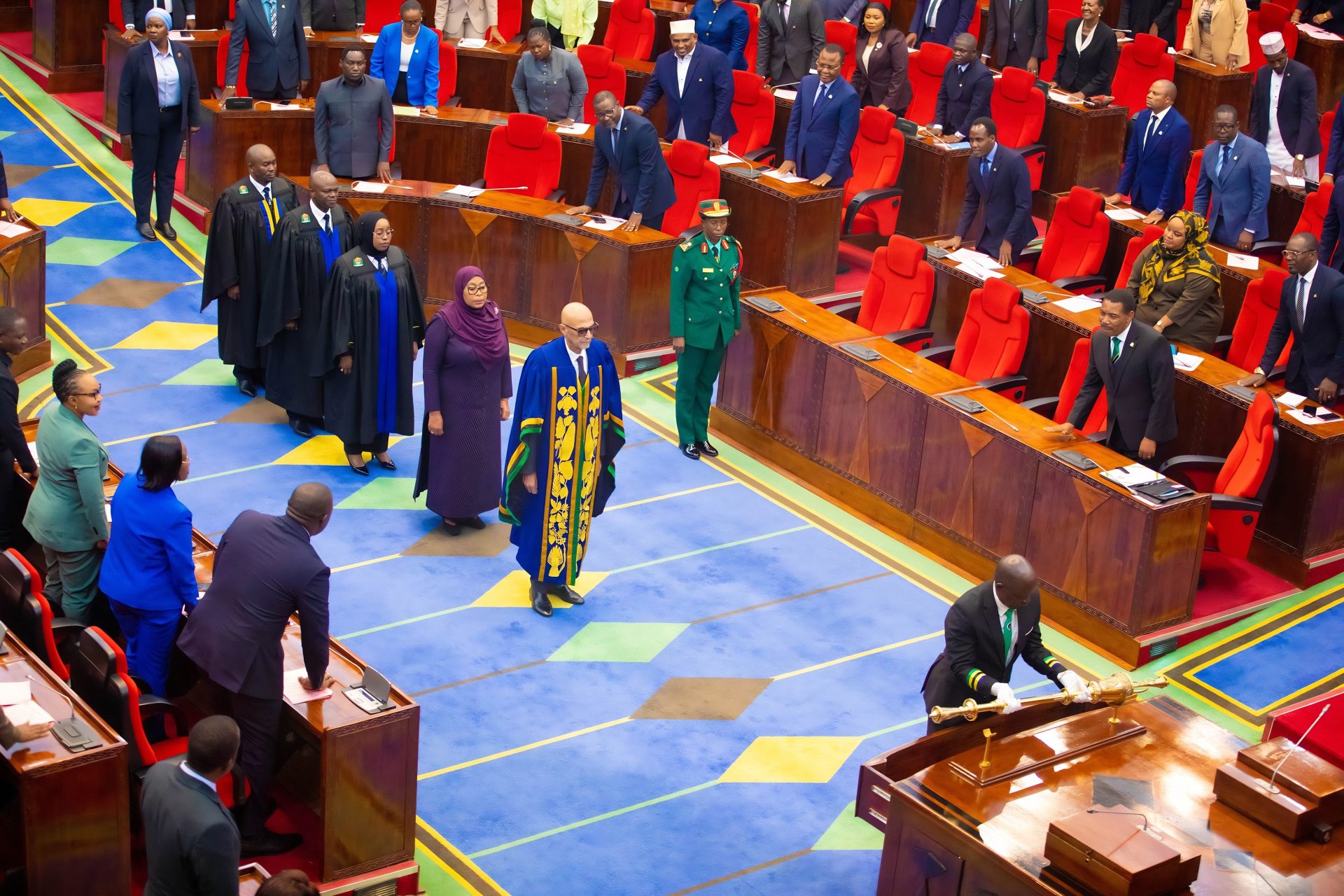 This “Solemn Moment of Reflection” was far more than a procedural formality; it was the foundational stone upon which the entire address was built. Its significance can be understood through several layers:
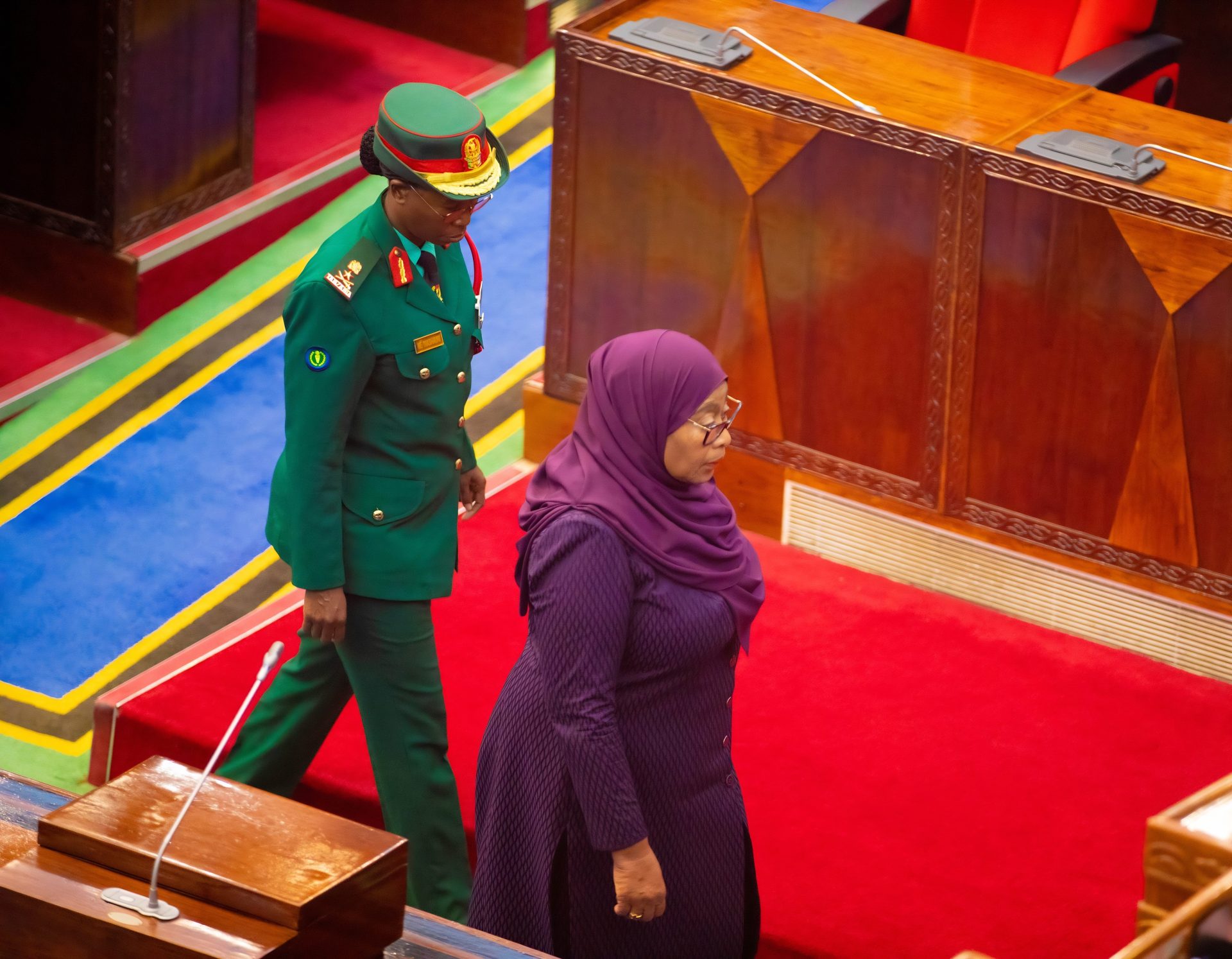 In conclusion, this “Solemn Moment of Reflection” was the moral and emotional anchor of the presidential address. It was a masterclass in leadership that understood that before a nation can run, its wounds must be tended to. By honouring the lost, acknowledging the pain, and pledging to seek the truth, President Samia sought to bind the nation’s wounds and create a unified, stable platform from which Tanzania could truly begin its journey forward, embodying the principle that to heal a tree, you must first water its roots.
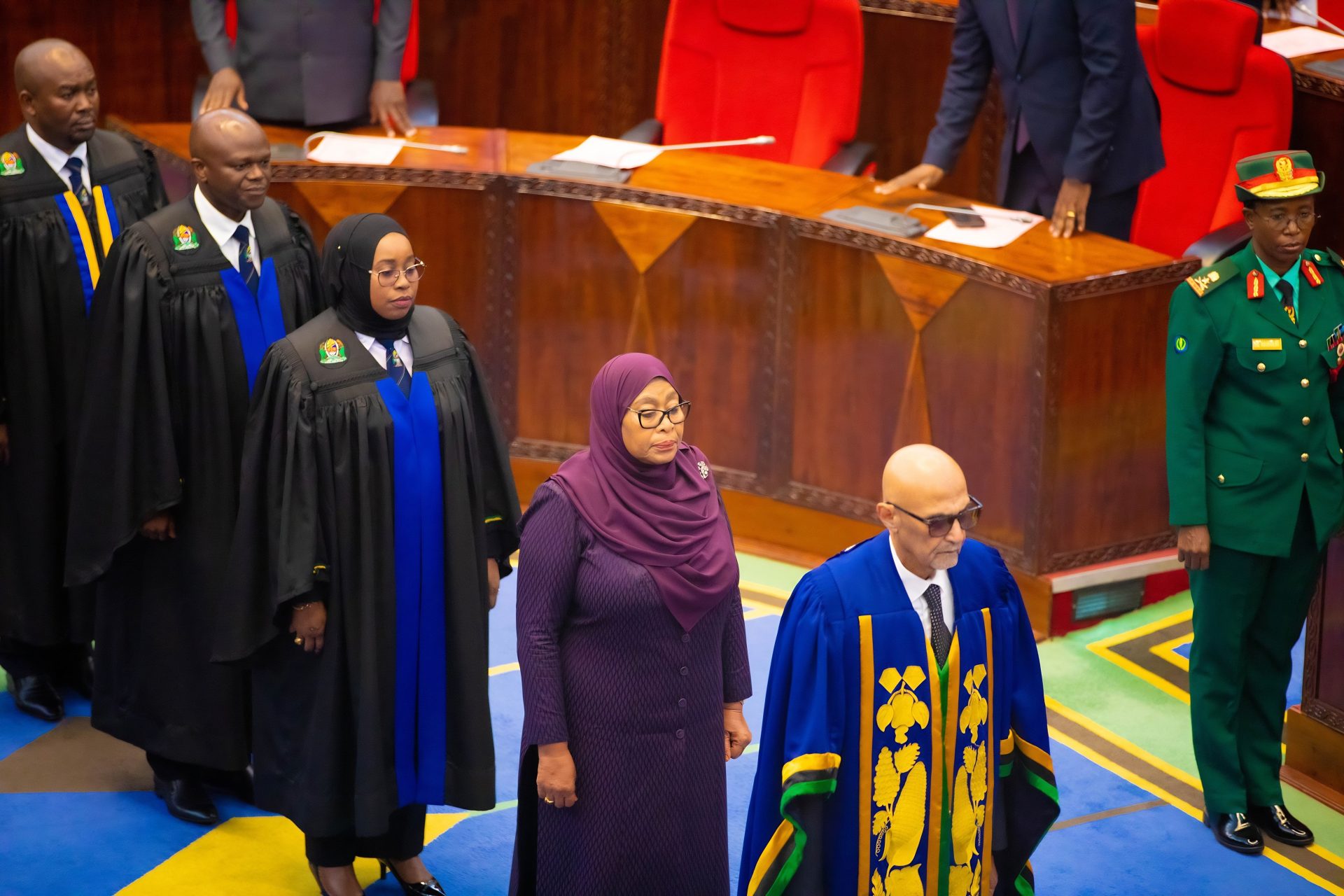 This “tree” represents the hard-won peace and stability that Tanzania has enjoyed for decades—a legacy directly attributed to the foundations laid by the first generation of leaders like Mwalimu Julius Nyerere. Its branches are the growing economy, the new universities, the improving infrastructure, and the sense of national pride. To engage in destruction is to recklessly saw through these branches, ensuring that the perpetrator will be the first to fall, crushing their own future in the process. As another fitting adage goes, “The child who does not listen to its mother’s advice will follow the vulture’s path.” President Samia was the mother offering the wise path, warning that the alternative—the path of chaos—leads only to ruin.
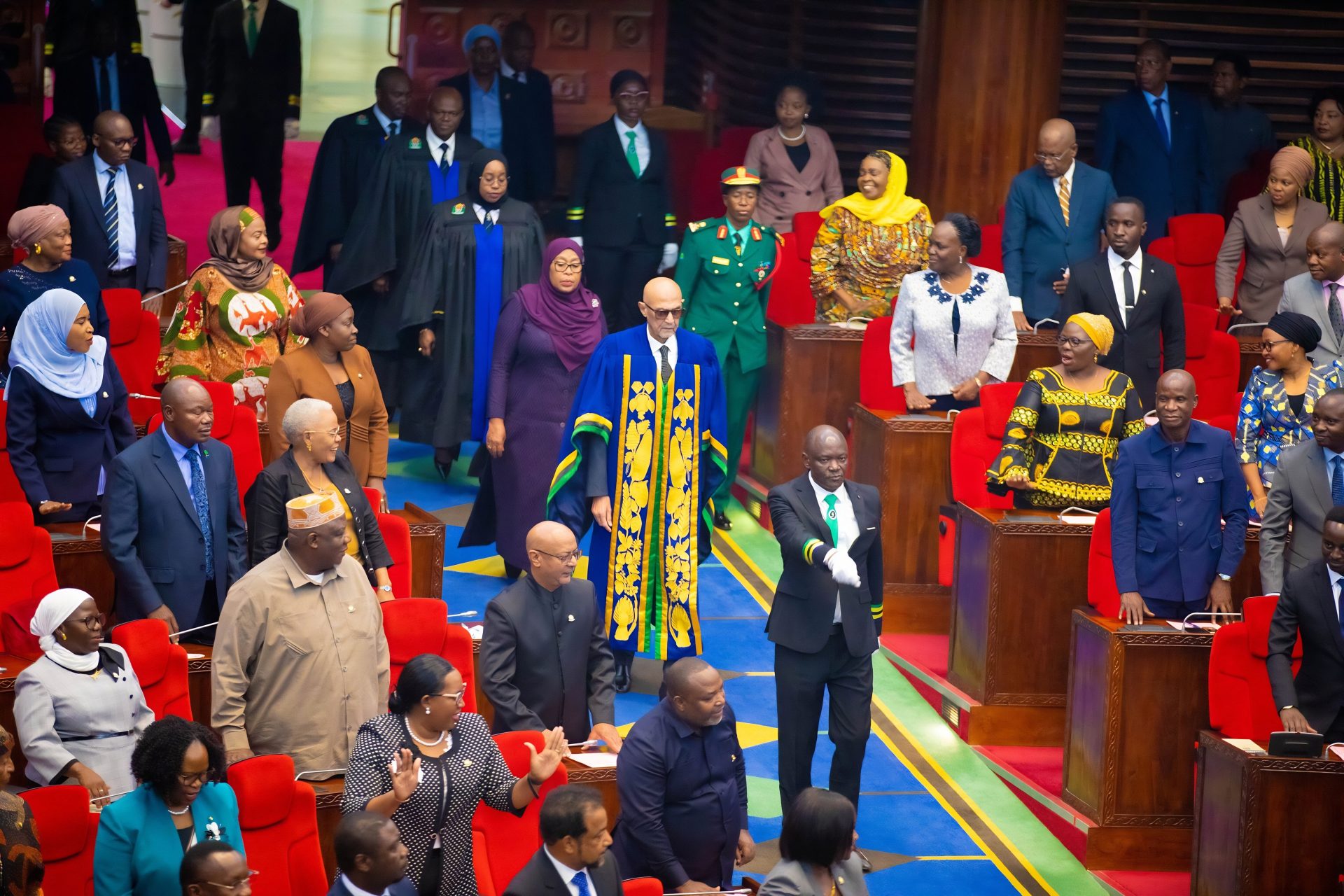 She was effectively saying, “Your energy is needed to build the roads, innovate in technology, and farm the land—not to burn and destroy what already exists.” This plea aligns with the national development vision and frames the youth not as a problem to be managed, but as the primary asset and custodians of the Tanzania to come, provided they guard the peace that makes progress possible.
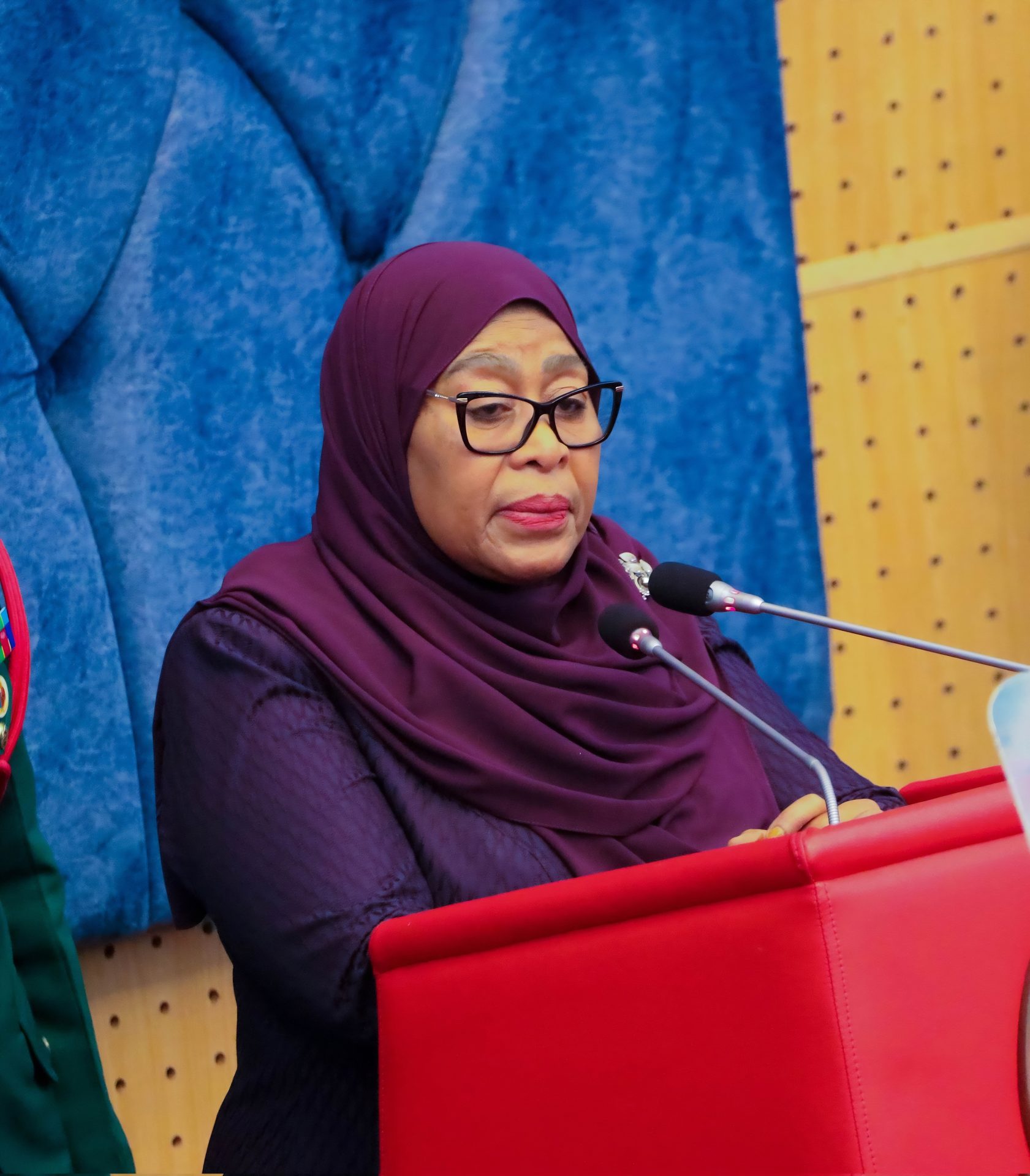 This appeal to forgiveness and understanding resonates with the Tanzanian philosophy of Umoja (Unity) and Ujamaa (Familyhood), which emphasises reconciliation and community cohesion over punitive individualism. It sent a clear message to the nation: we are a people who believe in redemption. We understand that young people can make foolish mistakes, and as a family, our first instinct should be to correct and reintegrate, not just to cast out and punish. This approach aligns with the traditional community method of conflict resolution, where elders seek to restore harmony rather than simply assign blame.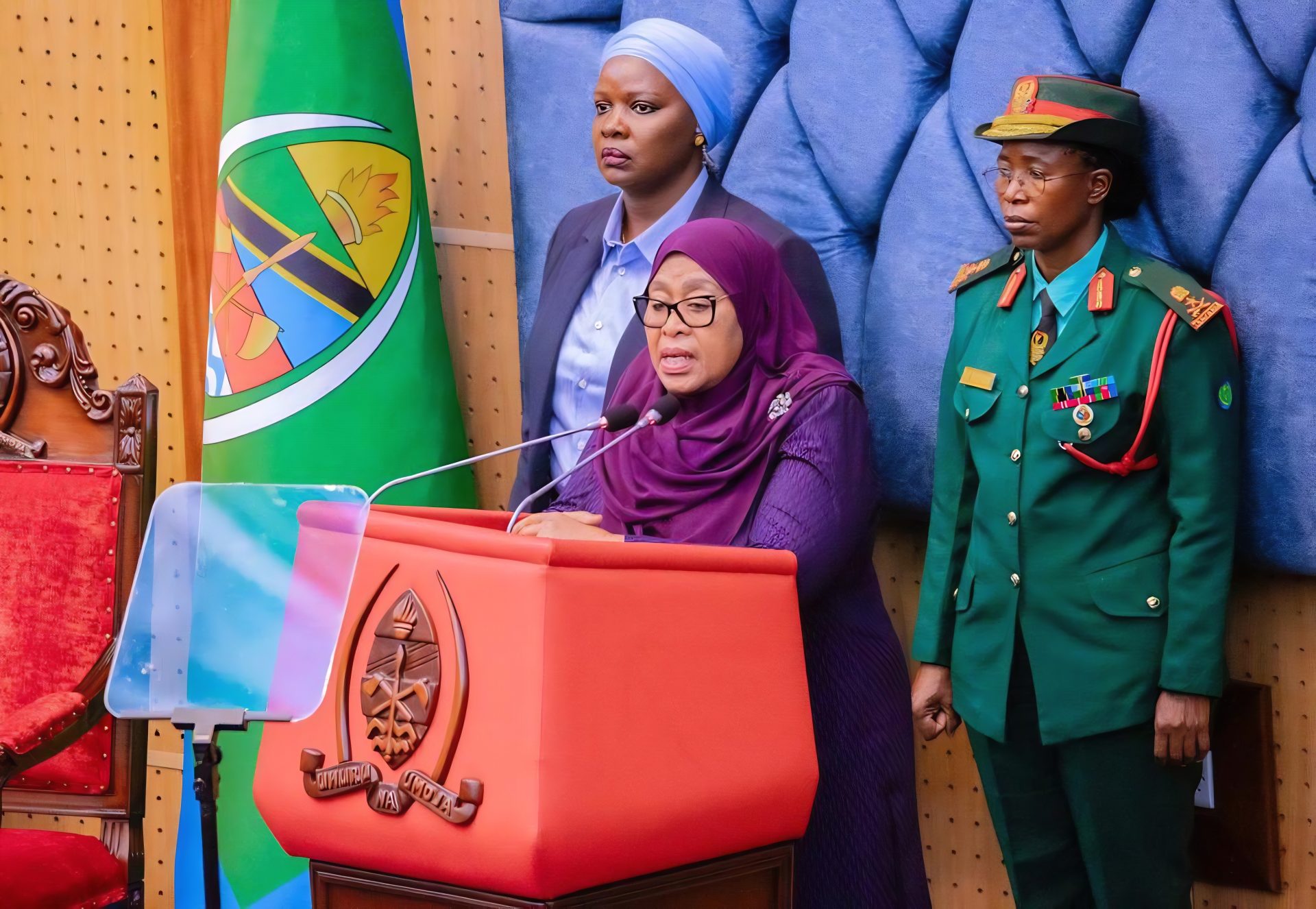
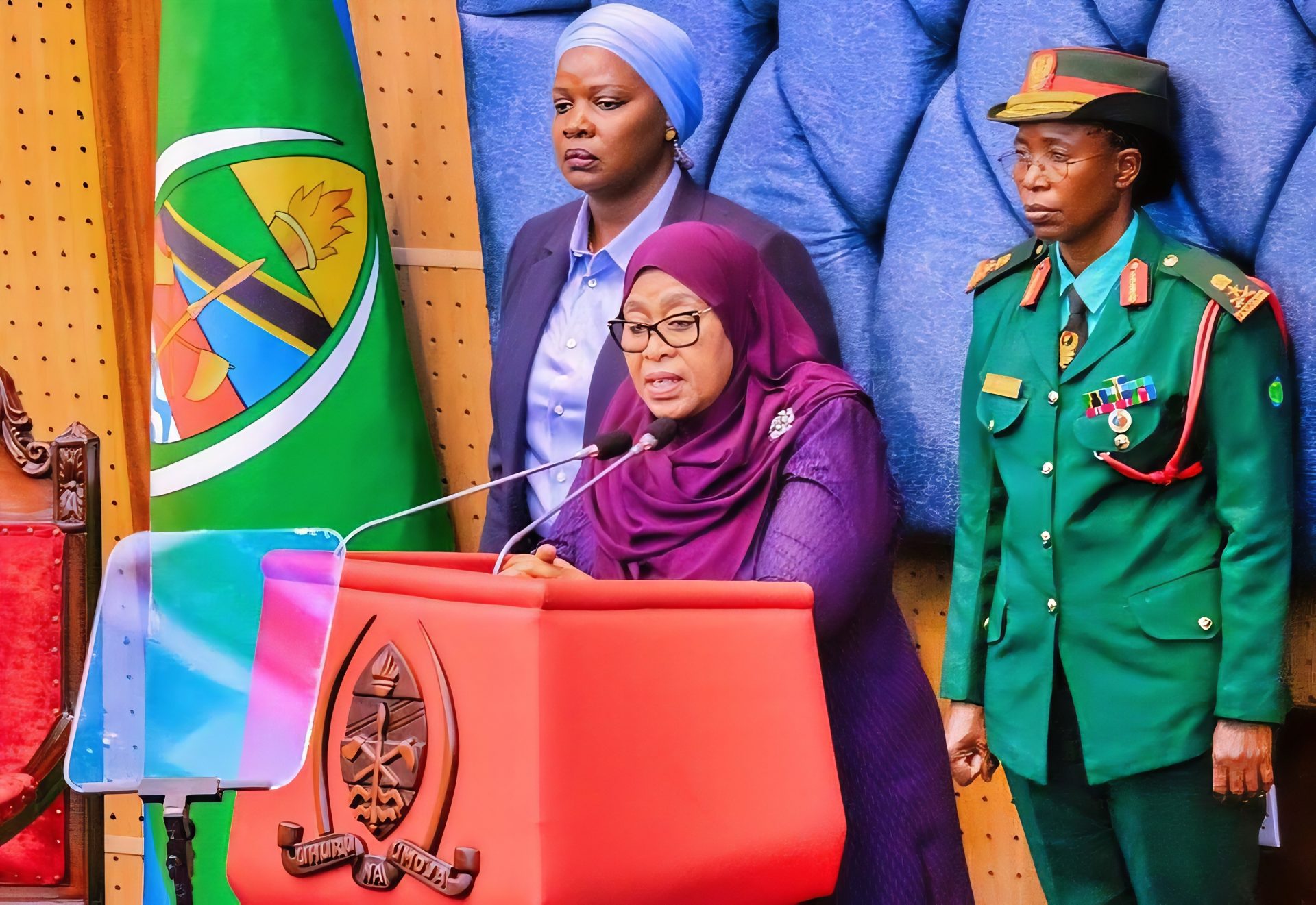 The review itself aims to build a “more inclusive political framework.” In practice, this could involve national conversations on issues such as the structure of the Union between Tanganyika and Zanzibar, the balance of power between the executive, legislature, and judiciary, and the strengthening of institutions that guarantee democratic integrity. The goal is to produce a constitution that is widely perceived as legitimate and owned by all Tanzanians, not just the ruling party.
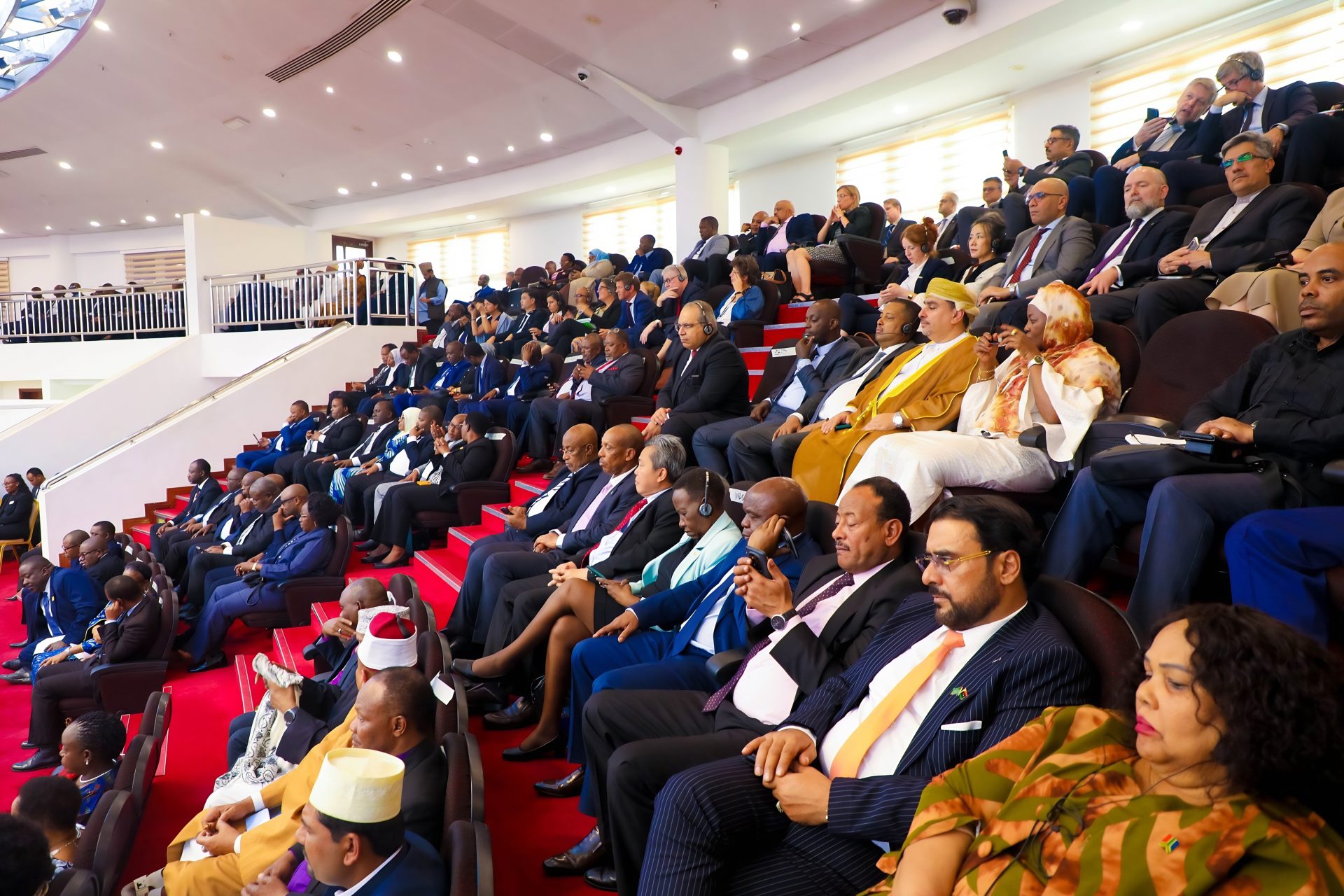 Strengthening the Union, therefore, involves a continuous process of weaving this tapestry more tightly. It means ensuring that the practical benefits of unity—a larger common market, shared diplomatic clout, pooled resources for major infrastructure projects, and a stronger defence force—are tangibly felt by all citizens, from the shores of Lake Tanganyika to the islands of Zanzibar. It is about making the case for unity not just through history lessons, but through demonstrable, shared prosperity. As the Swahili adage goes, “Umoja ni nguvu, utengano ni udhaifu” (Unity is strength, division is weakness). The President’s focus is on continuously proving that this unity translates into concrete strength for every citizen.
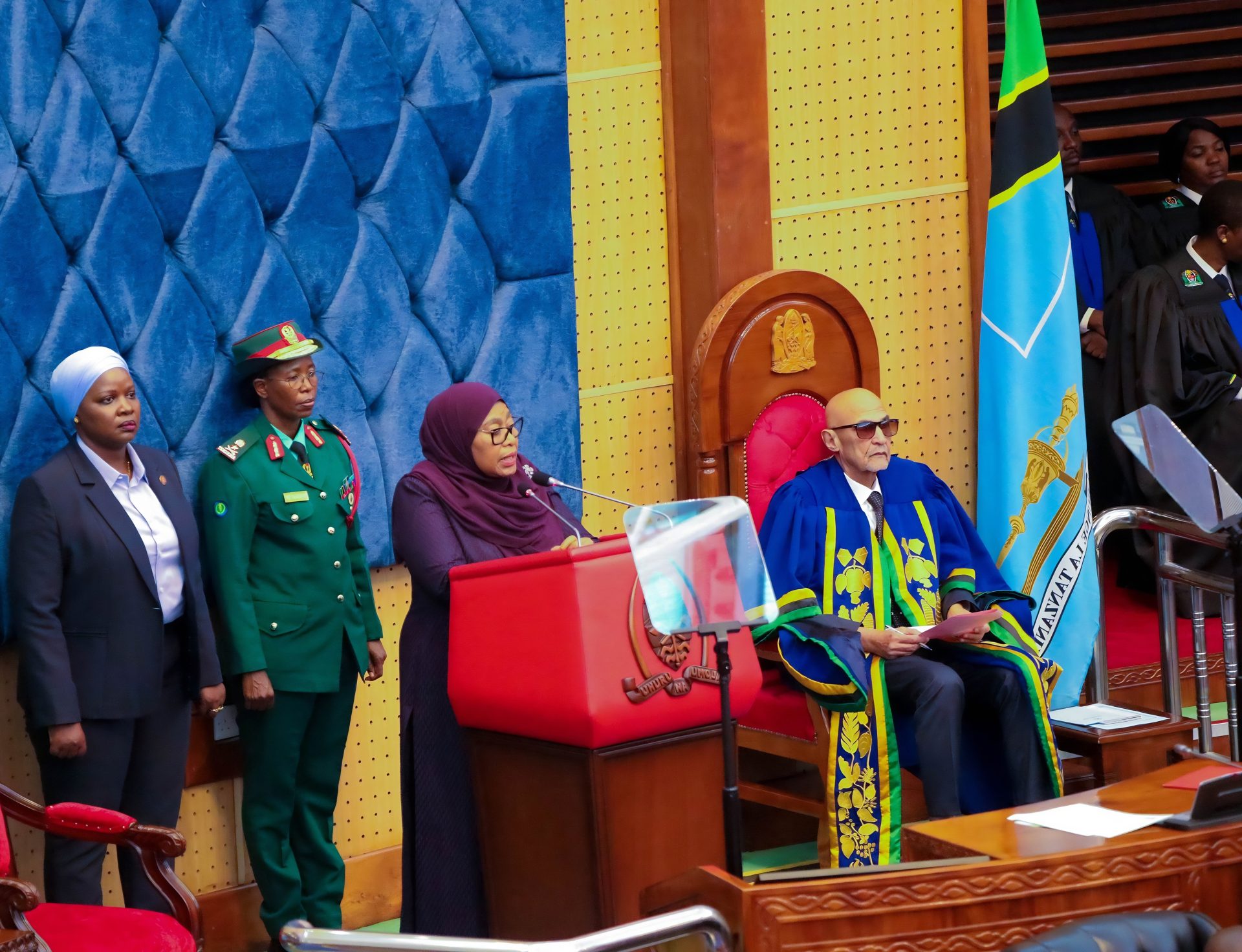 In conclusion, the pledge to strengthen the Union is the ultimate statement of long-term, strategic governance. It is an acknowledgment that Tanzania’s greatest asset is its own internal cohesion. By moving proactively to address challenges, ground the Union in tangible benefits, and secure its legacy for the next generation, the government is not just managing a political structure; it is nurturing the very soul of the nation. It is the understanding that “a forest with deeply intertwined roots can withstand the fiercest winds,” and in a world of many storms, those roots must be cared for, above all else.
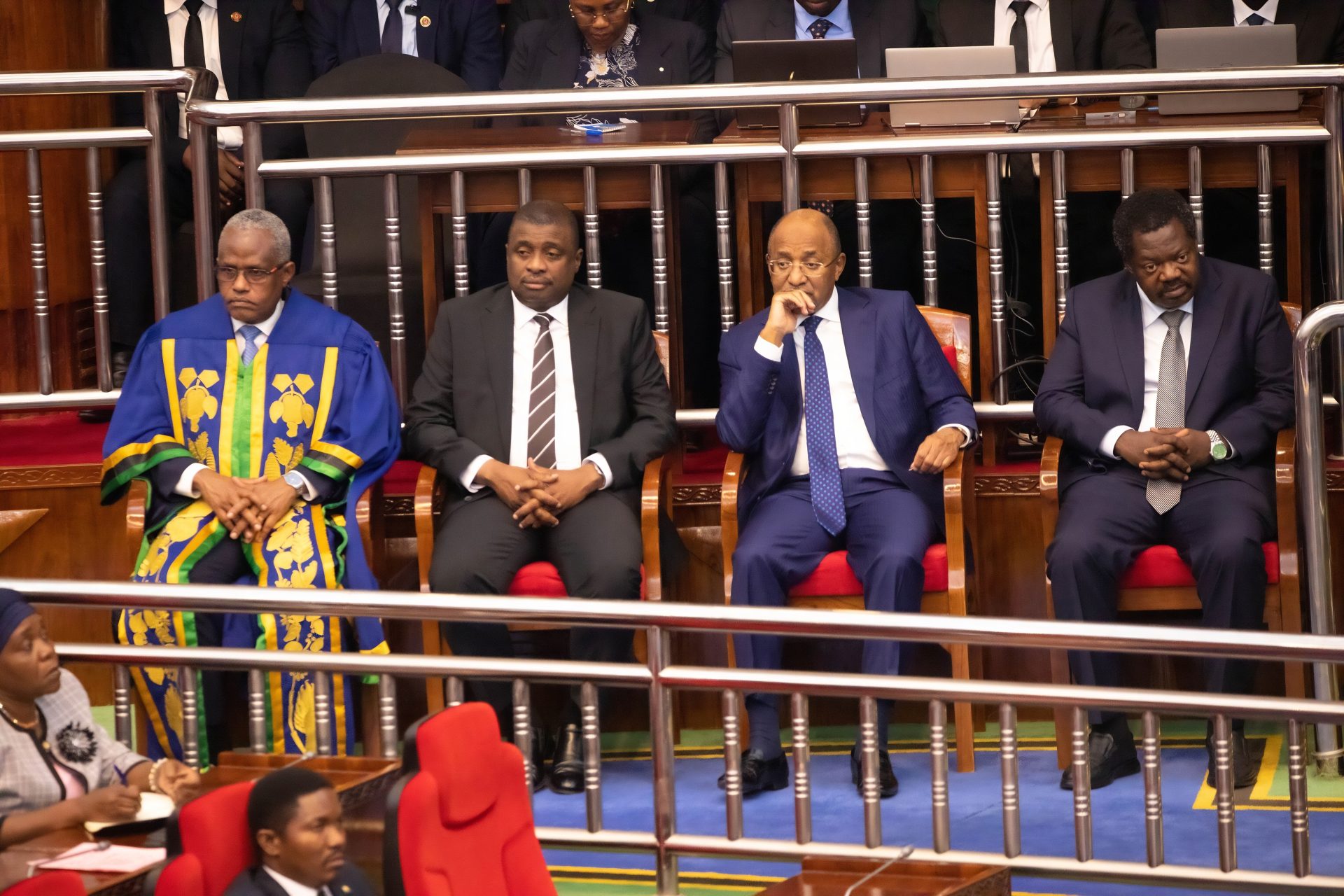 This philosophy understands that a nation’s true strength is not just in its infrastructure but in the morale and well-being of its people. As the Swahili adage goes, “Mtu ni utu” (A person is their humanity). An economy that grinds down the utu of its people, even while posting impressive growth figures, is ultimately building on sand. It creates a wealthy nation populated by frustrated, alienated, and disrespected citizens. In contrast, an economy that enhances dignity is building on the bedrock of a motivated, loyal, and cohesive populace.
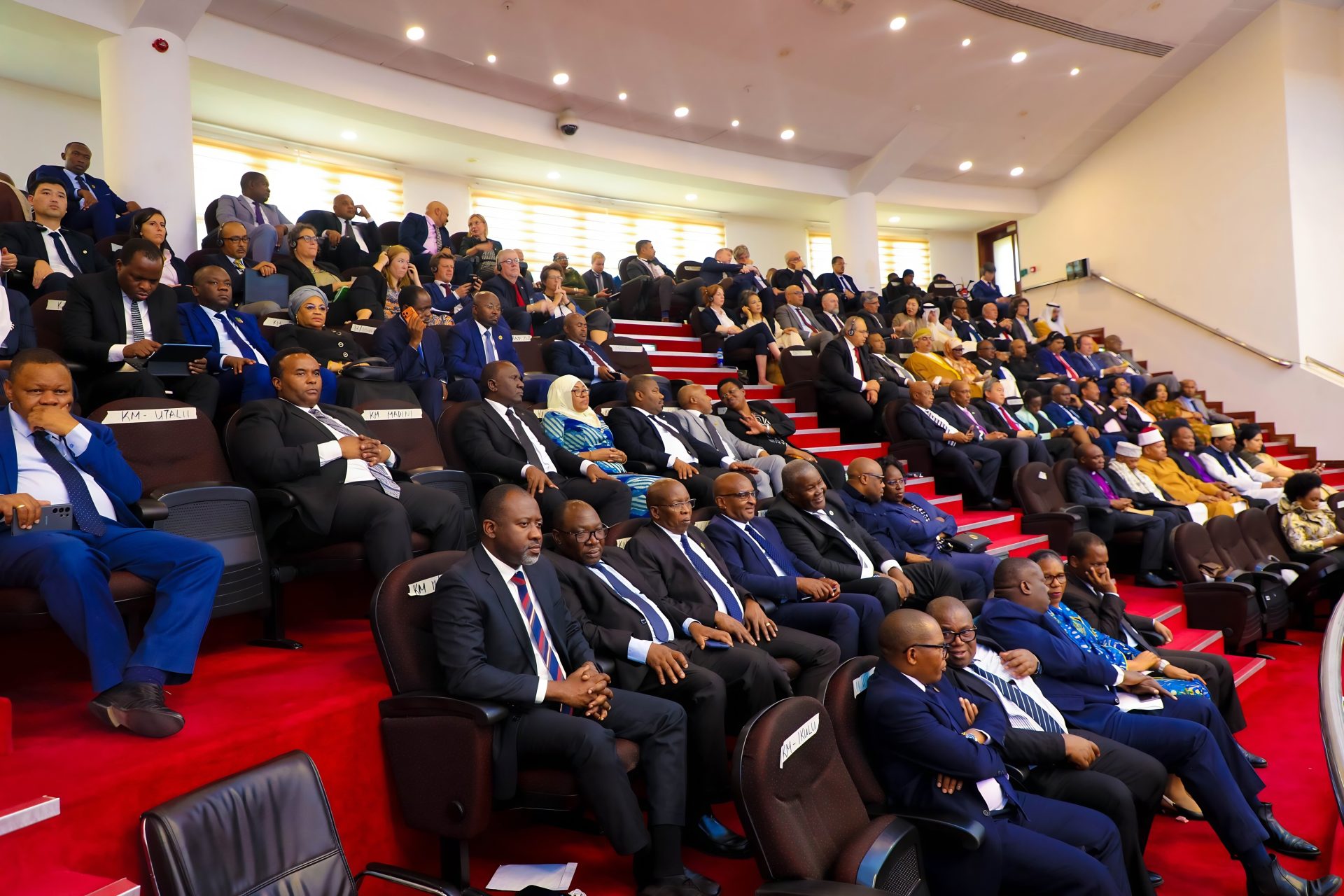 This influx can be likened to a much-needed cleansing. As the Swahili adage goes, “Mvua kubwa hupuliza mchanga mwingi” (A heavy rain washes away a lot of sand). The electoral process has acted as this heavy rain, clearing away the accumulated ‘sand’ of political stagnation and making way for new growth. These new members arrive less bound by the old ways of doing politics and potentially more willing to challenge stale orthodoxies. They bring with them contemporary expertise from fields like technology, business, and civil society, which is crucial for effectively scrutinising modern government policies and crafting legislation fit for the 21st century.
 In conclusion, the composition of this 13th Parliament is a quiet revolution. It is a decisive break from the past and a bold investment in a more dynamic, inclusive, and effective future for Tanzanian democracy. By welcoming a flood of new voices and ensuring that women’s perspectives are central to the national conversation, Tanzania has not just changed its MPs; it has proactively strengthened the very foundations of its governance. It is a recognition that “a river that cuts through a new path is both fresh and powerful,” and this renewed Parliament is poised to channel that power for the benefit of the entire nation.
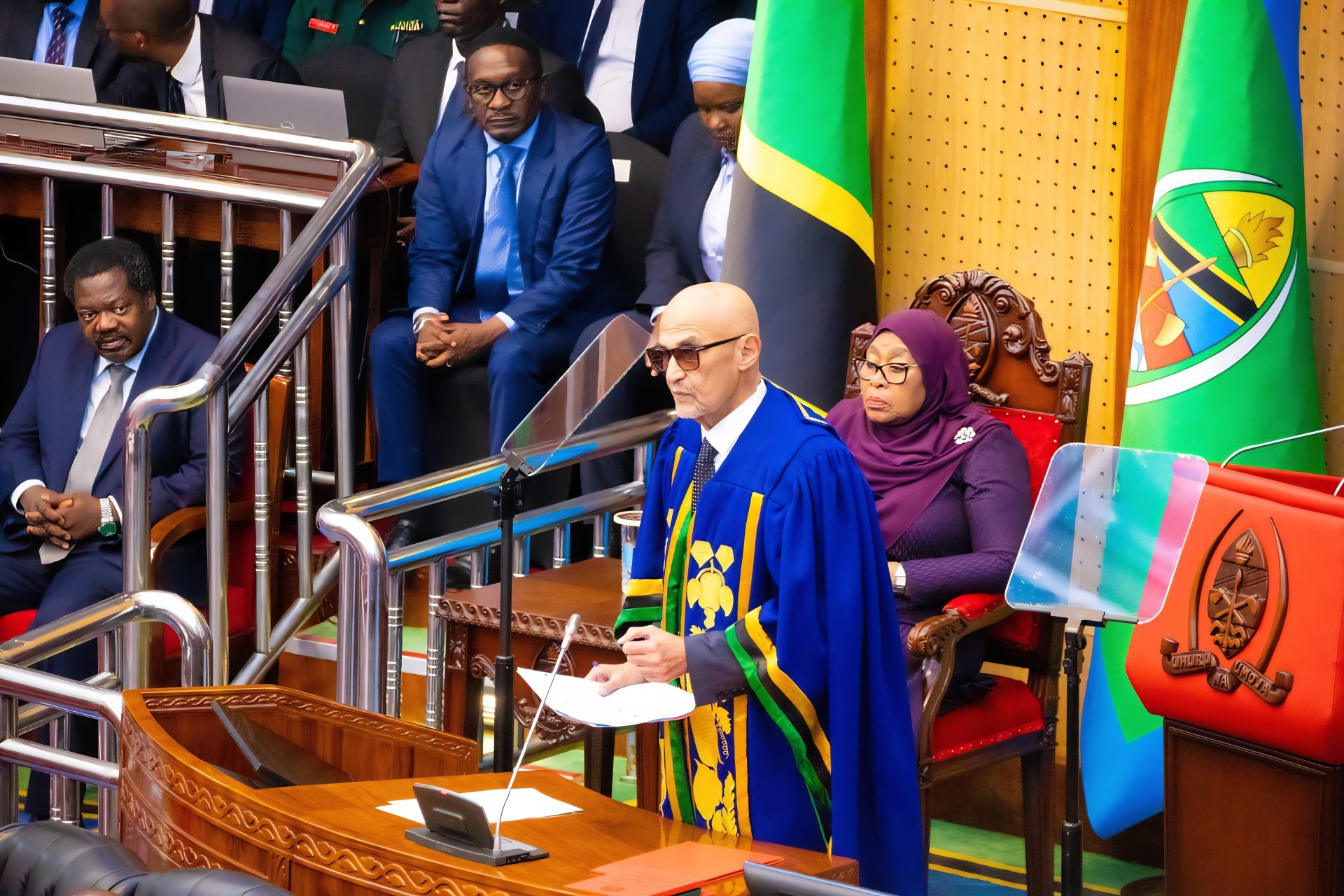 This strategy is deeply rooted in the national philosophy of kujitegemea (self-reliance). It is an understanding that true economic sovereignty and affordable living are achieved not by perpetual reliance on global markets, but by building a robust, internal economic engine. It is the wisdom of the adage, “Mchimba kisima hukosa usingizi, lakini maji ni ya kumfaa yeye na majirani zake” (The one who digs a well loses sleep, but the water benefits them and their neighbours). The government’s intensive efforts are the hard work of digging the economic well; the result will be the refreshing water of affordable goods and economic security that benefits the entire nation. By weaving this tapestry of self-reliance, Tanzania is not just tackling the cost of living, but is fundamentally re-asserting control over its own economic destiny.
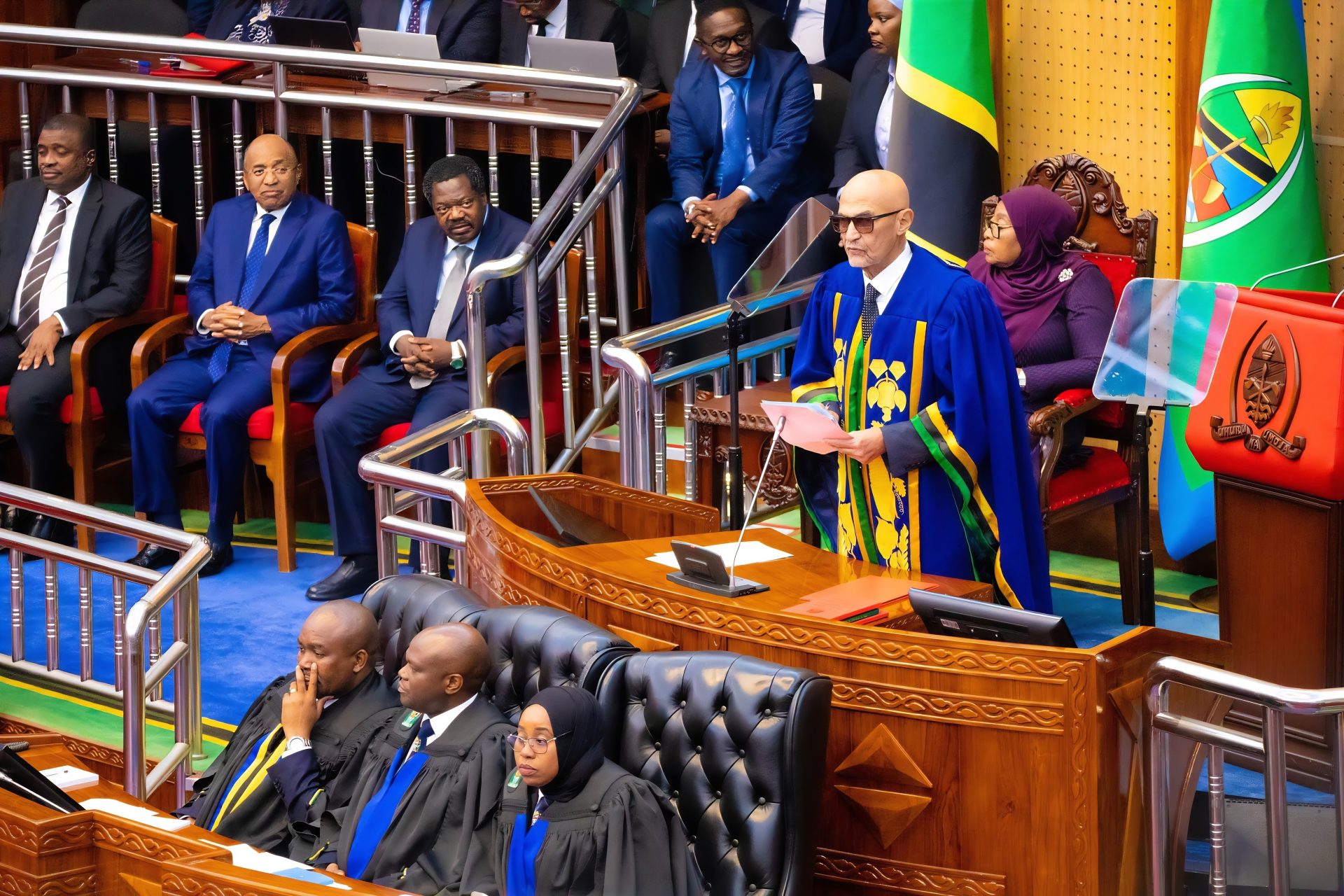 This creates a seamless pipeline from theory to practice, ensuring that the nation’s intellectual capital is directly translated into tangible economic activity. It bridges the damaging gap between academic qualifications and the practical skills demanded by the economy.
Navigating the Path Ahead: Challenges and Considerations in the Tanzanian Context
The vision set forth for Tanzania is undoubtedly bold, charting a course towards a more prosperous and equitable future. However, as with any significant journey, the map is one thing; the terrain is another. The realisation of this vision will be the true test of the nation’s resolve, requiring not just ambition but a steadfast and pragmatic approach to the complex challenges that lie in wait.
The Crucible of National Dialogue
The call for a genuine national dialogue is a commendable and necessary step towards healing and unity. Yet, its success is precarious, hinging entirely on the willingness of all political actors—the ruling party and opposition groups alike—to engage in good faith. This means moving beyond entrenched positions and rhetorical point-scoring to focus on the common ground: the betterment of Tanzania for all its citizens. Historical wariness and past political tensions cannot be allowed to poison the well. For this dialogue to bear fruit, it must be structured, transparent, and predicated on the understanding that no single party holds a monopoly on patriotism or good ideas. It is a process that requires patience and a collective commitment to the nation above all else.
The Mountain of Economic Aspirations
The ambitious economic targets—be they centred around industrialisation, modernising agriculture, or leveraging tourism—are akin to climbing Mount Kilimanjaro. The goal is clear and inspiring, but the ascent demands immense discipline, meticulous planning, and sustained investment. There can be no room for the inefficiencies of the past. The government’s focus on improving the business environment is positive, but it must be matched by a ruthless war on corruption and bureaucratic red tape that stifles innovation and deters both local and foreign direct investment. Furthermore, the focus on mega-projects must be balanced with targeted support for the Mtandao wa Uchumi (the informal sector) and Small and Medium Enterprises (SMEs), which form the backbone of Tanzanian employment. As the old adage goes, “You cannot shave a man’s head in his absence.” One cannot build a prosperous economy for the people without their central involvement; the benefits of growth must be felt in the markets of Mwanza, the shops of Moshi, and the farms of Morogoro, not just in the boardrooms of Dar es Salaam.
The Delicate Dance: Growth, Environment, and Equity
Perhaps the most continuous tightrope walk will be balancing the urgent need for rapid economic growth with the imperative of environmental preservation and social equity. Tanzania is blessed with immense natural wealth, from the Serengeti and Ngorongoro to the forests of the Eastern Arc and the aquatic ecosystems of Lake Tanganyika and the Indian Ocean. Exploiting minerals, clearing land for agriculture, or building infrastructure must not come at the cost of irreplaceable natural heritage. Similarly, a growth model that widens the gap between the wealthy and the poor is unsustainable. The government must ensure that communities living near extractive projects see tangible benefits, that land rights are respected, and that the transition to a modern economy does not leave vulnerable populations behind. This is a dance requiring great skill, where every step forward in development must be measured against its impact on the nation’s natural and social fabric.
Cultivating a Home-Grown Democracy
In acknowledging the need to learn from past mistakes and build a home-grown democracy, the government demonstrates wisdom. True democracy is not a packaged product to be imported wholesale from the West. It must be cultivated in the fertile soil of a nation’s own history, culture, and social norms. The Tanzanian tradition of Ujamaa, with its emphasis on family hood and collective responsibility, and the deeply ingrained practice of community decision-making, offer a unique foundation upon which to build. The challenge is to blend these indigenous values with universally accepted democratic principles—such as political pluralism, the protection of human rights, and the rule of law—to create a system that is both authentically Tanzanian and robustly democratic. This is not an excuse for resisting necessary reforms, but a call for a system that resonates with the people, one where authority is exercised with the consent and for the benefit of the governed, as was traditionally practised in the council of elders, the Baraza la Wazee.
In conclusion, the path ahead for Tanzania is fraught with challenges, yet it is navigable. Success will depend on an unwavering commitment to inclusive politics, disciplined and equitable economics, and an environmental and social conscience that guides every decision. By drawing strength from its own heritage while embracing pragmatic and modern governance, Tanzania can indeed realise its bold vision.
A Concluding Reflection: Dignity as the Ultimate Measure in Tanzania’s Journey
President Samia Suluhu Hassan’s address to the 13th Parliament transcended the typical function of a government policy statement. It was, in essence, a carefully woven narrative of national healing and collective ambition. By acknowledging the frustrations and constraints of the recent past while pivoting decisively towards a future built on kazi (work), umoja (unity), and—most fundamentally—heshima ya kibinadamu (human dignity), the speech sought to recalibrate the nation’s moral and developmental compass.
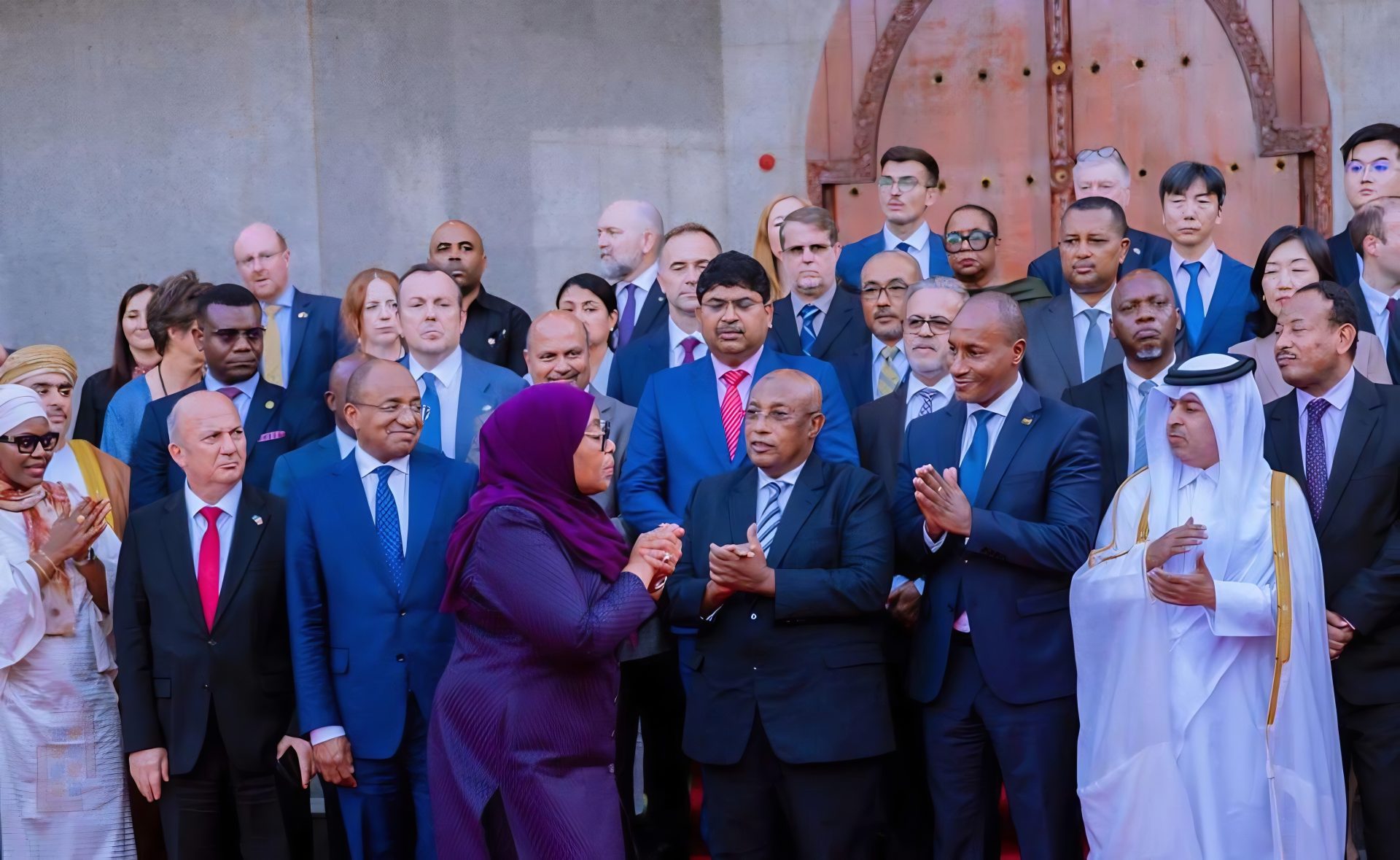 The profound resonance of her closing remarks lies in their poignant simplicity and their deep alignment with the Tanzanian psyche. The President’s prayer, that the legacy of her administration be judged not solely by “the buildings and visible things we leave behind, but also by the smile of dignity we leave on the faces of Tanzanians,” is a revolutionary reframing of success for a nation at a crossroads.
Redefining the Yardstick of Progress
For decades, the dominant narrative of development, in Tanzania and across much of the world, has been overwhelmingly quantitative. Progress was measured in megawatts of electricity generated, kilometres of tarmac road laid, and the relentless pursuit of GDP growth percentages. While these tangible outputs are undeniably important for a developing economy—powering industries, connecting communities, and creating fiscal space—they are, as the President implies, an incomplete ledger.
This new perspective posits that a new bridge in Kigoma is not truly successful if the communities it serves feel disrespected or displaced during its construction. A state-of-the-art hospital in Mtwara is only partially victorious if patients cannot afford its services or are treated without basic respect. The legacy of this administration, therefore, will be determined by the intangible yet palpable sense of hope and self-worth restored to the citizenry. It is about ensuring that economic growth translates into heshima—the dignity of a parent able to feed and educate their children without crushing hardship; the dignity of a young graduate accessing a job based on merit, not connection; the dignity of a farmer receiving a fair price for their crop; and the dignity of every Tanzanian feeling heard and respected by their government, regardless of their region, ethnicity, or political persuasion.
The Cultural Resonance of Dignity
This focus on dignity is not an import; it is deeply rooted in Tanzanian values. The concept of utu (humanness, virtue) in Swahili philosophy encapsulates the idea that one’s humanity is affirmed through respectful and ethical relations with others. The founding philosophy of Ujamaa, despite its economic complexities, was fundamentally about mutual respect and collective well-being. President Samia’s message, therefore, taps into a foundational cultural ideal. It acknowledges that a nation cannot be built on concrete and steel alone, but must be cemented by the mutual respect between the government and the governed.
As a wise Swahili adage goes, “Mtu ni watu” — “A person is people.” This profound proverb speaks to our interconnectedness and the fact that an individual’s humanity and dignity are realised through their community. A government’s success, by this measure, is seen in the flourishing of its people collectively. A development project that empowers a community, that makes its members stand a little taller, is fulfilling this ideal. Conversely, a project imposed from on high, which ignores the community’s voice, violates this very principle, even if it is physically impressive.
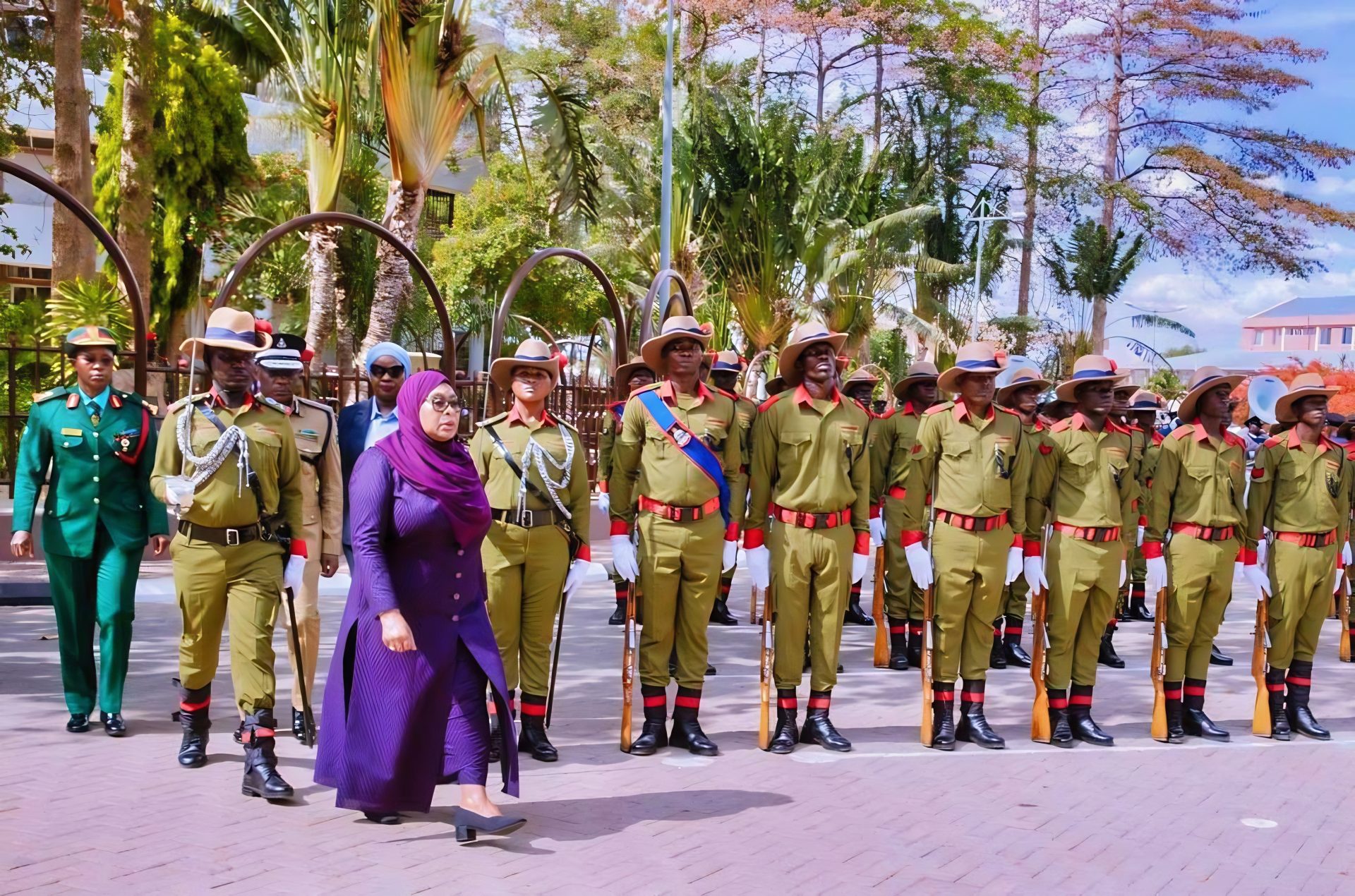 In conclusion, as Tanzania embarks on this critical new chapter, the world watches with anticipation. The bold vision outlined is powerful, but its ultimate test will be in its translation into the daily lived experience of the ordinary Tanzanian. The shift from a development paradigm focused purely on physical infrastructure to one that prizes human dignity as its core metric is both ambitious and essential. If this vision can be made tangible—if it can indeed put a smile of dignity on the faces of farmers in Songea, traders in Mwanza, and fishers in Zanzibar—then Tanzania will have forged a development model that is not only successful but truly sustainable and profoundly human.
Tanzania Media

- In Mpanda, a Call for Peace Meets a Cry for Justice: The Complex Dialogue Between Police and Citizens - 18 November 2025
- Complete List of New Tanzanian Ministers and Deputy Ministers Announced - 17 November 2025
- A New Chapter for Tanzania: Unity, Progress, and Human Dignity - 15 November 2025
RELATED PUBLICATIONS:
 Celebrating 61 Years of Tanzania’s Union: A Legacy of Resilience and Hope Under Dr. Samia Suluhu Hassan
 Introduction: The history of the Tanzanian armed forces
 In Mpanda, a Call for Peace Meets a Cry for Justice: The Complex Dialogue Between Police and Citizens
 Faith and Governance: The Significance of the National Prayer Event for President Samia Suluhu Hassan
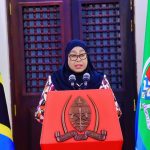 Complete List of New Tanzanian Ministers and Deputy Ministers Announced
 CELEBRATING 60 YEARS OF TANZANIAN UNION: A TESTAMENT TO UNITY AND PROGRESS
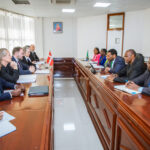 NEW INTERNATIONAL COOPERATION STRATEGY FOR TANZANIA AND DENMARK
 The Legacy of the Father of the Nation: Tanzania’s Torch of Freedom and National Unity
 Unlocking Tanzania’s Potential: Diversifying Exports Beyond Gold and Cloves
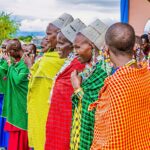 Monduli District Shines as a Model of Participatory Governance Ahead of 2025 Polls
 From Liberation to Economic Partnership: The Legacy of Tanzania and Namibia Relations
 Jurisdiction in Tanzanian Law: A Complete Guide to Court Powers & Legal Boundaries
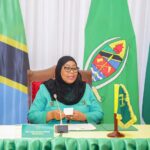 MEETING OF THE CENTRAL COMMITTEE OF THE CENTRAL COUNCIL OF CCM TAIFA
 PRESIDENT SAMIA SULUHU HASSAN ATTENDS THE EID EL-FITR PRAYER
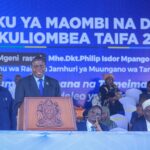 VICE PRESIDENTS PRAY FOR THE UNION OF TANGANYIKA AND ZANZIBAR
 CELEBRATING FARMERS’ DAY: A LANDMARK EVENT IN DODOMA
 Development Projects in Misungwi District
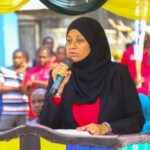 Justice Takes Center Stage in Pemba: Mama Samia National Legal Aid Campaign Launched
 Tanzania and Russia Join Forces: A New Era in Tourism Collaboration
 Simplifying Tax Processes in Tanzania: Strategies for Compliance and Growth
 Swahili Horoscope: Usomaji wa Nyota ya Kiswahili wa kila wiki, Juni 16 hadi Juni 22
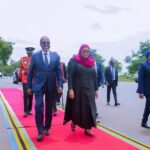 A DIPLOMATIC VISIT BY THE PRESIDENT OF SOMALIA TO TANZANIA
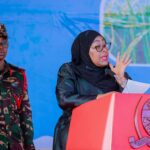 President Samia Suluhu Hassan Directs Reactivation of Cashew Nut Factory in Tunduru
 Tanzanian Economy: Exchange Rates and Economic Impact