

The Digital Town Square: How Social Media is Shaping Tanzanian Politics
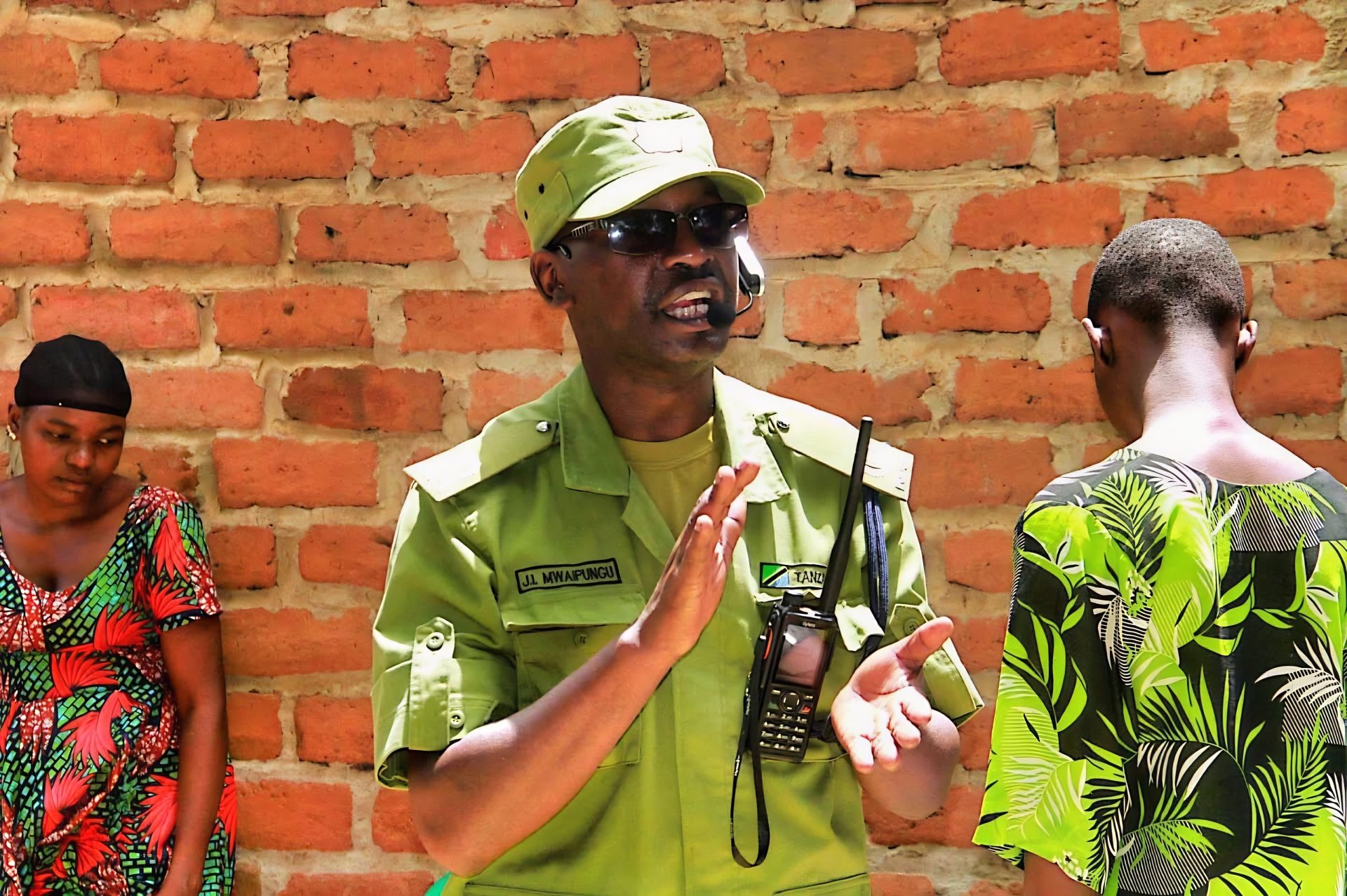
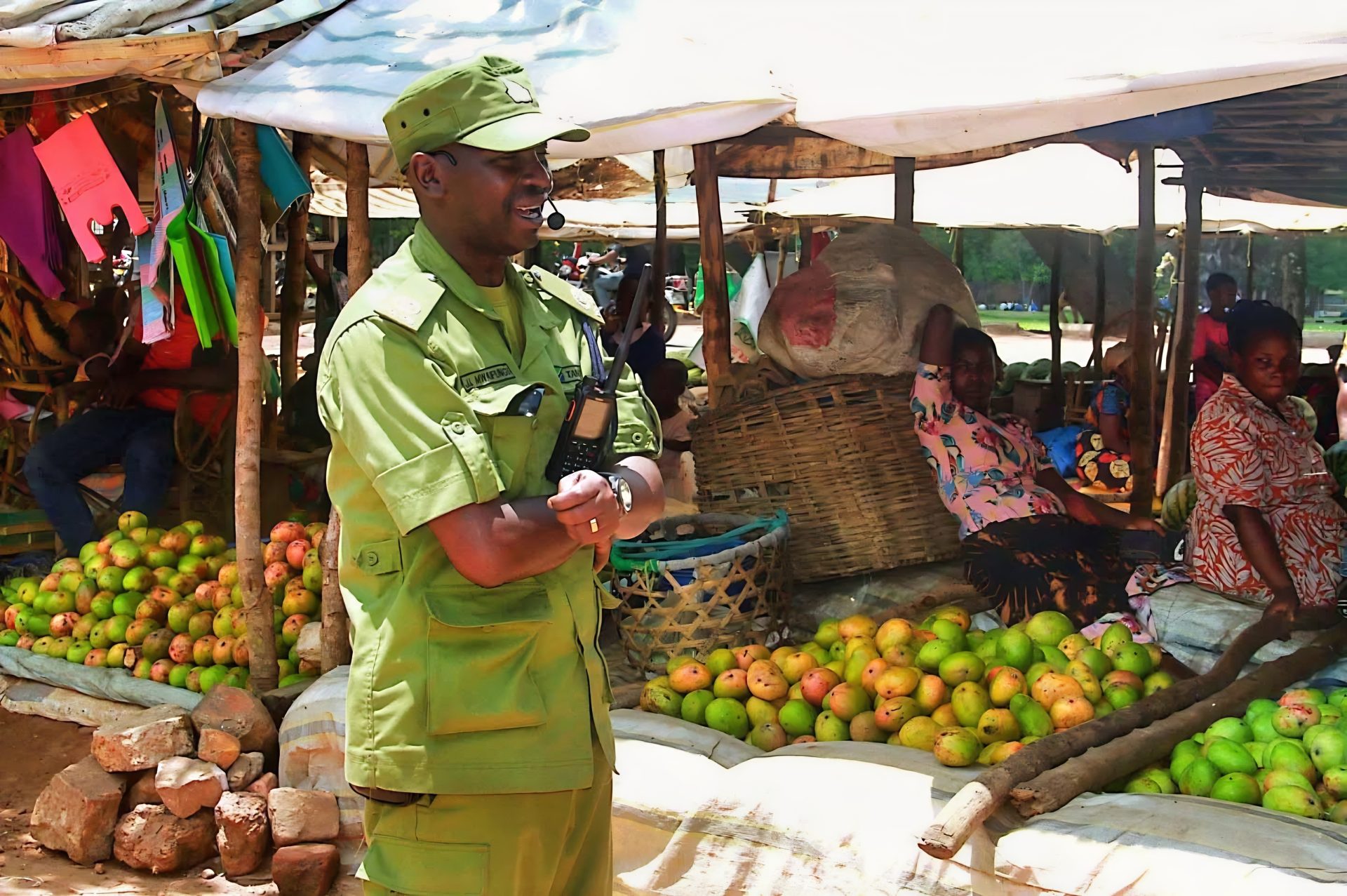
In the bustling heart of Mpanda, a routine police address to market traders has ignited a national conversation, exposing a profound rift at the core of Tanzanian society. When Katavi Regional Community Police Officer, Superintendent John Mwaipungu, stood before businesspeople at the Mpanda Hotel market to preach the imperative of peace, he could not have anticipated the fiery digital backlash that would follow. This article provides a penetrating analysis of that pivotal event, moving beyond the headlines to explore the raw public sentiment that flooded social media. We delve into the powerful philosophical clash between the state’s doctrine of stability and the citizens’ fervent cry for justice, articulated by voices like Pascal Russambi and Mwl Max Mtumishi. Examining the deep-seated crisis of trust in the police, the economic despair fuelling dissent, and the potent symbolism of movements like the #9D ‘day of reckoning’, this piece uncovers the complex tapestry of modern Tanzanian governance. Through the lens of Swahili adages and the uncompromising logic of the digital town square, we ask the critical question facing the nation: Can a lasting peace be built without first laying a foundation of genuine justice and accountable governance? Join us as we dissect the sermon, the response, and the precarious future of Tanzania’s social fabric.
In the vibrant, sun-drenched heart of Mpanda, Katavi, a scene unfolds that is replicated across Tanzania: a police officer addresses a gathering of market traders. The air, thick with the scent of ripe fruit and fresh vegetables, carries a familiar message of peace and order. Yet, beneath this placid surface, a digital tempest rages. The official plea, shared on social media, has not landed in a vacuum of quiet acceptance, but has instead ignited a fiery national conversation, exposing a deep and painful rift between the state and its citizens. This is not merely a story about a community meeting; it is a microcosm of a nation at a crossroads, asking one of the most fundamental questions a society can face: can there be true peace without justice?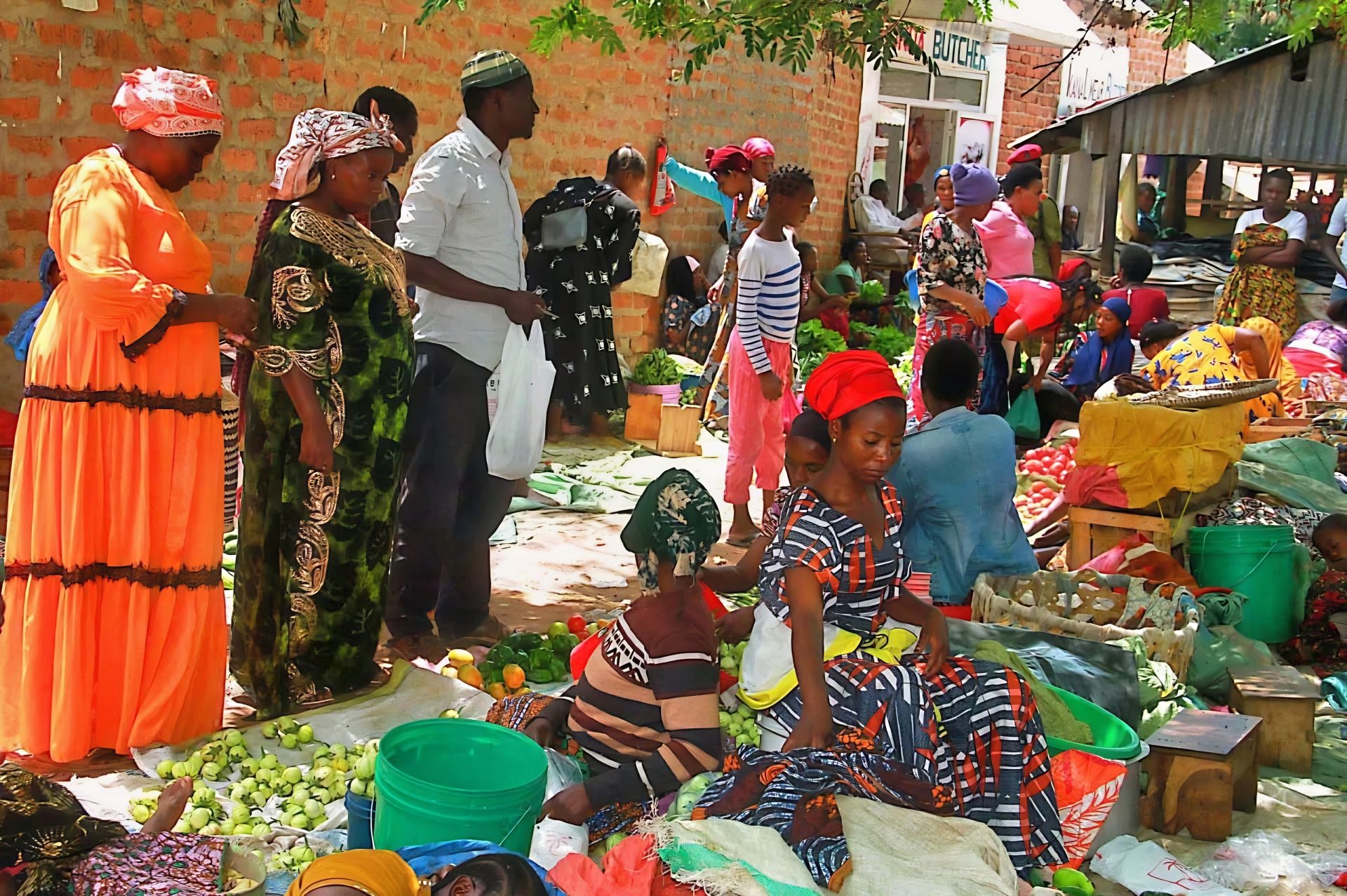
Here are ten key points that explore the complex dialogue between the police and the people of Tanzania.
-
The Official Narrative: Deconstructing the Preventative Sermon on Stability
In the bustling, dust-hazed atmosphere of the Mpanda Hotel market, where the scent of ripening mangoes mingles with the earthy smell of freshly dug potatoes, a scene of profound symbolic importance unfolded. Superintendent John Mwaipungu’s address to the traders was far more than a routine security briefing; it was a carefully articulated performance of state authority, designed to reinforce a specific social order. To understand its full weight, one must look beyond the words themselves and examine the narrative being constructed, a narrative deeply rooted in a particular vision of Tanzanian society.
1. The Framing of a “Fragile Peace”
The core of SP Mwaipungu’s message rests upon a foundational claim: that the peace enjoyed by the community is both “hard-won” and inherently “fragile.” This framing is strategic. It evokes a collective memory of past instabilities, perhaps alluding to broader national histories or more localised tensions, and positions the current state of calm as a precious but vulnerable commodity. By doing so, the narrative creates a sense of shared vulnerability, making the call for protection a logical and urgent one. It subtly suggests that any disruption, regardless of its cause, risks shattering this delicate equilibrium and returning society to a less desirable past. There is an old Swahili adage that perfectly encapsulates this worldview: “Amani haizungushwi mkono.” (“Peace is not maintained by circling the hand” – meaning, peace requires active, deliberate effort and constant vigilance, it is not self-sustaining). The police, in this narrative, are that necessary, active force.
2. The Police as Guardians, Not Servants
Within this framework, the police are not positioned as public servants responding to the community’s needs, but as its guardians. This is a critical distinction. A servant is accountable to those they serve, whereas a guardian assumes a paternalistic role, tasked with protecting a populace perceived as susceptible to manipulation. SP Mwaipungu’s specific warning for the youth and businesspeople to avoid being used as “pawns by those with ill intent” reinforces this hierarchy. It implies that the ordinary citizen lacks the agency or discernment to navigate complex social and political currents, and therefore requires the guidance and protection of the state’s security apparatus to avoid being led astray.
3. The Catalogue of Consequences: A Deterrence Strategy
The Superintendent’s “grim catalogue” of violence’s consequences—death, injury, shattered families, economic ruin—is a classic tool of deterrence. However, its effectiveness relies on a universal acceptance of the premise. By listing these dire outcomes, the narrative directly links any form of social disturbance, including legitimate protest, to an inevitable spiral of utter devastation. The ruin is portrayed not just as personal, but as national, threatening the economic progress of the entire country. This broad-brush approach seeks to delegitimise any action that could be labelled as disruptive by associating it with the worst possible outcomes, thereby encouraging self-censorship and inaction among the populace.
4. The Omission of Root Causes
The most significant feature of this official narrative is what it deliberately omits. While it fervently addresses the symptoms of potential unrest (the “vurugu” or chaos), it remains conspicuously silent on the root causes of the discontent that might fuel such unrest. There is no acknowledgement of the specific grievances that might make people sympathetic to “those with ill intent”—grievances such as perceived economic marginalisation, corruption, land disputes, or a lack of access to justice. The narrative is constructed as a one-way warning: the threat comes from external agitators preying on a gullible public, not from any systemic failures or unmet public demands that the state might need to address. The solution offered is not reform, dialogue, or accountability, but simply heightened vigilance and a reinforced trust in the police.
Conclusion: A Narrative of Control, Not Conversation
In essence, the official narrative delivered in Mpanda is a powerful sermon on maintaining the status quo. It is a top-down communication designed to foster a culture of risk-aversion and dependency. By invoking the spectre of a fragile peace, positioning the police as its indispensable guardians, and vividly illustrating the catastrophic costs of deviation, it seeks to pre-emptively quell dissent. However, as the vibrant public reaction demonstrates, this narrative is increasingly being met with scrutiny. For many Tanzanians, the proverb “Amani haizungushwi mkono” cuts both ways: true, lasting peace requires more than just vigilance against chaos; it requires the active, just, and equitable governance that addresses the very grievances the official narrative so carefully avoids. The sermon on stability, therefore, is not just a call for order, but a revealing insight into a deepening dialogue—or lack thereof—about power, justice, and the future of the nation.
2. The Digital Town Square: A Raw Tapestry of Public Sentiment
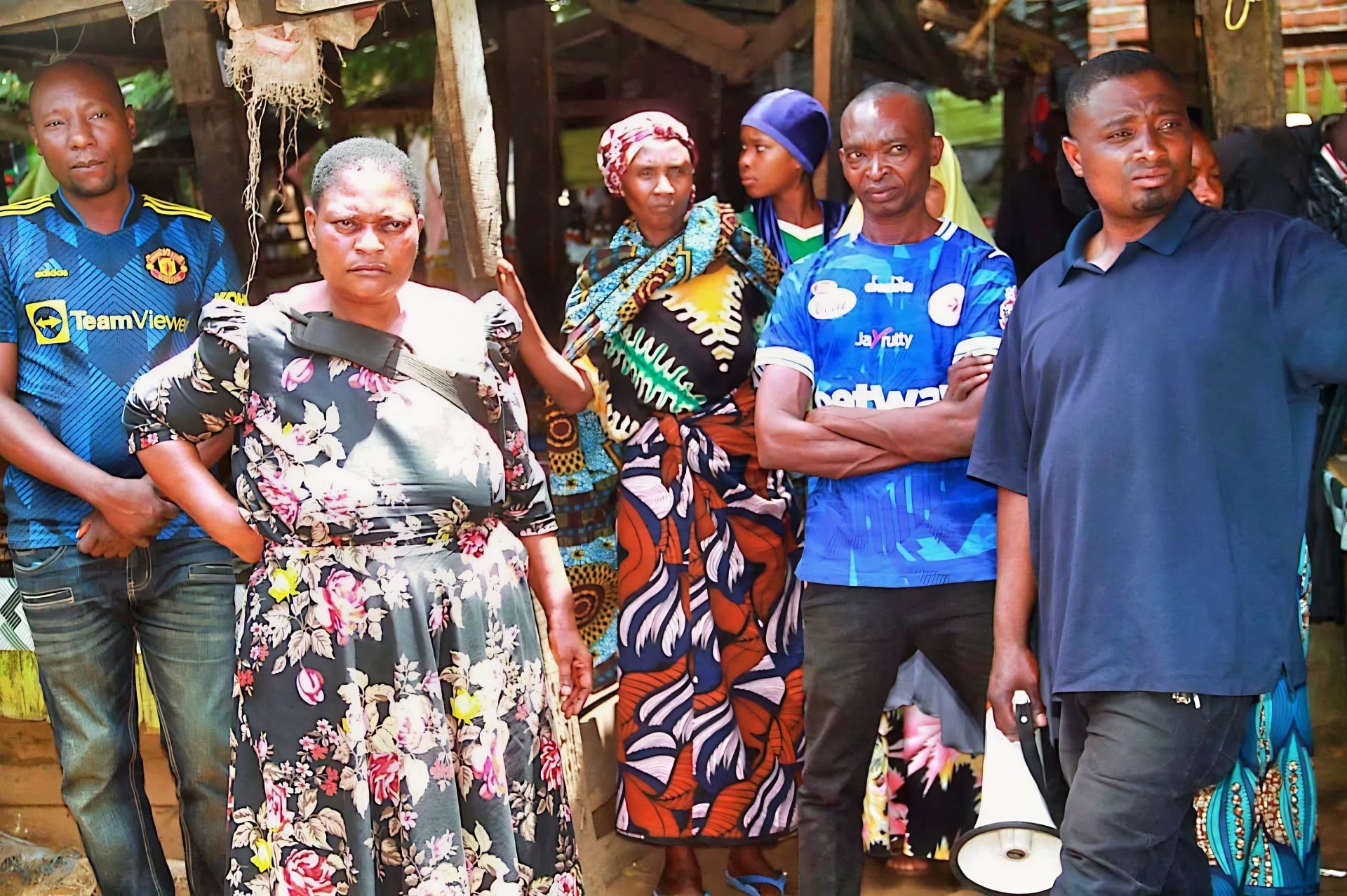
In the wake of Superintendent Mwaipungu’s address in Mpanda, the story did not end with the dispersing crowd. It migrated, finding a new and far more volatile life in the digital realm. Social media platforms—particularly the vibrant, Swahili-dominated spaces on Facebook and X (formerly Twitter)—transformed instantaneously into a modern-day baraza la umma, a digital town square where the official, polished narrative was subjected to the rigorous, unfiltered scrutiny of the public. This was not a curated press conference; it was a raw, organic, and often chaotic outpouring of sentiment that revealed a chasm between the state’s perception and the lived reality of its citizens.
 To understand this phenomenon is to move beyond seeing it merely as “comments under a post.” It is to recognise it as a fundamental shift in the dynamics of public discourse in Tanzania.
1. The Baraza Goes Digital: An Unmediated Space
Traditionally, a baraza is a physical gathering—under a tree, in a village square—for discussion and dispute resolution. The digital space has become its 21st-century equivalent, but with critical differences: it is largely unmediated by elders or authority figures, it is instantaneous, and its reach is vast. When the police post their message, they are not speaking to a passive audience; they are stepping into this square and inviting a response. The resulting torrent of comments, from every corner of the nation, represents a form of direct democracy in action, however messy it may be. It is the voice of the wananchi (citizens) speaking back to the serikali (government), without the traditional filters.
2. The Raw Tapestry: Beyond Silent Gratitude
The official narrative likely anticipated quiet assent or, at worst, silent disagreement. What it received was a “loud, collective sigh of frustration.” The comments section became a vibrant tapestry woven with threads of anger, sarcasm, disillusionment, and desperate appeals for justice. This raw quality is its most defining characteristic. Unlike the carefully worded press release, the public’s response is immediate and emotional. It includes personal anecdotes of police brutality, memes lampooning official rhetoric, and furious questions about missing relatives or corrupt local officials. This lack of polish is not a sign of irrationality, but of authenticity—it is the sound of a public that feels it has no other outlet to be heard.
3. The Revelation of the True National Mood
This digital tapestry offers an invaluable, real-time gauge of the national mood that often escapes formal surveys and state-controlled media. The discontent revealed was not a fringe sentiment but appeared widespread and deeply felt. It showed that for a significant portion of the populace, the police’s “sermon on peace” was fundamentally disconnected from their daily struggles. The narrative of a “fragile peace” being guarded by the state was being directly challenged by a counter-narrative that asked: What peace? The peace of quiet suffering? The peace of economic stagnation? The peace of unanswered grievances?
There is a powerful Swahili adage that speaks to this very dynamic: “Ukiona zinduna na uvumi, usihofu; uvumi ndio mkuku wa haki.” (“If you see slander and rumours, do not fear; rumours are the cock’s crow for justice.”) In this context, the often-chaotic, sometimes abrasive noise of the digital town square is not something to be dismissed as mere gossip or negativity. Instead, like the crow of a rooster heralding the dawn, it is a vital, early alarm—a clamorous indication that deep-seated issues of injustice are simmering beneath the surface, demanding to be addressed before true peace can ever be realised.
4. A Counter-Narrative of Grievance and Agency
The comments did not just express frustration; they constructed a detailed counter-narrative. While the police spoke of external “ill intent,” the public spoke of internal failures: a deficit of trust in the police themselves, economic anxiety about the future, and a profound sense of political marginalisation. Commenters like Jonas Jonas, who spoke of shattered dreams for his children, were not pawns; they were agents articulating a clear cause and effect. They argued that stability cannot be demanded while the pillars of justice and opportunity are crumbling. In the digital square, the public reasserted its agency, refusing the passive role of “pawns” and instead positioning themselves as critical stakeholders whose consent for the “peace” must be earned, not assumed.
Conclusion: The Unignorable Echo
The transformation of a social media thread into a digital town square is a pivotal development in Tanzanian society. It demonstrates that the official narrative can no longer be delivered as a monologue. It will be answered, challenged, and dissected in a public forum that the state does not control. For the authorities, this noisy, uncomfortable, and raw tapestry is not a nuisance to be silenced, but a critical feedback mechanism. To ignore it is to risk becoming profoundly out of touch with the people they serve. The digital baraza is now in permanent session, and its chorus, however dissonant it may seem, is the unignorable echo of the nation’s true voice.
3. The Core Philosophical Clash: The Unbreakable Bond Between Peace and Justice
Beneath the specific grievances about corruption and unemployment voiced in the digital town square lies a far deeper, more fundamental conflict—a philosophical schism over the very meaning of peace. The police appeal in Mpanda and the public’s furious response represent two irreconcilable definitions of a stable society. This is not a mere disagreement over policy, but a clash between a vision of peace as order and a vision of peace as justice.
1. The Official Doctrine: Peace as the Absence of Conflict
The position articulated by Superintendent Mwaipungu is one of negative peace. This concept defines peace simply as the absence of overt violence, chaos, or public disturbance. From this perspective, the primary role of the state is to maintain public order, ensure the smooth functioning of commerce, and prevent any actions that could disrupt the societal status quo. It is a pragmatic, top-down approach that prioritises stability above all else. In this framework, a quiet street, a bustling market without protest, and a silent populace are the ultimate indicators of success. The police, as guardians of this peace, focus on deterring the symptoms of discontent—the demonstrations, the riots, the “vurugu”—without necessarily needing to address the underlying causes.
2. The Public Rebuttal: Peace as the Presence of Justice
The public’s response, crystallised in Pascal Russambi’s statement—”Rights bring peace, and you cannot have peace if rights are denied”—champions the concept of positive peace. This is a far more profound and demanding ideal. Positive peace is not merely the absence of violence, but the active presence of conditions like justice, equity, and equal opportunity. It is the peace that comes from knowing your family is safe from arbitrary arrest that your business won’t be shuttered by a corrupt official, and that your children have a fair chance to prosper. As commentator Waziri Asangalwisye argued, this kind of peace is a natural byproduct of “justice, humanity, and love”; it cannot be legislated or commanded into existence.
This perspective reframes the entire debate. The public argues that the police are not guarding true peace at all, but are instead enforcing a “peace of the grave,” a stagnant and oppressive quietude where grievances fester and rot the social fabric from within.
3. The Symptom vs. The Disease
This leads directly to the powerful medical analogy emerging from the public discourse: the authorities are accused of “treating the symptoms while ignoring the disease.”
-
The Symptom (as seen by the state): Public protests, social unrest, and verbal dissent online.
-
The Disease (as diagnosed by the public): Systemic injustice, economic disenfranchisement, and the denial of basic rights.
From this viewpoint, arresting a protestor is like taking a painkiller for a burst appendix—it may provide temporary relief, but it does nothing to address the life-threatening infection beneath. The public insists that true healing, and thus true peace, can only come from surgery: from tackling the root causes of the illness, which are institutionalised injustice and a lack of accountability.
4. The Tanzanian Adage: Apathy is Not Peace
A deeply resonant Kiswahili adage encapsulates perfectly the fallacy of prioritising order over justice: “Amani ya ukame, mavuno hayafiki.” This translates to, “The peace of the dry season does not guarantee a harvest.”
This proverb is a masterful critique of the official narrative. The “dry season” represents a period of imposed calm and superficial quiet. The land is still, and there is no storm, but this stillness is barren and unproductive. Nothing can grow. Similarly, a society where people are silenced through fear or force may be quiet, but it is not fruitful. It cannot yield a harvest of innovation, trust, or genuine communal well-being. The public, through their comments, are demanding the “rain” of justice—the essential ingredient that will allow the seeds of their labour and aspirations to actually grow. They are rejecting the barren “peace of the dry season” enforced by the state and insisting on the fertile peace that only justice can provide.
Conclusion: An Unbreakable Bond
Ultimately, this philosophical clash reveals that peace and justice are not separate goals to be balanced, but two sides of the same coin. You cannot have one without the other. A peace built on injustice is a ticking time bomb; a justice sought through perpetual conflict is a self-defeating prophecy. The official narrative attempts to pry them apart, seeking peace first with justice as a distant, secondary concern. The public’s visceral reaction is a powerful assertion of an ancient truth: they are an unbreakable bond. To quote another timeless axiom, “Where there is no justice, there can be no peace.” The roaring discontent in Tanzania’s digital spaces is the sound of a people no longer willing to accept the peace of the dry season, and who are now, loudly and insistently, demanding the rain.
4. A Deep-Seated Crisis of Trust: When the Shield Itself is Perceived as Broken
In any society, the relationship between the public and the police is foundational, built on a sacred covenant: the citizenry cedes the monopoly of force to the state, and in return, the state guarantees protection and justice. In Tanzania, the furious public response to the police’s appeal in Mpanda suggests that this covenant is perceived as broken. This is not a superficial complaint but a profound crisis of trust, where the institution mandated to uphold the law is now widely considered operating outside it, or at the very least, as being selectively blind to its application.
1. The Historical and Cultural Context: From “Sungusungu” to Suspects
To understand the depth of this crisis, one must appreciate the historical role of community security in Tanzania. Traditionally, concepts like “Sungusungu”—community-based patrols—embodied a model of policing that was local, accountable, and integrated. The modern police force, by contrast, can be perceived as a distant, top-down institution. When this institution then appears to fail in its most basic duties, the betrayal feels particularly acute. The police are not just state actors; in the public imagination, they have strayed from their role as protectors of the communal whole.
2. The Unresolved Cases: The Wound That Cannot Heal
Commenters like Solomon Bussa, who pointed to unresolved cases of kidnappings and murders, are highlighting more than just investigative incompetence. They are pointing to a fundamental breach of the social contract. When a citizen reports a crime and receives no justice, it signals that the state does not value their safety or their loss. Each unresolved case is an open wound, not just for the victim’s family, but for the entire community that hears about it. It becomes proof that the system is not working for the ordinary mwananchi. This creates a pervasive sense of vulnerability, where people feel that in their most desperate hour—when a loved one is missing or killed—the state will not be there for them. This erodes trust at its most elemental level.
3. The Corruption Allegation: A Two-Tiered System of Justice
The allegation made by commentators like July Jengo—that there exists a two-tiered system of justice—is perhaps the most corrosive to public trust. This is the perception that petty offenders are pursued with vigour, while the powerful and well-connected act with impunity. This manifests in several ways:
-
The “kitu kidogo” syndrome: The expectation of small bribes for routine services.
-
Political protection: The perception that individuals with political or economic influence are immune from prosecution.
-
Selective enforcement: Laws that are used aggressively against certain groups while being ignored for others.
This creates a profound sense of injustice and cynicism. It leads the public to believe that the law is not a shield for all, but a weapon to be wielded by the powerful against the weak. When people see a young street vendor harassed for a licence while a well-connected businessperson flouts regulations openly, the message is clear: justice is a commodity, not a right.
 There is a powerful Swahili adage that speaks directly to this erosion of moral authority: “Mwizi wa kuku ashindwe na wakulima.” This translates to, “The chicken thief should be shamed by the farmers.” The profound meaning is that for an authority to have legitimacy, it must first be beyond reproach itself. A chicken thief cannot pass judgement on other thieves. When the police—the institution meant to catch the “thieves”—are themselves accused of being corrupt or partial, they lose all moral standing to enforce the law or preach about peace. The “farmers”—the public—see the hypocrisy and withdraw their consent.
4. The Consequence: Redefining the Police Role
This comprehensive erosion of trust leads directly to the sharp critique voiced by Shonny Alusa: “the job of the police is to provide security, not peace.” This is a critical distinction.
-
Security is considered a technical, actionable duty: preventing crime, investigating robberies, and managing traffic. It is what the public believes the police should be doing.
-
Peace, in the context of the police appeal, is viewed as a political project. It is seen as a demand for public passivity and quietism in the face of injustice.
By venturing into what is perceived as “political messaging,” the police are seen as overstepping their mandate. The public’s reaction implies: “Focus on catching the criminals and solving the murders. Do your actual job competently and impartially, and ‘peace’ will naturally follow. Do not lecture us about peace while you fail to provide the security and justice that would make peace possible.”
Conclusion: The Broken Covenant
The crisis of trust is therefore not a simple public relations problem; it is a fundamental breakdown in the relationship between the state and its citizens. Until the institution can demonstrate, through transparent action, that it serves the law without fear or favour, its appeals for peace will be met with the derision and anger seen in the digital comments. Rebuilding this trust requires more than speeches; it requires a consistent, visible, and unwavering commitment to justice that proves the “chicken thief” has been truly shamed, and that the shield of the people has been restored.
5. The Economic Undercurrent: When the Ladder of Opportunity is Pulled Away
Beneath the political rhetoric and the philosophical debates over justice, there pulses a more visceral and daily felt reality: the grinding pressure of economic despair. The comment from Jonas Jonas, lamenting that his dreams of “investing in our children” are being crushed, is not an isolated grievance. It is a powerful articulation of a widespread anxiety that strikes at the very heart of the Tanzanian social contract—the belief that through hard work and education, one can build a better future for the next generation. When this belief erodes, the resulting disillusionment becomes a potent catalyst for social unrest, fuelling the perception that disruptive action may be the only option left.
1. The Crushing of Intergenerational Aspirations
In Tanzania, as across much of the world, the family unit is the cornerstone of society, and the welfare of one’s children is the primary motivator. The aspiration to educate one’s children, to see them enter a profession, and to elevate the family’s standing is a powerful driver of social stability. Parents endure immense hardship with the hope that their children’s lives will be easier. When individuals like Jonas Jonas express that these dreams are being “crushed,” they are describing a fundamental failure of the intergenerational promise. This is not merely about personal struggle; it is about the collapse of a future-oriented narrative. When parents can no longer see a path for their children to prosper, their own daily struggles can feel meaningless, breeding a deep-seated and volatile form of despair.
2. The Youth and the “Nothing to Lose” Calculus
This despair is particularly acute among the youth. Tanzania has a vast and vibrant young population, full of energy and ambition. Yet, when this ambition is met with a landscape of limited opportunity—characterised by rampant youth unemployment, underemployment, and a perception that success is tied to connections rather than merit—a dangerous calculus begins to form. The sentiment shifts from “What can I build?” to “What do I have to lose?” A young person with no job prospects, no faith in the system to provide one, and no belief that their voice matters through conventional channels may begin to see disruption not as a risk, but as a rational choice. The appeal of movements that promise change, even through chaotic means, grows exponentially when the status quo offers only a dead end.
3. The Informal Sector: Precariousness as a Way of Life
The context of the police address—a market in Mpanda—is crucial. The wafanyabiashara (businesspeople) of Tanzania’s vast informal sector are the engine of the economy, yet they operate in a state of perpetual precariousness. They face multiple, overlapping pressures:
-
Kodi na ushuru (Taxes and levies): Often experienced as an arbitrary burden enforced by officials, rather than a fair contribution to public services.
-
Corruption and rent-seeking: The constant threat of having to pay “kitu kidogo” (a little something) to operate peacefully.
-
Lack of social safety nets: No pensions, sick pay, or insurance against market shocks.
For these traders, the police’s call for “peace” can sound like a demand to accept this precariousness without complaint. When the economic system feels rigged against you, and the authorities tell you to be peaceful, it can be interpreted as an instruction to quietly accept your lot. This transforms economic frustration into a political issue.
A poignant Swahili adage captures this dynamic perfectly: “Maji ukiyavulia nguvu, hutarajiwa kuwa na utomoko.” This translates to: “If you draw water with great force, you should expect a splash.”
This proverb is a profound commentary on cause and effect. The “water” is the economic productivity and labour of the people. The “great force” is the immense pressure they are under—the struggle to survive, the weight of corruption, the lack of opportunity. The “splash” is the social and political disruption that the authorities fear. The adage serves as a warning: you cannot systematically crush the economic hopes and exert immense pressure on a population without expecting a messy, disruptive reaction. The economic despair is not an excuse for the “splash,” but rather its direct and predictable cause.
Conclusion: The False Dichotomy of Bread vs. Freedom
The official narrative often attempts to create a dichotomy: you can have stability and economic activity, or you can have chaos and disruption. However, the public sentiment revealed in the comments challenges this directly. For Jonas Jonas and many others, the two are inextricably linked. There can be no lasting stability without shared prosperity. A “peace” that is built upon widespread economic despair is a peace built on sand. It is a negative peace that stifles the very energy and ambition a nation needs to develop. Ultimately, the economic undercurrent is a reminder that the most fundamental human right, after sustenance itself, is the right to hope. When that hope is extinguished, the appeal of disruptive action ceases to be a political choice and becomes, for many, a desperate cry to be heard and a last-ditch attempt to reclaim a future that is slipping away.
6. The Spectre of Organised Dissent: #9D and the Reclamation of Political Time
In the digital discourse following the Mpanda address, a specific, recurring motif transformed online grumbling into a tangible political spectre: the date of December 9th, branded as #9D. This was far more than a random date; for users like Yohana Pascal Jr. and Zacharia Haule, who termed it a “day of reckoning,” it became a powerful symbol of organised dissent. Its emergence fundamentally alters the dynamics of the situation, shifting the public response from a reactive complaint to a proactive, collective promise of action. This transforms the police’s appeal for peace from a benign, public-service warning into what many citizens perceive as a tactical manoeuvre in an escalating political confrontation.
1. The Power of a Symbol: From Abstract Grievance to Concrete Action
A specific date like #9D acts as a powerful unifying symbol. It crystallises abstract feelings of injustice, economic despair, and political marginalisation into a single, focused point in time. It moves the conversation from what is wrong to what will be done about it. By rallying around #9D, a dispersed and digitally connected public can forge a sense of shared purpose and collective identity. It is a way of saying, “We are not just complaining individually; we are a movement with a common intention.” This shared symbol creates a calendar of resistance, setting a deadline for accountability that exists outside of state-controlled political processes.
2. The “Day of Reckoning”: Framing the Conflict
The language used by proponents is critically important. Framing December 9th as a “day of reckoning” imbues it with a sense of historical inevitability and moral consequence. It suggests a settling of accounts, a moment where the ledgers of power will be audited by the people. This terminology positions the impending action not as mindless “vurugu” (chaos), as the official narrative might frame it, but as a legitimate and necessary corrective to a system perceived as corrupt and unaccountable. It is the public’s way of creating their own political event, one that challenges the state’s monopoly over the nation’s timetable and narrative.
3. The State’s Response: Pre-emption and the Criminalisation of Dissent
The police appeal in Mpanda, once this symbol is active, can no longer be viewed in isolation. In the context of #9D, the call for traders and youth to reject “ill-intentioned” actors is seen by many as a direct, pre-emptive strike against the planned dissent. It is interpreted not as a general plea for civic responsibility, but as a specific tactic to:
-
Delegitimise the Action: By linking it beforehand to shadowy figures with “ill intent,” the state attempts to strip the movement of its organic, public-driven credibility.
-
Create a Chilling Effect: The public warning serves to intimidate potential participants, forcing them to calculate the personal risks of joining any demonstration on that date.
-
Lay the Groundwork for Enforcement: By publicly labelling the potential action as malicious, the state justifies any subsequent heavy-handed response as a necessary measure to uphold the “fragile peace.”
This pre-emptive framing deepens the divide immensely. It tells the public that their attempt to organise and be heard is itself considered an illegitimate act of disruption, thereby confirming their very grievances about a closed political system.
 A deeply resonant Swahili adage explains the public’s perspective on this state strategy: “Ukomeo wa mwaka huonekana Agosti.” This translates to: “The end of the year can be foreseen in August.”
The profound meaning is that the outcomes of major events are often predictable long before they occur, based on clear preceding signs. The public uses this logic to interpret the state’s actions. From their viewpoint, the “harvest” of public anger and planned dissent on December 9th (#9D) is a direct and predictable result of the “seeds” sown by the state over many months and years—the seeds of injustice, economic exclusion, and unresolved grievances. The police’s sudden, vigorous “sermon on peace” in November is like a farmer trying to prevent a harvest in August by denying the signs that have been visible for seasons. It is seen as a futile attempt to treat the symptom (the planned protest) while wilfully ignoring the causes that have been growing visibly all along.
Conclusion: The Battle for Legitimacy
The spectre of #9D, therefore, represents a critical battle over political legitimacy. For the state, legitimacy is maintained by pre-empting and preventing disruption, upholding order as the supreme value. For the dissenting public, legitimacy is earned by addressing grievances, and their planned action is a necessary, legitimate tool to force that accountability.
The date becomes a temporal battleground. The state’s appeal is an attempt to control the future by preventing a specific event from happening. The public’s mobilisation around #9D is an attempt to seize control of their own future by making that event inevitable. In this high-stakes confrontation, the police’s words are no longer heard as a guardian’s advice, but as the strategic manoeuvres of an adversary in a deepening political crisis. The “day of reckoning” is not just a date on a calendar; it is the deadline for a nation’s unresolved tensions.
7. A Counter-Narrative: The Primal Imperative of Order
To fully grasp the complexity of the situation in Mpanda and across Tanzania, it is imperative to engage seriously with the counter-narrative that supports the police’s position. This perspective, voiced by citizens like Willy Turner who affirmed that “Peace is our greatest heritage,” is not merely a parroting of state propaganda. It is a deeply held worldview that prioritises social stability as the non-negotiable foundation upon which all other human progress—including the pursuit of justice—depends. This philosophy argues that without order, there can be no platform for debate, no security for investment, and no safety for families.
1. The Primacy of Stability: The Ladder of Progress
Proponents of this view see societal order as the first rung on the ladder of development. Their reasoning is both pragmatic and historical: a nation cannot educate its children, build its infrastructure, or attract the investment that creates jobs if it is engulfed in chaos. From this vantage point, the vivid catalogue of consequences outlined by Superintendent Mwaipungu—shattered families, economic ruin—is not fearmongering, but a stark description of a reality they are determined to avoid. For those who have built a small business, who remember periods of regional instability, or who simply seek a predictable environment to raise their children, the call for order is a call to protect the very prerequisites of a functional society. They believe that the pursuit of absolute justice, if pursued through disruptive means that break the peace, can inadvertently destroy the very society it seeks to perfect.
2. The Police as the Guardians of the Threshold
In this narrative, the role of the police is not that of an oppressor, but of the essential guardians of the societal threshold. They are the institution tasked with holding the line against the descent into anarchy. Their preventative appeals, such as the one in Mpanda, are thus considered a responsible and necessary measure of public stewardship. The warning against being used by those with “ill intent” is understood not as an insult to public intelligence, but as a legitimate caution against manipulation by actors who may have no stake in the community’s long-term welfare. For supporters of this view, the police’s foray into what critics call “political messaging” is, in fact, a core part of their crime-prevention mandate—stopping trouble before it starts.
3. The Rejection of Revolutionary Chaos
This perspective is often underpinned by a scepticism of revolutionary change. The argument follows that tearing down the existing system, however flawed, in the hope of building a more just one is a dangerous gamble. The historical precedent, they might argue, is that the path of disruption is often littered with unintended consequences, causing more suffering for the very people it claims to liberate. The gradual, imperfect path of reform and dialogue within the confines of stability is seen as the safer and more responsible course for a nation’s wellbeing.
 A compelling Swahili adage that anchors this worldview is: “Haingia popo mlangoni mkiwa mngojana.” This translates to: “A bat cannot enter a door if you are waiting for it.”
This proverb encapsulates the preventative, vigilant ethos of the pro-order argument. The “bat” represents the forces of chaos, crime, and social disintegration—creatures of the night that thrive in disorder. The “door” is the threshold of the community’s peace and security. The act of “waiting” or guarding is the constant, vigilant work of the state and responsible citizens. The adage justifies the police’s appeal as a necessary, proactive measure. By standing guard at the door—by preaching peace, warning against manipulation, and upholding the law—they are performing the essential duty of keeping the destructive “bats” of anarchy from ever crossing into the home. To them, complacency is the greatest danger.
Conclusion: Order as the Prerequisite, Not the Opposite, of Justice
The case for order, therefore, is not a simplistic denial of injustice. Rather, it posits a sequential priority: first, secure order; then, pursue justice. From this standpoint, the protestor’s cry that “there can be no peace without justice” is seen as putting the cart before the horse. The counter-argument is that without the peace and stability provided by order, the mechanisms for achieving justice—courts, accountable institutions, peaceful political processes—cannot function effectively.
This creates the fundamental schism in the national dialogue. One side sees the police as guardians of a fragile peace that enables all else. The other sees them as enforcers of an unjust status quo. To dismiss the “case for order” is to ignore the legitimate fears of a silent majority who may yearn for improvement but dread the destructive potential of the journey. The challenge for Tanzania is to navigate a path that acknowledges the primal imperative of stability without allowing it to become a permanent excuse for the suppression of legitimate dissent and the postponement of urgent reform.
8. A Plea for a Refocused Lens: From Guarding Order to Championing Justice
Amidst the polarising debate between order and justice, a more nuanced and strategic critique emerged from commentators like Mwl Max Mtumishi. This perspective did not simply reject the police’s role outright, nor did it naively call for chaos. Instead, it issued a powerful plea for a fundamental recalibration of institutional priorities: to “turn the lens” away from the public and onto the systemic rot within the state’s own apparatus. This argument represents a sophisticated understanding of statecraft, suggesting that the most effective way to achieve lasting peace is not by silencing the symptoms of discontent, but by courageously addressing its sources—corrupt officials and incompetent public servants.
1. The Misdirected Focus: Policing the People Instead of the Power
The core of this critique is that the police force, in its current approach, is directing its energy and authority towards the wrong end of the problem. By consistently appealing to the public for calm and warning them against manipulation, the institution is effectively “polishing the windows while the foundation cracks.” It treats the citizenry as the primary source of potential instability, rather than as partners in governance. This misdirection is seen as not just inefficient, but as a profound dereliction of duty. The public, in this view, is not the problem; they are the victims of a system that fails to deliver basic services, justice, and accountability. The real “ill intent” and “malicious acts,” they argue, are often perpetrated by those in positions of power who exploit their office for personal gain, thereby creating the very conditions that breed social unrest.
2. The Prescription: Earning Peace Through Accountability
Mwl Max Mtumishi’s plea is, in essence, a prescription for a more profound and sustainable form of security. The argument posits that the energy spent on “preaching peace” would yield a far greater return on investment if it were channelled into robust, transparent action against corruption and incompetence. This would involve:
-
Investigating Grand Corruption: Pursuing high-profile cases of embezzlement and abuse of office with the same vigour applied to petty crime.
-
Ensuring Public Servant Accountability: Holding civil servants and local government officials to account for non-performance and malfeasance.
-
Partnering with Anti-Corruption Bodies: Actively collaborating with institutions like the Prevention and Combating of Corruption Bureau (PCCB) to build cases, rather than operating in a silo.
This refocused mission would not be a departure from the police’s mandate, but a fulfilment of its highest calling: to serve and protect. By protecting the public from predatory officials, they would be addressing the most significant source of insecurity and injustice in many citizens’ daily lives.
3. The Strategic Repositioning: From Obstacle to Ally
The most transformative aspect of this “refocused lens” is the potential it holds for the police’s relationship with the public. Currently, by being perceived as protecting a corrupt status quo, the police are cast as an obstacle to justice. This dynamic fuels the deep-seated crisis of trust. However, if the police were to visibly and consistently “turn the lens” onto corrupt and incompetent officials, they would undergo a dramatic repositioning in the public eye. They would be transformed from a force that is feared and distrusted into a potential ally for justice.
This would fundamentally alter the social contract. The public would be more inclined to see the police as being on their side, making them more likely to cooperate in genuine crime prevention and to heed calls for calm, because those calls would be considered coming from a legitimate and trustworthy institution. The authority of the police would then be derived from public respect, not just from the power of their uniforms.
A highly pertinent Swahili adage that encapsulates this entire argument is: “Mwenye shibe hasikii njaa.” This translates to: “He who is full does not feel the hunger of others.”
This proverb is a devastating critique of the current impasse. The “full” person represents the corrupt official or the incompetent public servant—insulated from the consequences of their actions, they are blind to the suffering they cause. The police’s persistent focus on the “hungry” public—those crying out for justice and opportunity—is a misdiagnosis. By pleading with the police to “turn the lens,” Mwl Max Mtumishi is urging them to stop telling the hungry to be quiet and to instead confront the one who is hoarding the food. The adage challenges the police to feel the public’s hunger for justice and to redirect their efforts to those who are causing the famine.
Conclusion: The Path to Authentic Authority
The plea for a refocused lens is, therefore, a call for the police to reclaim their most authentic source of authority. It is a strategic blueprint for how the institution can evolve from being perceived as defenders of a fragile and unjust peace to becoming architects of a robust and legitimate one. By turning their investigative and moral lens onto the powerful, rather than just the populace, the police would not be weakening the state; they would be strengthening it by purging it of the very elements that undermine its legitimacy. In doing so, they would build a peace that is not based on fear, but on the solid foundation of public trust and earned respect.
9. The Limitations of a Monologue: When Speaking At Replaces Speaking With
The police address in Mpanda, for all its intention of community outreach, ultimately exposed the critical flaw in a top-down model of communication in a digitally connected age. The incident serves as a stark case study in the fundamental difference between a monologue and a dialogue. The police delivered a finished, non-negotiable message—a sermon on the imperative of peace. However, the torrent of public response revealed a profound yearning not for instruction, but for conversation. This chasm demonstrates that the standard community outreach model, where the state speaks, and the citizenry is expected to listen, is now structurally insufficient to address the deep-seated and complex calls for a more responsive and accountable form of governance.
1. The Architecture of the Monologue: A One-Way Street
The official communication in Mpanda was architecturally designed as a monologue. Its characteristics are telling:
-
The Source of Truth: The message originated solely from the authority figure (SP Mwaipungu). It was pre-packaged, definitive, and allowed for no immediate challenge or query.
-
The Passive Audience: The traders and, by extension, the public were cast in the role of recipients. Their part was to absorb the information and comply with the directives.
-
The Objective: The goal was compliance and behavioural change in the public, not introspection or policy adjustment within the state.
This model is rooted in a paternalistic view of governance, where the state possesses all the necessary wisdom and the citizen’s role is to heed its guidance. It is a form of communication designed for control, not for collaboration.
2. The Public Demand for Dialogue: A Two-Way Exchange
The furious and nuanced digital response is a clear demand for a shift from monologue to dialogue. Dialogue is characterised by:
-
Reciprocity: It is a two-way exchange where all parties both speak and listen.
-
Acknowledgement: It requires that each side acknowledges the validity of the other’s perspective, even in disagreement.
-
The Potential for Change: The objective of a true dialogue is mutual understanding and the possibility for all parties, including the state, to adapt their position.
The public did not just hear a message; they responded with their own lived experiences, their own evidence of injustice, and their own diagnoses of the nation’s problems. They were not rejecting the concept of peace, but rather the unilateral and simplistic definition of peace being offered. They were attempting to start the conversation that the official format refused to allow.
 A deeply insightful Swahili adage explains the consequence of ignoring this need for dialogue: “Maji ya kifufu hanyesi nyundo.” This translates to: “Water in a sunken rock hole is not fetched with a hammer.”
This proverb is a powerful metaphor for the failure of the monologue. The “water in the sunken rock hole” represents the deep well of public trust, cooperation, and legitimate peace—the resources a state needs to thrive. You cannot access this precious water with the blunt force of a “hammer,” which symbolises the one-way, heavy-handed, uncompromising communication of the monologue. Hammering the rock will not bring forth water; it will only shatter the stone. Similarly, hammering the public with sermons and warnings will not produce trust and social harmony; it will only create fragmentation and resentment. The adage suggests that a more nuanced, receptive, and conversational tool is required to access the deep reserves of public goodwill.
3. The Institutional Inertia and the Crisis of Legitimacy
The persistence of the monologue model often stems from institutional inertia and a fear of ceding narrative control. For the police, opening a genuine dialogue may be perceived as a sign of weakness or an invitation to chaos. However, the Mpanda case demonstrates that the greater risk lies in maintaining the status quo. When the state only monologues, it creates a vacuum. This vacuum is now being filled in the digital town square, where the conversation happens anyway, but without the moderating influence of the state, and often in an atmosphere of heightened anger and cynicism. This erodes the state’s legitimacy, as it is seen as being not just unaccountable, but also uninterested in the realities of those it governs.
Conclusion: From Speaking To, To Listening And
The limitation of the monologue, therefore, is that it has become counter-productive. It seeks to create stability by imposition, but in doing so, it fuels the very instability it aims to prevent. The path forward requires a courageous institutional shift from a model of “speaking to” the people, to one of “listening and responding with” them.
This does not mean the state must agree with every public demand, but it must demonstrate a credible and respectful engagement with them. It means transforming community policing meetings from sermons into true baraza—forums for debate, accountability, and shared problem-solving. Until the state learns to put down the “hammer” of its monologue and pick up the “calabash” of dialogue, it will continue to struggle in vain to access the deep, life-sustaining waters of public trust. The message from Mpanda is clear: the era of the monologue is over; the public is now demanding its turn to speak, and more importantly, it is waiting to see if the state has the capacity to truly listen.
10. The Path Forward: From Preaching Peace to the Architecture of Trust
The fiery exchange between the state’s sermon and the public’s lament in the wake of the Mpanda address has laid bare a fundamental truth: the era of merely preaching peace is over. The ultimate challenge now is to recognise that peace is not a cause, but a consequence. It is the final product of a more complex and honest endeavour: the deliberate and painstaking building of trust. The impassioned public response indicates that a lasting and genuine peace cannot be manufactured through appeals or intimidation. It must be built organically, brick by brick, through demonstrable actions that restore faith in institutions, deliver tangible justice, and create meaningful economic opportunity. The road to a tranquil Tanzania is not paved with good intentions, but with the hard, unglamorous bricks of fulfilled promises and accountable governance.
1. The Foundational Brick: Restoring Trust Through Accountability
Trust is not restored through words, but through consistent and visible accountability. The public’s deep-seated cynicism, encapsulated in the belief in a two-tiered justice system, will only begin to dissipate when they see the powerful and the connected held to the same standard as the ordinary mwananchi. This requires a demonstrable shift in the state’s operational priorities:
-
From Preaching to Prosecuting: The energy currently spent on community sermons about peace must be redirected towards investigating and prosecuting cases of grand corruption and abuse of office within the public sector. A single, high-profile conviction for embezzlement would do more to build trust than a thousand speeches in a thousand market squares.
-
Transparency as Policy: Institutions, particularly the police, must adopt radical transparency in their operations. This includes publicly accounting for their budgets, reporting on the status of high-profile investigations into kidnappings or murders, and establishing independent oversight mechanisms that have real teeth.
2. The Pillar of Justice: Making the System Work for the Many
Justice must be seen to be done, not just to exist in law books. The public’s yearning for justice is a pragmatic one; it is about the daily experience of fairness. Building trust requires making the justice system accessible, efficient, and impartial.
-
Reforming the “Kitu Kidogo” Culture: A visible, zero-tolerance campaign against petty corruption within the police and local government is essential. When a citizen can report a crime or seek a service without the expectation of a bribe, their belief in the system is instantly reinforced.
-
Prioritising the People’s Grievances: The state must actively and publicly address the specific grievances raised by the public—the unresolved murders, the allegations of land grabbing, the complaints against incompetent local officials. Establishing dedicated, transparent task forces to tackle these issues would signal a genuine commitment to justice.
A powerful Swahili adage that must become the guiding principle for this new path is: “Ahadi ni deni.” This translates to: “A promise is a debt.”
This proverb cuts to the very heart of the social contract. Every manifesto pledge, every policy announcement, and every public assurance of service is a promise made to the people. Currently, the public perceives these promises as bad debts—unpaid and seemingly unpayable. To build trust, the state must shift from making new, grandiose promises and focus instead on settling its existing debts. Delivering on a long-delayed road project, finally solving a notorious criminal case, or holding a corrupt local leader to account—these are the ways to repay the debt of broken promises. Each fulfilled commitment is a brick laid on the road to peace.
3. The Keystone of Opportunity: Providing a Stake in the Future
Finally, trust cannot flourish in an environment of economic despair. A population that feels it has no stake in the future has little incentive to protect the present peace. Building trust is therefore intrinsically linked to creating inclusive economic opportunity.
-
Levelling the Economic Playing Field: This means actively combating cronyism and ensuring that small and medium-sized enterprises (SMEs), the lifeblood of the Tanzanian economy, have fair access to credit, government tenders, and markets, free from the stranglehold of corrupt networks.
-
Investing in Youth: Creating clear, merit-based pathways for education, skills training, and employment for the youth is not a social programme; it is a critical national security imperative. A young person with a job and a future is a natural stakeholder in stability.
Conclusion: Peace as a Byproduct, Not a Goal
The path forward requires a profound reorientation. The state must cease to view peace as the primary goal to be achieved through control, and begin to see it as the natural byproduct of a healthy, just, and inclusive society. It must move from being a preacher of calm to an architect of trust.
This means investing in the unglamorous, hard work of institutional integrity over the easy spectacle of public appeals. It means understanding that the most effective peacekeeping tool is not a water cannon, but a trustworthy local police officer who solves cases. It means recognising that the most powerful deterrent to unrest is not a warning, but a job and a belief that the system offers a fair chance. By repaying the debt of its promises and laying down the bricks of accountable governance, Tanzania can construct a peace that is not fragile, but resilient; not imposed, but deeply owned by its people. For a peace that is built on trust is a peace that can withstand any storm.
A Nation’s Choice: The False Dichotomy Between Stability and Justice
The confrontation in Mpanda between the police’s sermon and the public’s lament is a powerful allegory for the pivotal choice facing modern Tanzania. It presents what appears to be a stark fork in the road: one path signposted Stability, championed by the state apparatus, and the other signposted Justice, demanded by a growing and vocal citizenry. However, to frame this as a simple binary choice is to misunderstand the nature of a thriving society. The critical question for the nation is not whether to choose one over the other, but whether it possesses the wisdom to see that the only stability worth having is that which is built upon the unshakeable foundation of justice.
1. The State’s Proposition: The Primacy of Order
The state’s position, as articulated in Mpanda, is that stability is the paramount and non-negotiable prerequisite for all other national endeavours. This argument is not without its logic. From this perspective, stability is the fertile soil in which the seeds of development, economic growth, and social harmony can germinate. It is the condition that attracts investment, allows infrastructure projects to proceed, and ensures that children can attend school without fear. In this framework, the police are the guardians of this precious soil, weeding out the disruptive elements that threaten to poison it. Their call for peace is a defence of the national project itself, a plea to protect the hard-won gains of the nation from being squandered in a storm of chaos. For its proponents, this is a pragmatic and responsible prioritisation.
2. The Public’s Rebuttal: The Hunger for Righteousness
The public’s visceral response fundamentally challenges this hierarchy of values. For the citizens commenting online, a stability that is predicated on silence in the face of injustice is not peace at all; it is a “peace of the grave.” It is the stagnant calm of a system where corruption flourishes, where the powerful are untouchable, and where the aspirations of the youth are crushed by a lack of opportunity. From this vantage point, the state is not protecting a garden, but guarding a prison. The public’s demand for justice is a demand for a different kind of stability—one that is dynamic, participatory, and legitimate. They argue that you cannot have true national cohesion when a significant portion of the populace feels systematically marginalised, unheard, and denied their rightful place in the nation’s story.
3. The Interdependence: Why One Cannot Exist Without the Other
The true insight, however, lies in recognising that stability and justice are not rivals, but symbiotic partners. A stability enforced without justice is inherently brittle. It is a dam wall built against the rising waters of public grievance; it may hold for a time, but the pressure will continually mount, and the eventual breach will be catastrophic. Conversely, a pursuit of justice that descends into lawlessness and the destruction of public order is self-defeating, as it destroys the very institutions and social fabric necessary to administer justice fairly and consistently.
A profound Swahili adage illuminates this interdependence: “Urefu wa usiku huisha.” This translates to: “The length of the night must end.”
This proverb serves as a potent metaphor for the current impasse. The state’s version of stability, for many, feels like an interminable night—a long, dark period of waiting, suppression, and quiet suffering. The public’s cries for justice are the insistent, inevitable dawn, heralding that this night cannot last forever. The adage is both a warning and a promise. It warns the state that a peace based on the suppression of daylight truths is unsustainable; the dawn of accountability will break. Simultaneously, it reminds the public that the chaotic darkness of true anarchy is not the goal; the purpose of the struggle is to reach the enlightened day when both justice and order reign together.
Conclusion: The Choice for a Resilient Peace
Therefore, Tanzania does not face a choice between stability and justice. It faces a choice between two types of peace:
-
A fragile peace of imposed order, which is cheap to declare but costly to maintain, and which is perpetually at risk of shattering.
-
A resilient peace built on the hard-won trust that comes from demonstrable justice, which is difficult to build but virtually impossible to break.
The sermon from Mpanda will continue to fall on deaf ears because it advocates for the former while the people are starving for the latter. The digital chorus will not be silenced because it is the sound of the coming dawn.
The nation’s choice, then, is to finally acknowledge that the path to a lasting and honourable stability runs directly through the field of justice. It must choose to build a nation where the law is a shield for the weak as well as a sword against the powerful, where the gates of opportunity are open to all through merit, and where the authorities are seen as partners in progress, not wardens of a quiet despair. To choose anything less is to gamble with the very social fabric of the nation. The length of the night must end; the only question is whether Tanzania will choose to greet the dawn with wisdom and courage, or be woken by its unyielding light.
Tanzania Media

- In Mpanda, a Call for Peace Meets a Cry for Justice: The Complex Dialogue Between Police and Citizens - 18 November 2025
- Complete List of New Tanzanian Ministers and Deputy Ministers Announced - 17 November 2025
- A New Chapter for Tanzania: Unity, Progress, and Human Dignity - 15 November 2025
RELATED PUBLICATIONS:
 A New Chapter for Tanzania: Unity, Progress, and Human Dignity
 Faith and Governance: The Significance of the National Prayer Event for President Samia Suluhu Hassan
 Unlocking Tanzania’s Potential: Diversifying Exports Beyond Gold and Cloves
 President Samia Suluhu Hassan Charts New Course for Tanzania Police Reform – Focus on Integrity & Innovation
 Complete List of New Tanzanian Ministers and Deputy Ministers Announced
 Monduli District Shines as a Model of Participatory Governance Ahead of 2025 Polls
 Simplifying Tax Processes in Tanzania: Strategies for Compliance and Growth
 Arusha’s Progress: Infrastructure and Democracy in Action
 Jurisdiction in Tanzanian Law: A Complete Guide to Court Powers & Legal Boundaries
 GEITA REGION’S COMMITMENT TO SECURITY
 A Cultural Odyssey: The Kizimkazi Festival 2024 in Zanzibar
 The National Museum of Tanzania: A Beacon for Cultural Preservation and Tourism
 The Legacy of the Father of the Nation: Tanzania’s Torch of Freedom and National Unity
 Prime Minister Majaliwa’s Bold Step Against Corruption
 Tanzania: Chama Cha Mapinduzi (CCM) Sweeps Local Government Elections, ACT Wazalendo Cries Foul
 Tanzania’s Vision for Inclusive Growth: Insights from the Ministry of Community Development’s 2024/2025 Budget
 Empowering Communities: How Tanga and Arusha Are Redefining Public Service in Tanzania
 Bunge la Tanzania Session Highlights: Bridging Gaps in Infrastructure, Education, and Healthcare
 Ensuring No Citizen is Left Behind: Inclusivity in Tanzania’s Voter Registration Exercise
 Joint Operations and Border Security Take Centre Stage at Tanzania’s SARPCCO Summit
 THE MINISTER OF DEFENCE, DR. STERGOMENA TAX, HAS INAUGURATED A CUTTING-EDGE PATROL BOAT
 Dr. Pindi Chana’s Vision for Tanzania: Education, Tourism, Conservation, and Community Empowerment
 Empowering Avocado Farmers: A New Dawn in Kilimanjaro
 Tanzania Government’s Strong Actions Against Drug Problem